Today the museum is closed

Map

Exhibit description

Railway crane J45-170

Hungarian prototype

The prototype of the 45-ton steam crane was built in 1947, and since 1948 their production began at the Wilhelm Pieck Carriage and Machine Building Plant in Gyor, Hungary. At various times, the plant had other names, including the Hungarian Carriage and Machine Building Plant of Raba named after Bánki László.

The DZ45 170 railway crane was built by this plant in 1953. It is typical of the recovery trains of the 1960s–1990s. During their service, all steam cranes of this design were redesigned. The steam engine was removed from them, and various diesel engines of the corresponding power were used as the power plant. Removing the steam boiler and steam engine significantly lightened the crane, and during the conversion it was additionally ballasted with concrete blocks inside the body.

Initially, these cranes were designated as PZh45, that is, "steam, railway, lifting capacity 45 t". After the conversion, their designation was changed to DZh45, "diesel, railway".

In the museum

The specimen in the museum arrived in 1996 from the recovery train № 3021 from the Khovrino station of the October Railway.

45-ton railway cranes were created specifically for emergency recovery work on the railway. They were involved in lifting derailed rolling stock, building, repairing and replacing bridge structures, pedestrian crossings, and were also part of special recovery trains.

During their service life, all steam cranes of this design were redesigned. The steam engine was removed and various diesel engines of the corresponding power were used as the power plant. Without a steam boiler and steam engine, the crane became lighter, so during the redesign it was additionally ballasted with concrete blocks inside the body.

Initially, these cranes were designated as PZh45, meaning "steam railway", with a lifting capacity of 45 tons. After the redesign, their designation was changed to DZh45 - "diesel railway".

Parameters

Technical
specifications

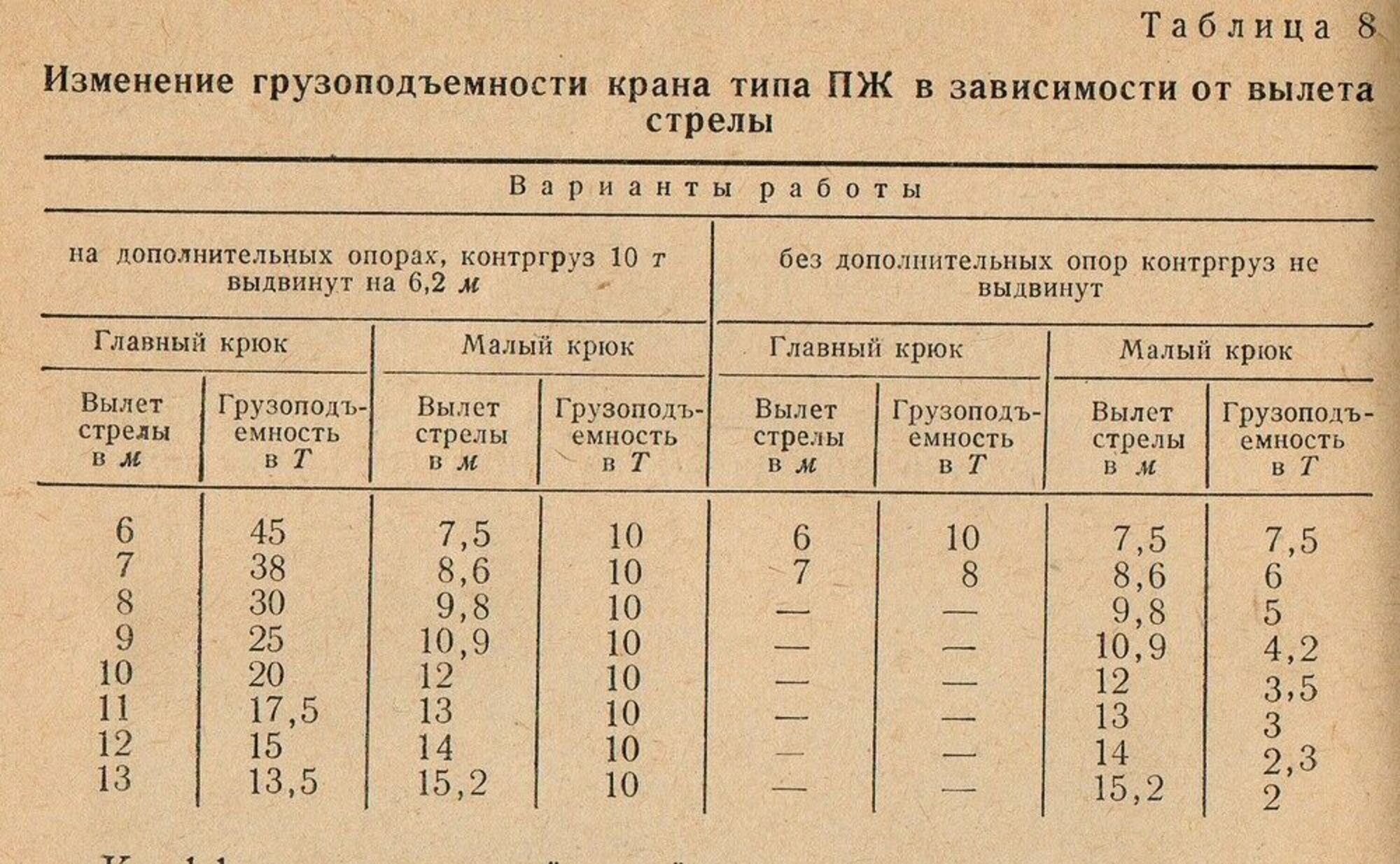
Minimum boom reach, m
6.0
Maximum boom reach, m
13.0
Maximum lifting capacity at minimum boom reach on main hook, with counterweight and extendable supports, t
45.0
Maximum lifting capacity at minimum boom reach on small hook, with counterweight and extendable supports, t
10
Lifting speed of small hook with 10 t load, m/min, not less than
12
Lifting speed of main hook with 45 t load, m/min, not less than
3
Distance between bogie axles, mm
4,600
Speed ​​of following in train, km/h
60 and minimum curve radius of 275 m
Total weight of crane in working condition, t
102
Drive type
Diesel engine, mechanical
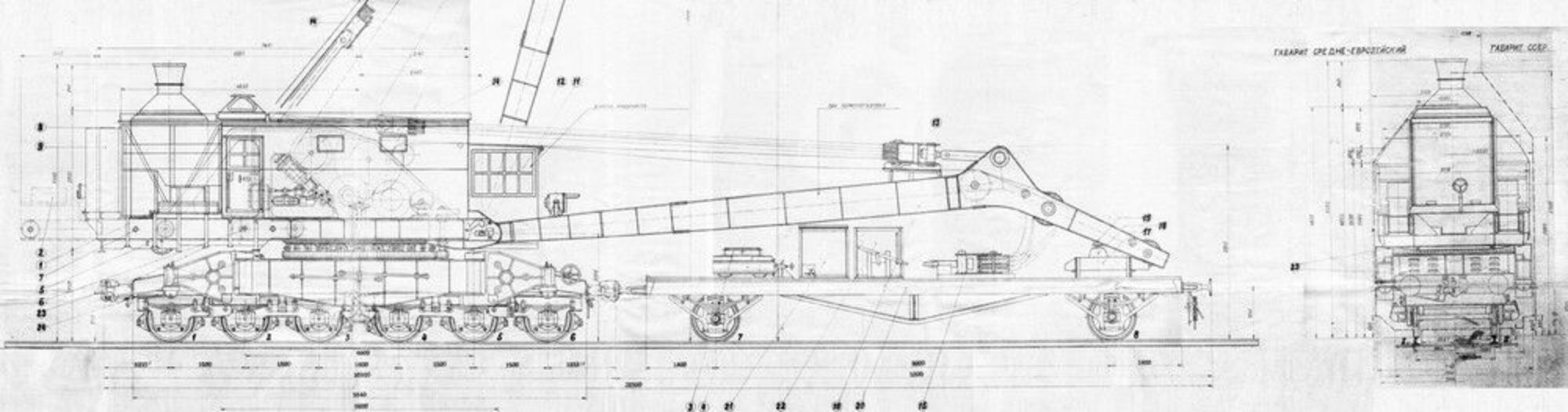
Length of crane frame along automatic coupling axes, mm
10,310
Length of boom from fixing axis, mm
13 800
Maximum crane width, mm
3 100

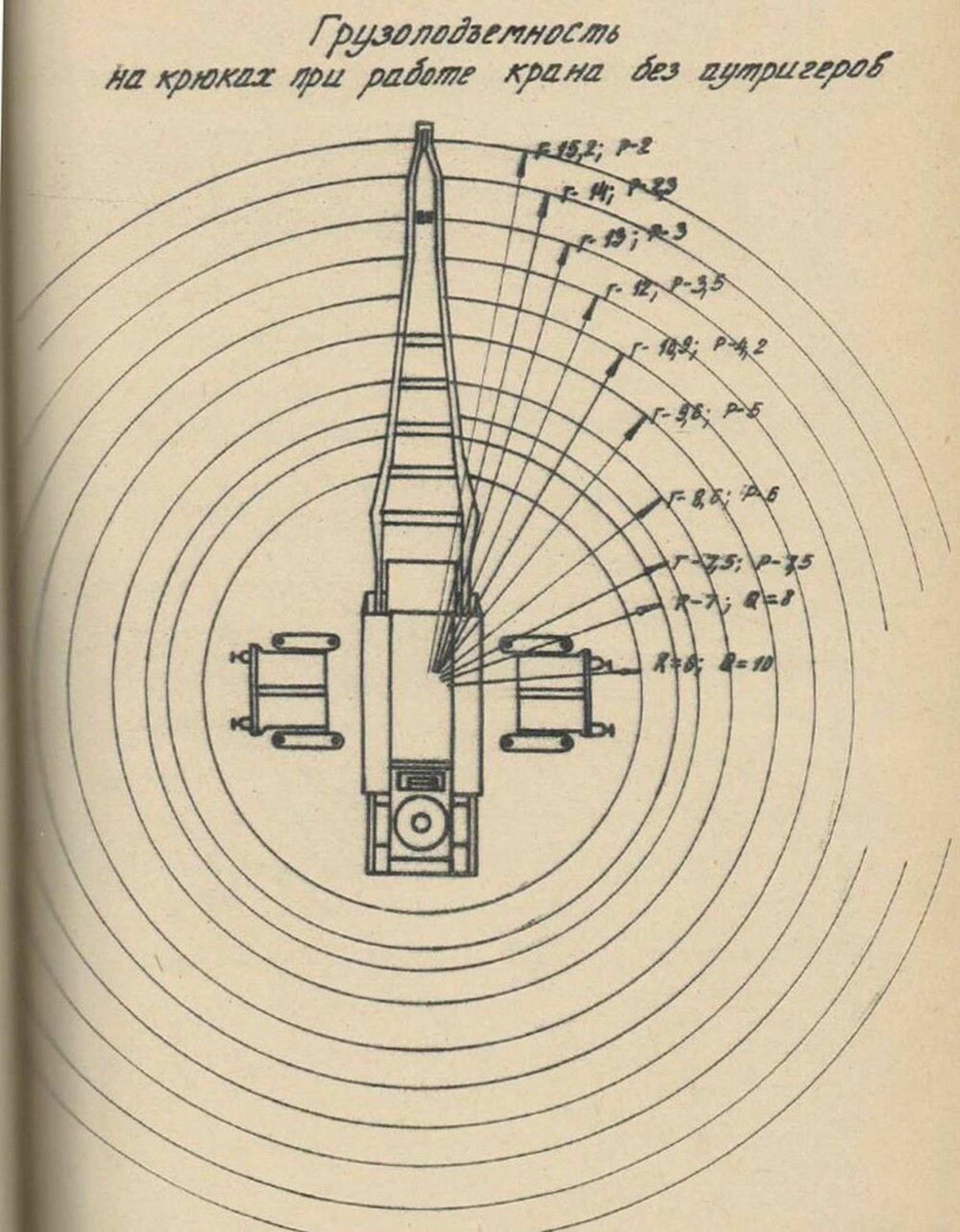
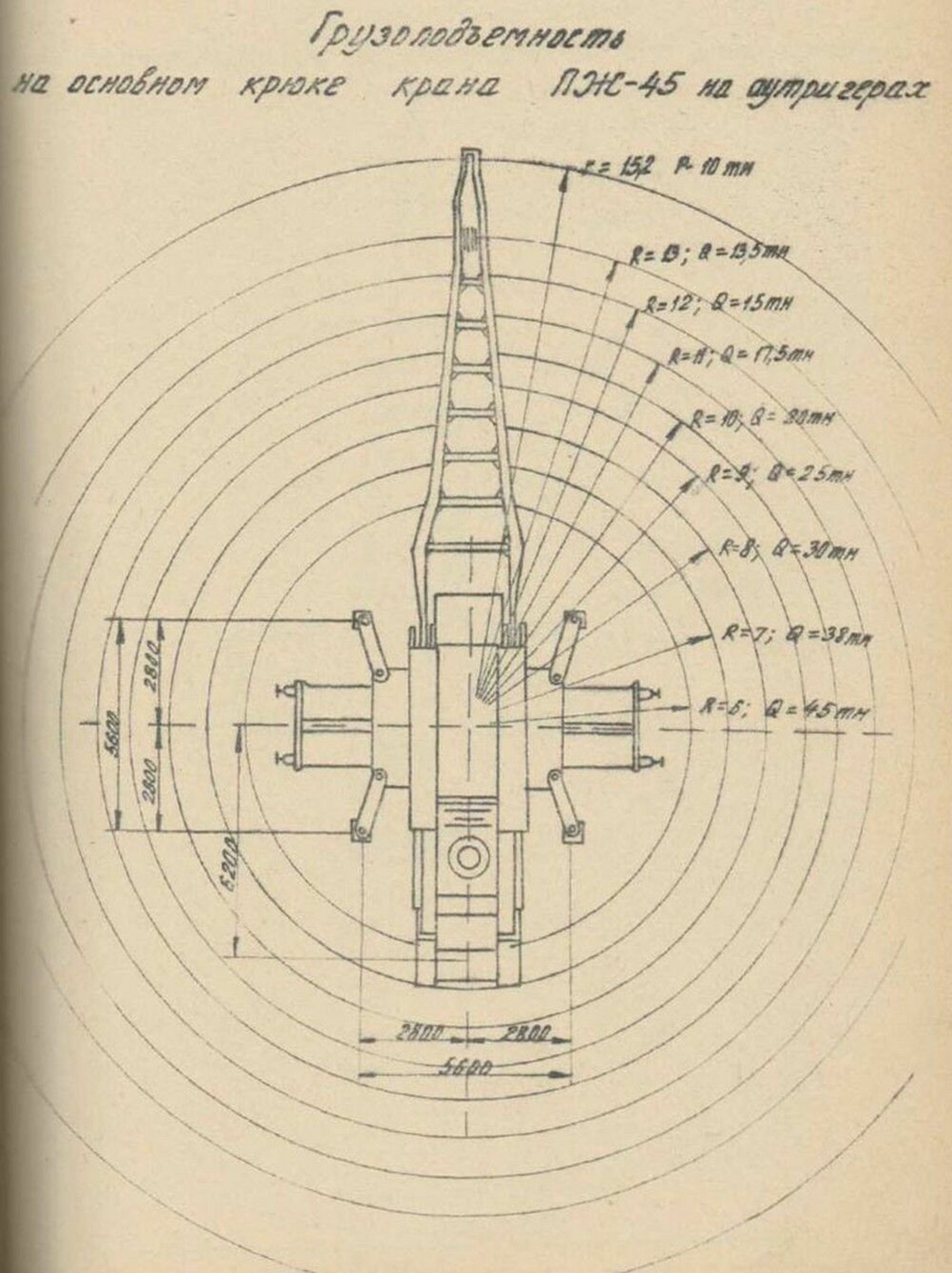
Drawings
and diagrams

History

Chronology

  1. 1947 The prototype of the 45-ton steam crane was built in 1947. Since 1948, their production began at the Wilhelm Pieck Carriage and Machine Building Plant in the city of Győr in Hungary. At different times, the plant had other names. In particular, the Hungarian Carriage and Machine Building Plant Raba named after Bánki László.
  2. 1953 The railway crane DZ45-170 was built by this plant in 1953. This is a typical crane for recovery trains from the 1960s to 1990s.
  3. 1996 Crane DZh45-170 was delivered to the museum from recovery train No. 3021 (Khovrino station) of the October Railway in 1996.