Today the museum is closed

Map

Exhibit description

Second-Class Commuter Car No. 2109

The growing popularity of country houses, which also extended to the privileged classes of society, led to the need for the creation of higher-comfort cars designed for suburban travel.

The second-class commuter cars were more spacious than the third-class ones, had semi-soft seats and one toilet for 39 passengers.

In 1912, such cars were developed and classified as second class. They were somewhat more spacious than the third-class commuter cars built at the same time, featuring semi-soft seats and one toilet for 39 passengers, as opposed to 69.

Operation

These cars were built at the plants of the Joint-Stock Company of the Russo-Baltic Wagon Factory in Riga and Tver until 1918. During the Civil War, a number of cars were converted into cinema coaches, and the partitions of the middle vestibule were removed.

During the Civil War, a number of cars were converted into cinema coaches, with the partitions of the middle vestibule removed for the purpose.

The car was brought to the museum from Track Laying Machine Station No. 86 (Mga) of the Oktyabrskaya Railway.

Parameters

Technical
specifications

Factory until 1915
Russo-Baltic, Riga
Factory since 1916
Tver Carriage Works
Years of issue
1912–1918
Customer
State railways
Type of wagon
II class
Number of axles
4
Length of the car by buffers, mm
23 190
Length of the car along the frame, mm
23,000
External body width, mm
3 140
Distance between bogie pins, mm
15,770
Height from floor level to top of roof, mm
2,945
Heating
Water
Lighting
Candle, electric
Spring suspension
Double, Fette cart
Number of seats
18
Ventilation
Nature with deflectors on the roof

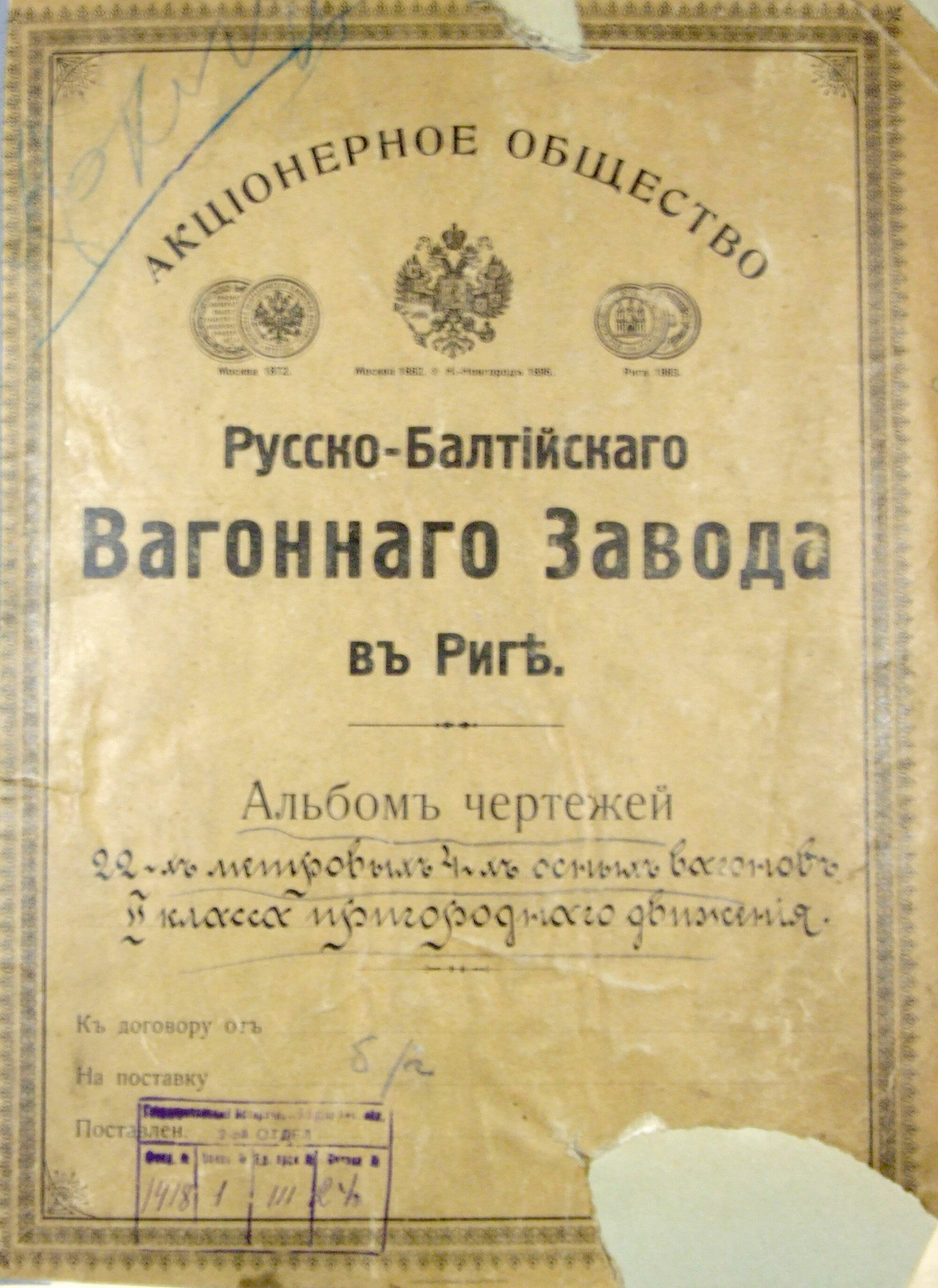
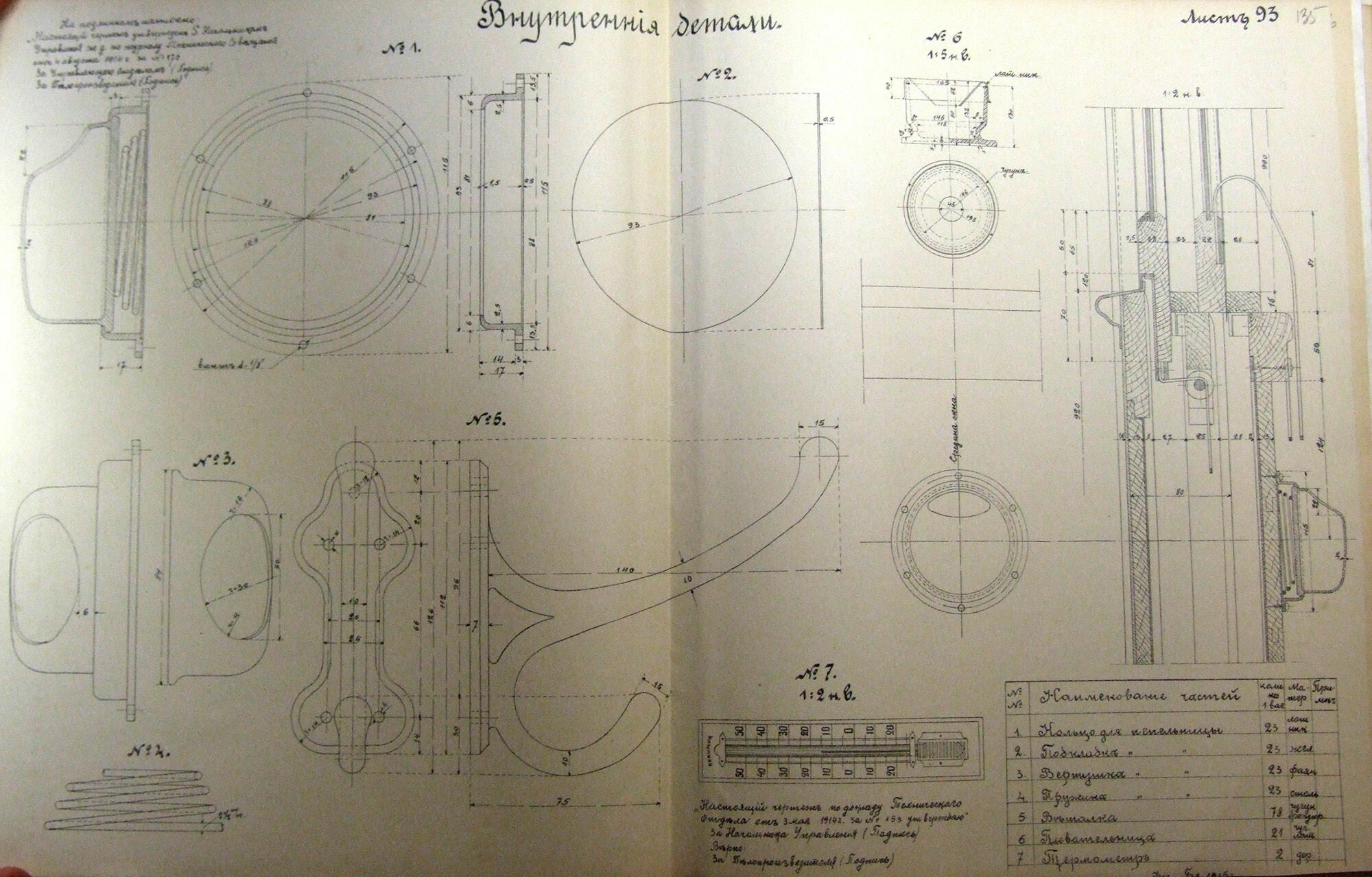
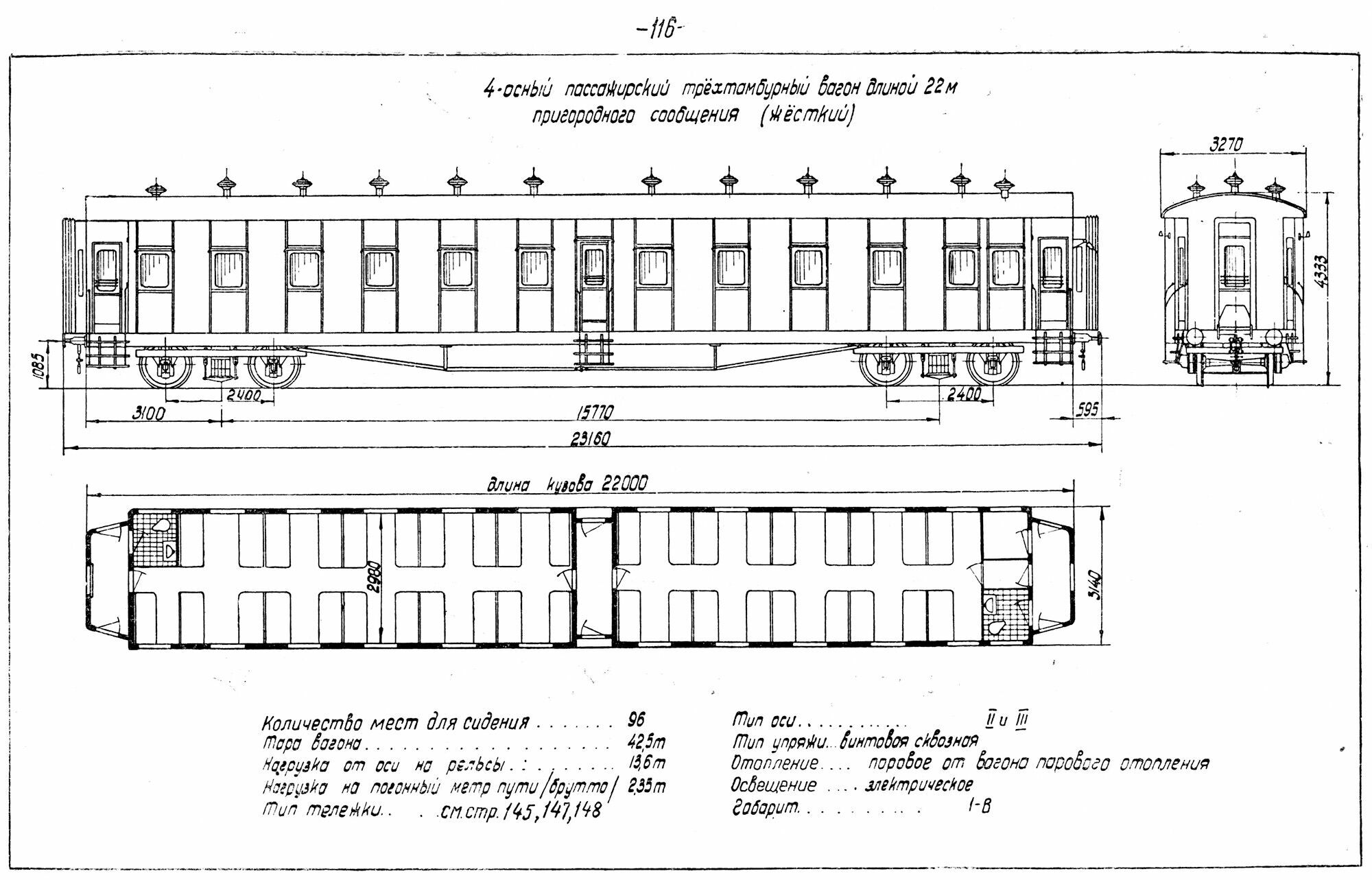
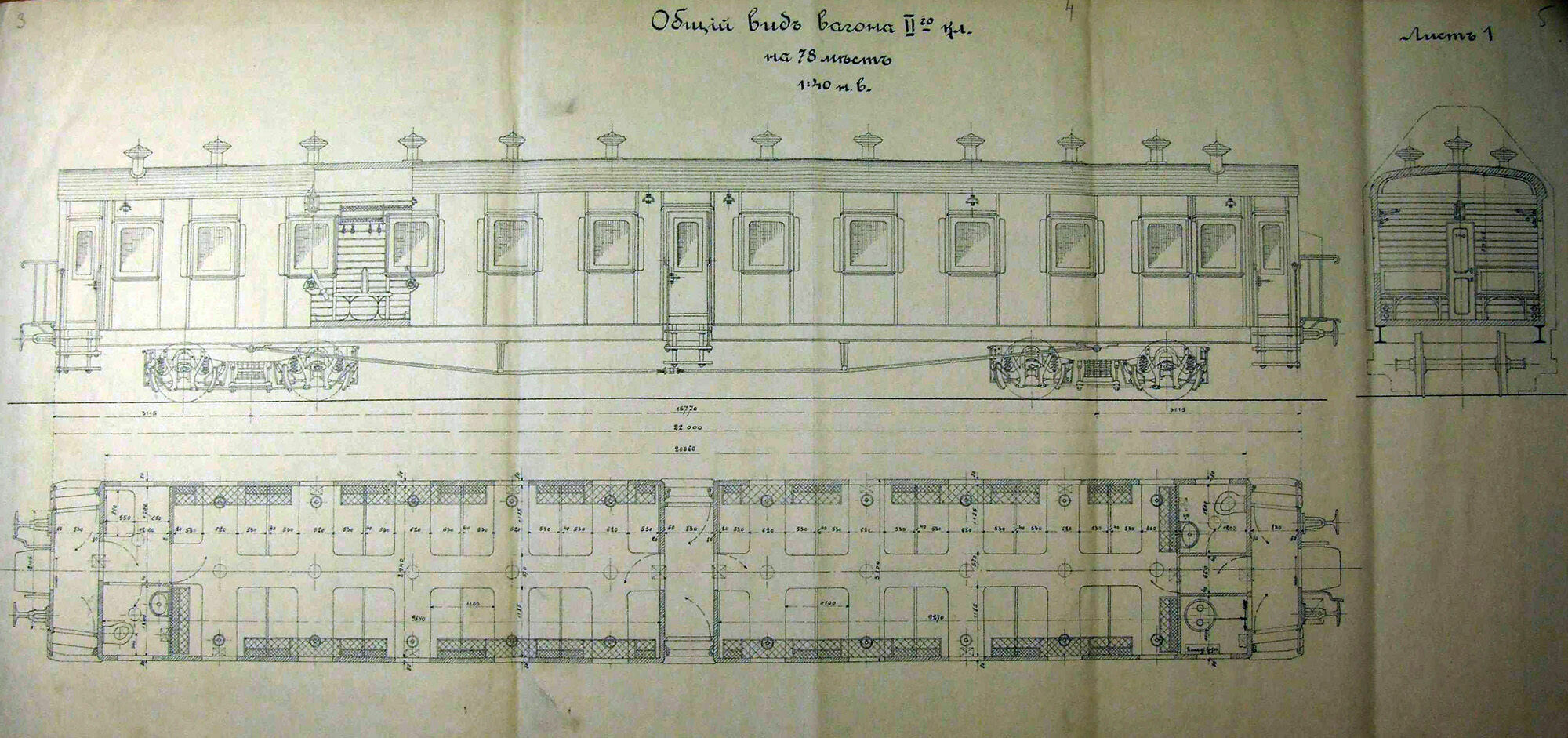
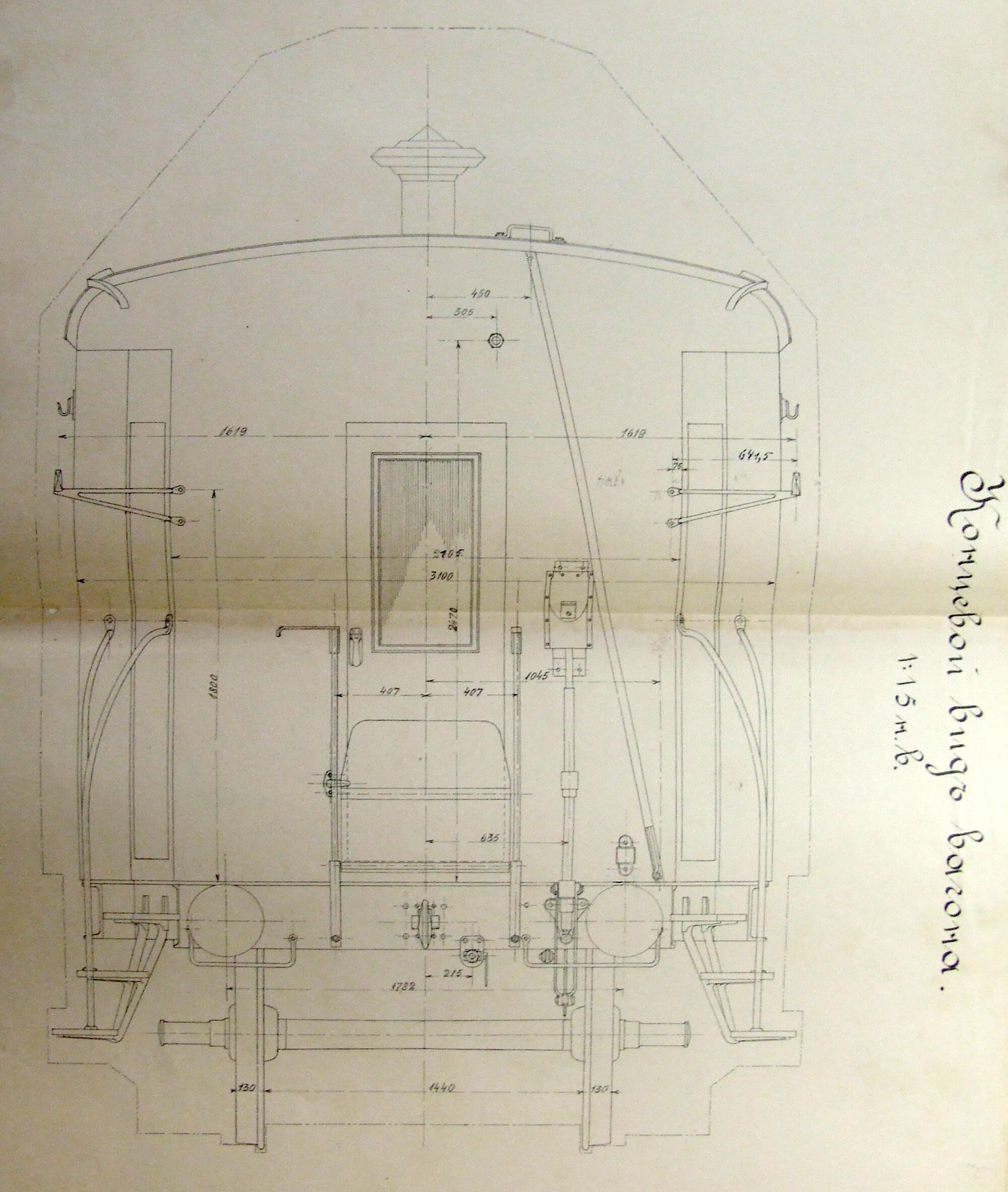
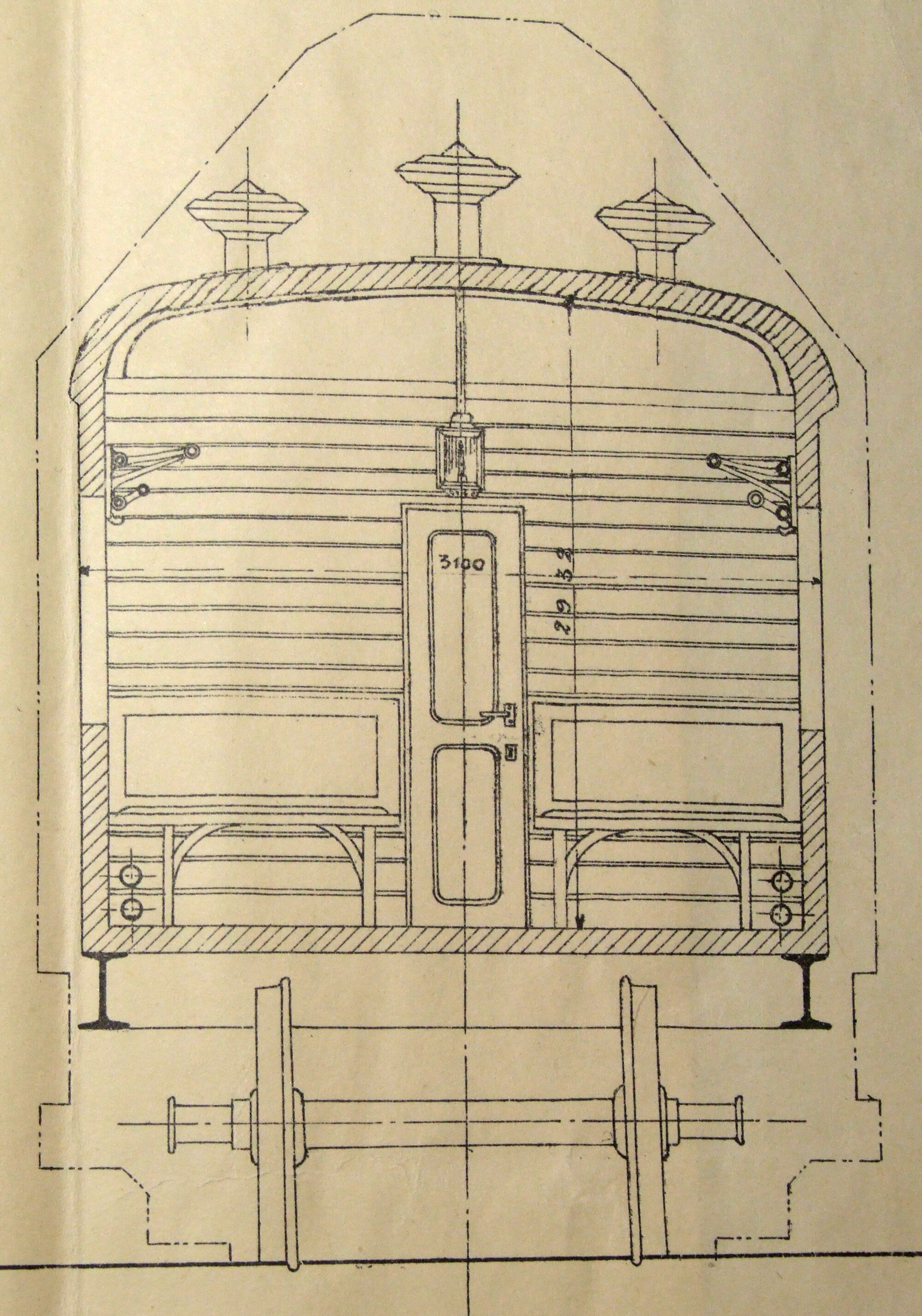
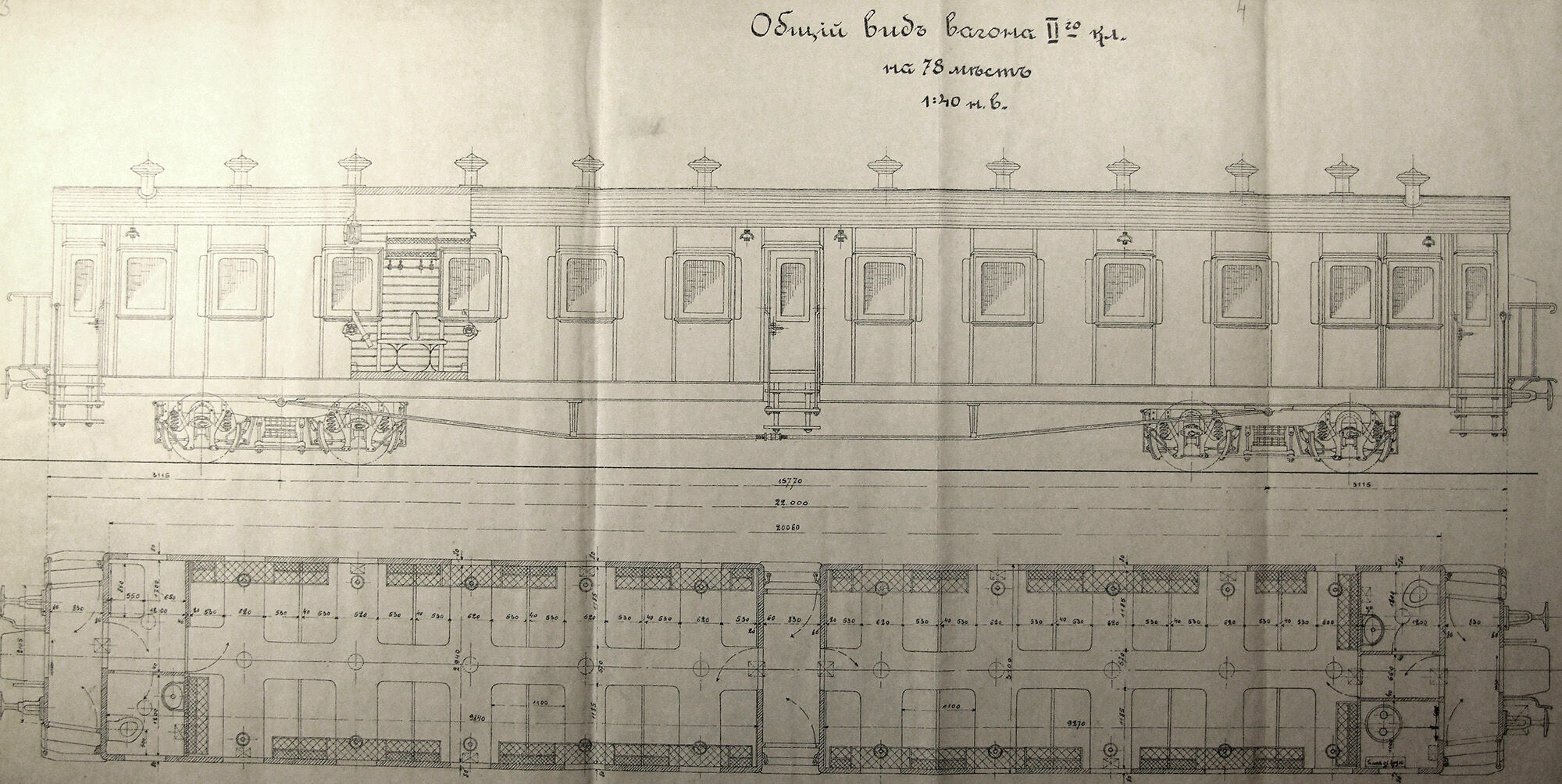
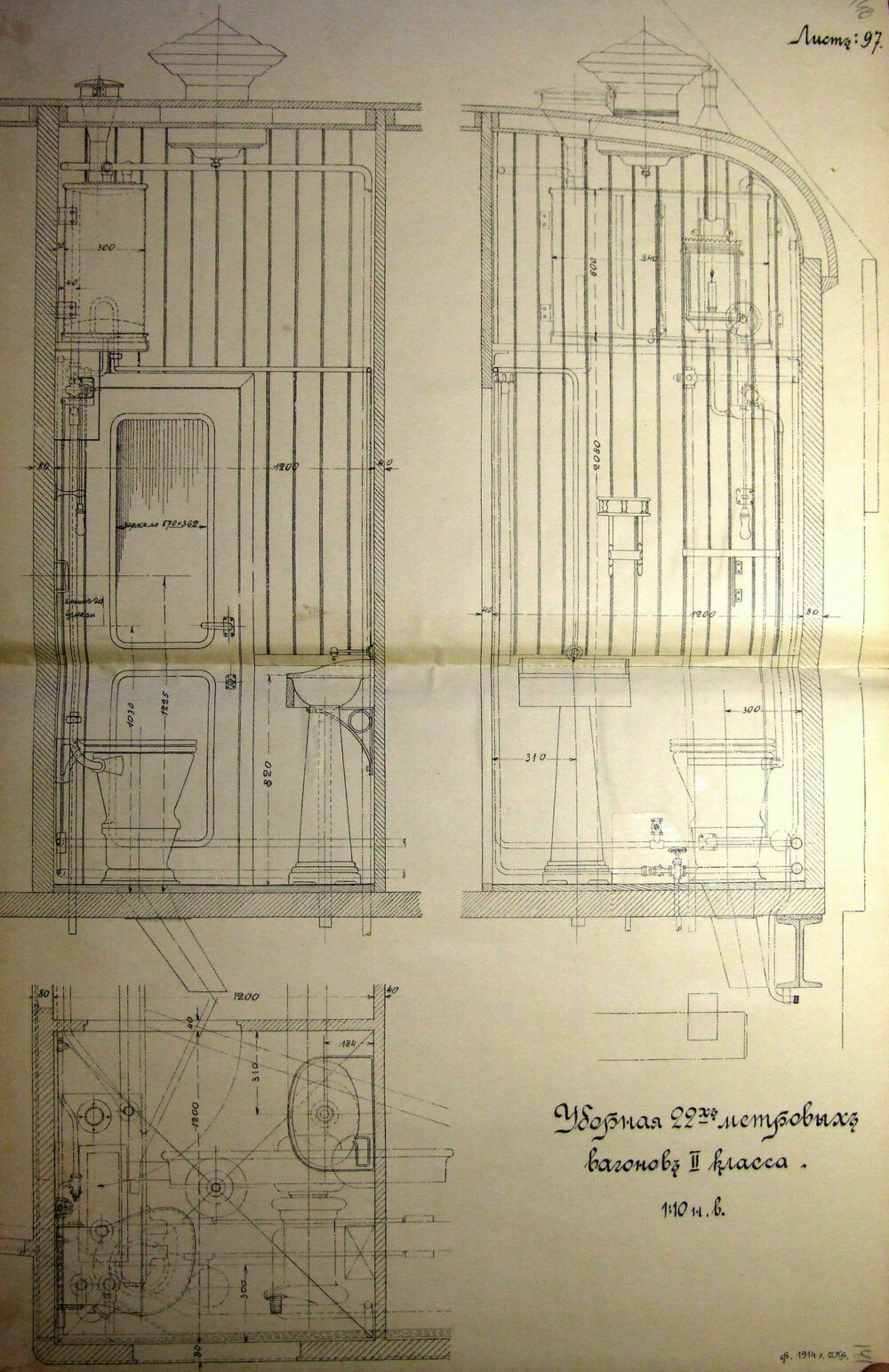
Drawings
and diagrams

History

Chronology

  1. 1912 The Russo-Baltic Wagon Factory in Riga, which specialized primarily in the construction of passenger cars, develops a 22-metre car.
  2. 1912–1918 The cars are manufactured in Riga and Tver.
  3. 1992 The car is brought to the museum from Track Laying Machine Station No. 86 (Mga) of the Oktyabrskaya Railway.
  4. 2011–2012 The body is reconstructed.
  5. 2017 The interior is reconstructed.