Today the museum is closed

Map

Exhibit description

Passenger Steam Locomotive S 68

In the late 1900s, the Ministry of Railways pushed for an increase in the speed and weight of passenger trains. In 1907, the construction of steam locomotives with a 2-3-0 wheel arrangement began, including both four-cylinder (class U, starting in 1912) and two-cylinder locomotives with steam superheating (class B from 1912), although these locomotives offered advantages primarily in oil heating.

However, during this period, internal combustion engines were becoming more widely used, driving up the demand and prices for oil. This, in turn, led to the replacement of oil with coal — often of lower quality — used to heat steam boilers, including those of locomotives. The use of lower-calorific fuel necessitated an increase in the firebox grate area, but the existing passenger steam locomotives could not be easily modernised to accommodate this change.

The 1-3-1 wheel arrangement used in the class S locomotives had not previously been used in Russia.

Since Professor N.L. Shchukin believed that the new locomotive should be an evolution of the type 1-3-0 locomotives (the class N, introduced in 1912), and the enlarged firebox and larger grate area required additional support, the decision was made to choose between the 1-3-2 and 1-3-1 wheel arrangements. However, calculations showed that the hypothetical type 1-3-2 locomotives would have had a base too wide, necessitating the replacement of the existing turntables. As a result, the Railway Administration of the Ministry of Railways ordered the development of a steam locomotive with the 1-3-1 wheel arrangement, which had not previously been used in Russia.

Mass Production

On 30th June 1909, the Rolling Stock and Traction Commission, chaired by Professor N.L. Shchukin, approved a proposal by S.I. Mikhin, Director of the Sormovo Joint-Stock Company Plant, to build five type 1-3-1 locomotives featuring a simple engine and steam superheating, and validated their basic specifications.

Although the Sormovo Plant had no prior experience in designing original types of steam locomotives, its locomotive engineering bureau, led by Engineer Bronislav Malakhovsky, submitted detailed project drawings for review by the Rolling Stock and Traction Commission in January 1910. By the end of that year, the Sormovo Joint-Stock Company Plant had completed the construction of the first five locomotives. The first locomotive was tested on 13th December 1910.

The class S steam locomotives were produced by four plants — Sormovo, Nevsky, Kharkiv, and Luhansk — over nine years (1910–1919). In total, just under 700 vehicles were built. In 1912, when a unified system for series designations was introduced on Russian railways, the type 1-3-1 steam locomotives were assigned the class S designation in honour of the plant that developed them. However, numbering remained unchanged for each railway, resulting in duplicates, triplicates, and even quadruplicates of locomotives sharing the same designation.

In total, just under 700 class S machines were produced.

This also led to confusion regarding the S 68 steam locomotive. During production, several design modifications were introduced; the locomotives already built were retrofitted with more advanced equipment. For example, the superheaters were replaced. However, the quality of the later batches, produced during World War I, declined compared to pre-war models.

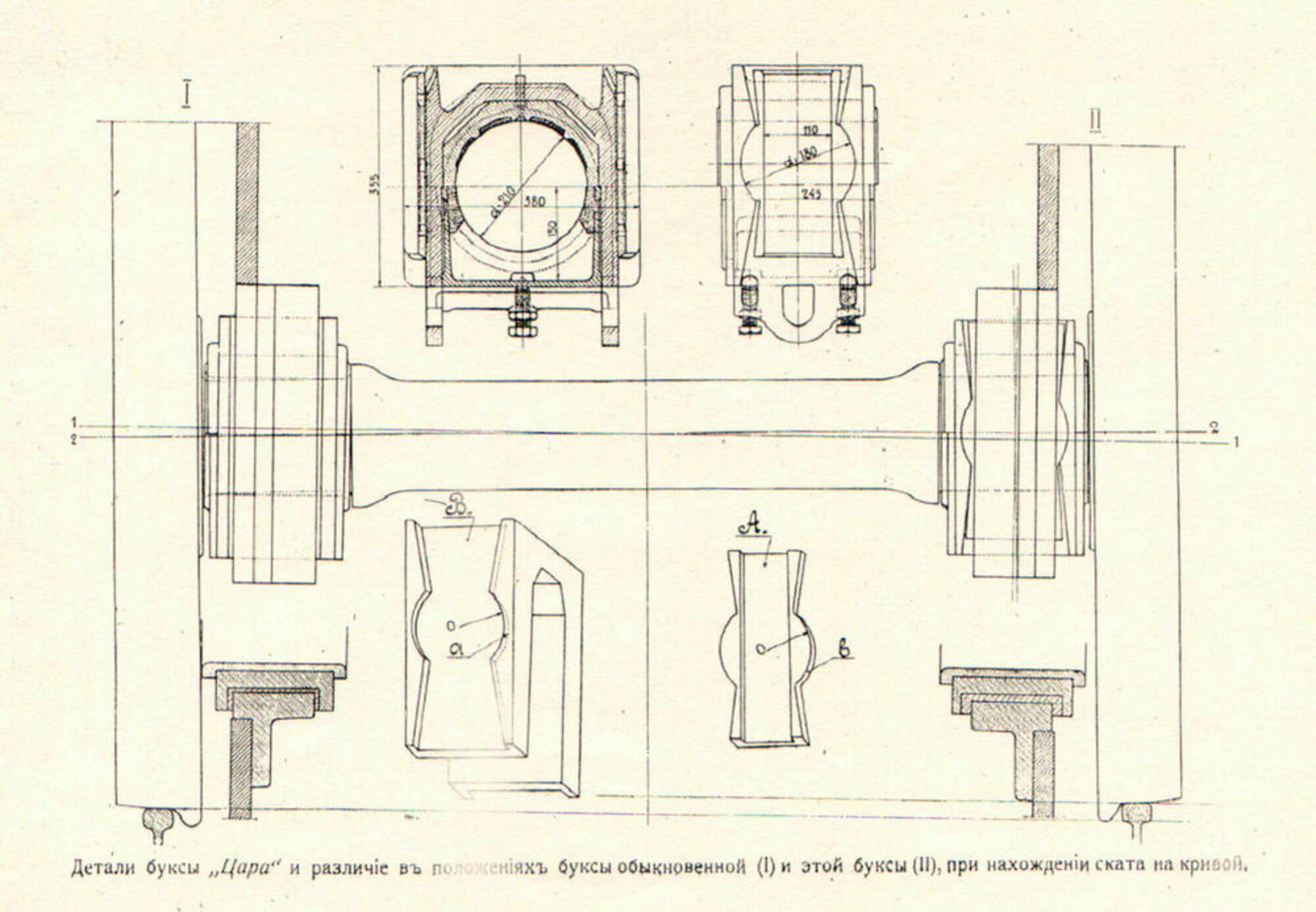
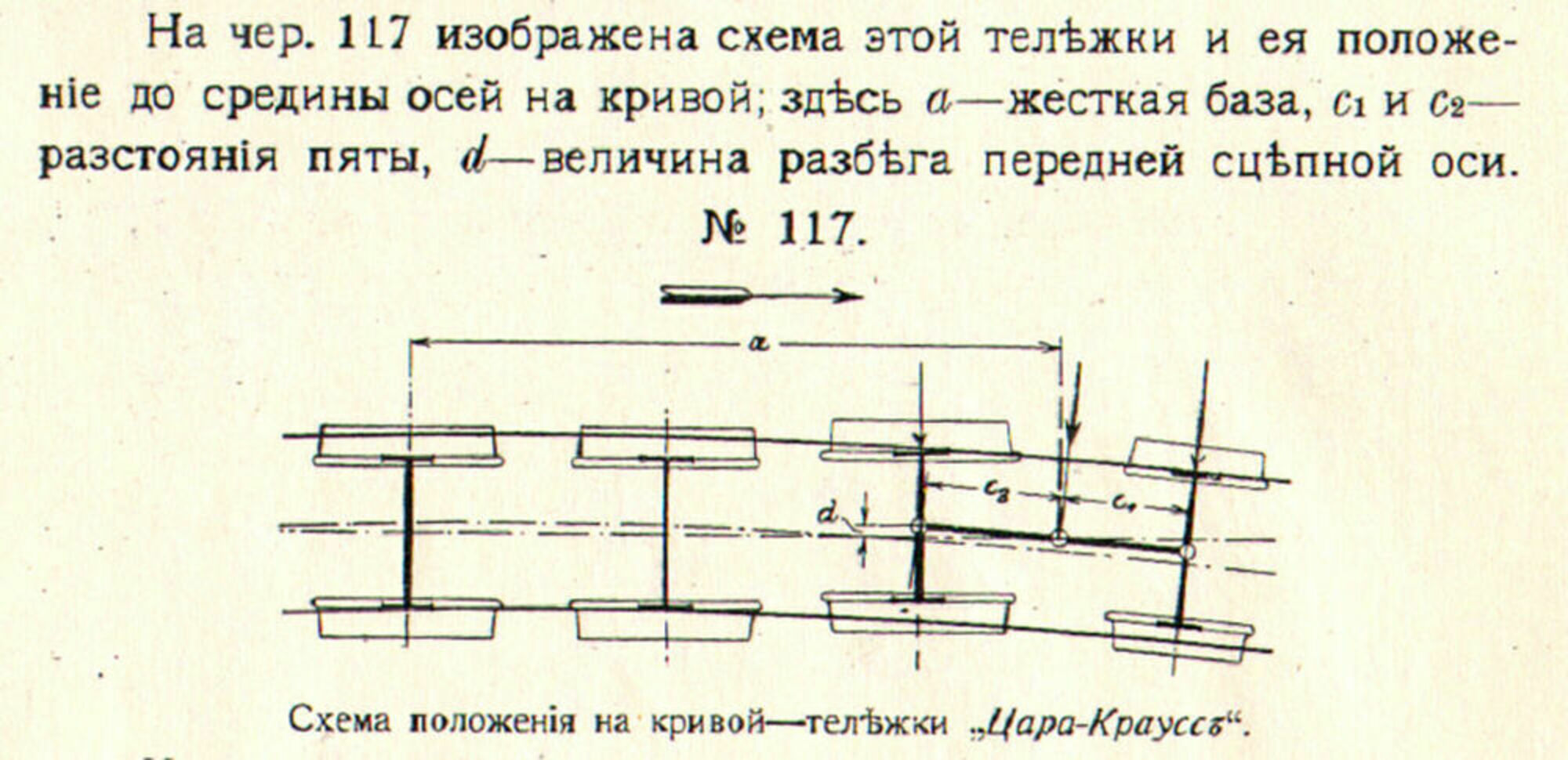
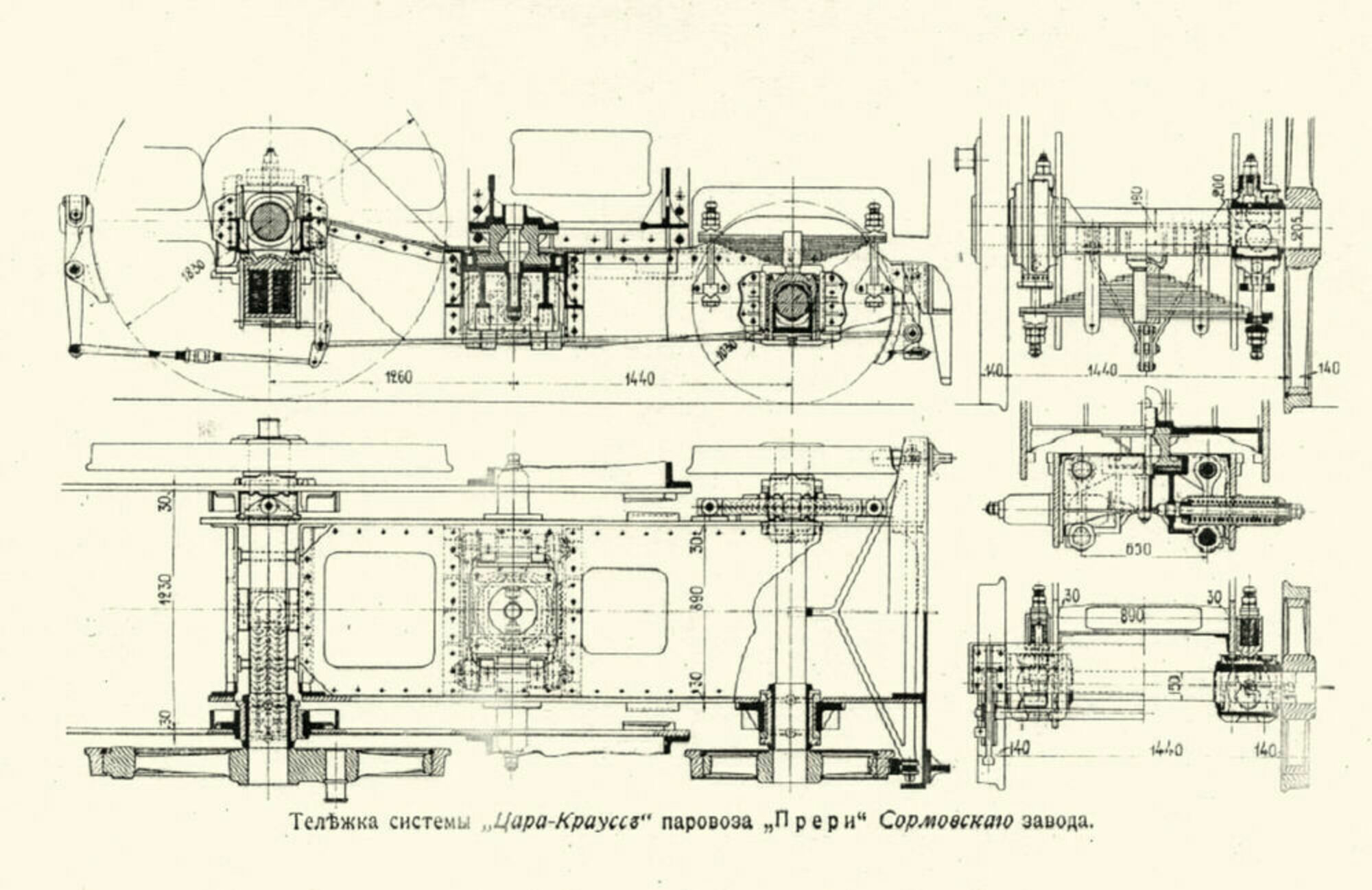
Key innovations of the class S included the 1-3-1 wheel arrangement, a wide firebox extending beyond the frame and wheels, rotating axle box trims, and a Zara two-valve regulator. The two-valve regulator soon became a standard feature in steam locomotive production.

The development of the class S steam locomotives ultimately led to the SV and SU models, which, despite their similar designations, are often considered separate classes.

Museum Exhibit

The locomotive with serial number 2289 was built by the Nevsky Shipbuilding and Mechanical Plant in the summer of 1917 for the Nikolaevskaya Railway, but instead sent to the Northern Railways. It subsequently operated on the Leningrad and Oktyabrskaya Railways. In 1960, it was transferred from the Oktyabrskaya Railway fleet to a Moscow reinforced concrete plant, where it was repurposed as a boiler plant, while the driving and steam distribution mechanisms were dismantled.

In the 1970s, railway enthusiasts discovered it and mistakenly identified it as the S 68 steam locomotive, built by the Nevsky Shipbuilding and Mechanical Plant in 1913 for the North-Western Railways (serial number 1992). Efforts were taken to preserve the locomotive, which at that time was the last surviving example of this class.

Since the uniqueness of the steam locomotive was not a compelling argument for the officials, a “revolutionary” backstory was created: it was claimed that this locomotive hauled the Soviet government from Tver to Moscow during its evacuation from Petrograd on 11th March 1918. As a result, it was misrepresented as the S 245, built by the Sormovo Plant in 1915 for the Nikolaevskaya Railway.

The uniqueness of the locomotive was not a compelling argument for the officials in the matter of its preservation, so a “revolutionary” backstory biography was created for the S 68.

In 1982, the Ministry of Railways ordered the restoration of this locomotive, which was done in 1982–1983 by the Khovrino Locomotive Depot of the Oktyabrskaya Railway (Moscow). During the repair, tender Shch 3006 was attached to the locomotive. The restored steam locomotive remained at the Khovrino Depot until 1991 when it was moved to one of the pavilions of the Railway Research Institute of JSC Russian Railways test loop at the Shcherbinka Station. In 1992, following cosmetic repairs, it was displayed in Shcherbinka at the Railway Worker’s Day exhibition.

Parameters

Technical
specifications

Cylinder diameter, mm
550
Piston stroke, mm
700
Outer diameter of drive wheels on the rolling circumference, mm
1 830
Outer diameter of support wheels — front, mm
1 030
Outer diameter of support rear wheels, mm
1 200
Thickness of bandages, mm
65
Inner diameter of the cylindrical part of the boiler, mm
1600–1568
Sheet thickness of boiler plates, mm
16
Thickness of all walls of the copper fire box, except for the tubular wall, mm
16
Thickness of copper tube wall at the top, mm
26
Thickness of copper tube wall at the bottom, mm
16
Thickness of the smoke box tube grille, mm
25
Thickness of the top and side plates of the firebox casing, mm
15
Frontal plate thickness, mm
16
Height of boiler axis above the rails, mm
3 050
Actual steam pressure in the boiler, atm.
13
Number of smoke tubes, units
170
Number of flame tubes, units
24
Length between grids, mm
5 150
Diameter of smoke tubes, mm
46/51
Diameter of flame tubes, mm
125/133
Diameter of superheating steam pipes, mm
27/34
Superheater heating surface flushed with steam, m2
51,52
Total heating surface washed with water, m2
207,2
Full heating surface
with superheater, m2
258,72
Grate surface area, m2
3,8
The whole steam locomotive in empty condition with coal heating approx., tonnes
67,5
The whole steam locomotive is laden with about, tonnes
75,3
Pressure from coupling axles on rails approx., tf
15,7
Pressure from the front support axle approx., tf
13,0
The pressure from the rear support axle is approx., tf
15,3
Traction force of a steam locomotive
at a coupling coefficient of 1/6, kg
7,833
Grip plate thickness, mm
18
Heating surface, washable with water, firebox, m2
15,4
Heating surface, washable with water, chimney pipes, m2
140,27
Heating surface, washable with water, “flame” pipes, m2
51,53

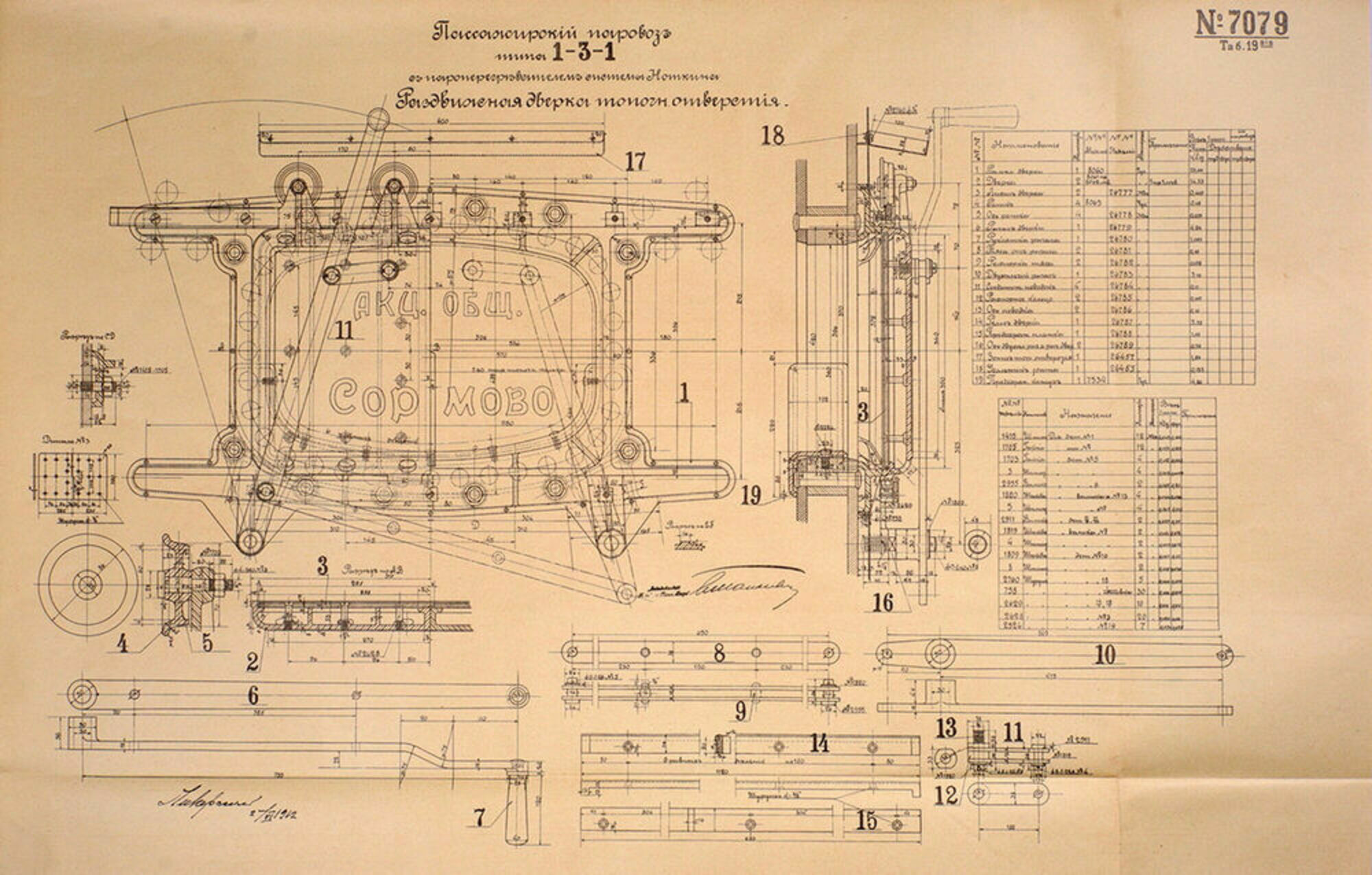
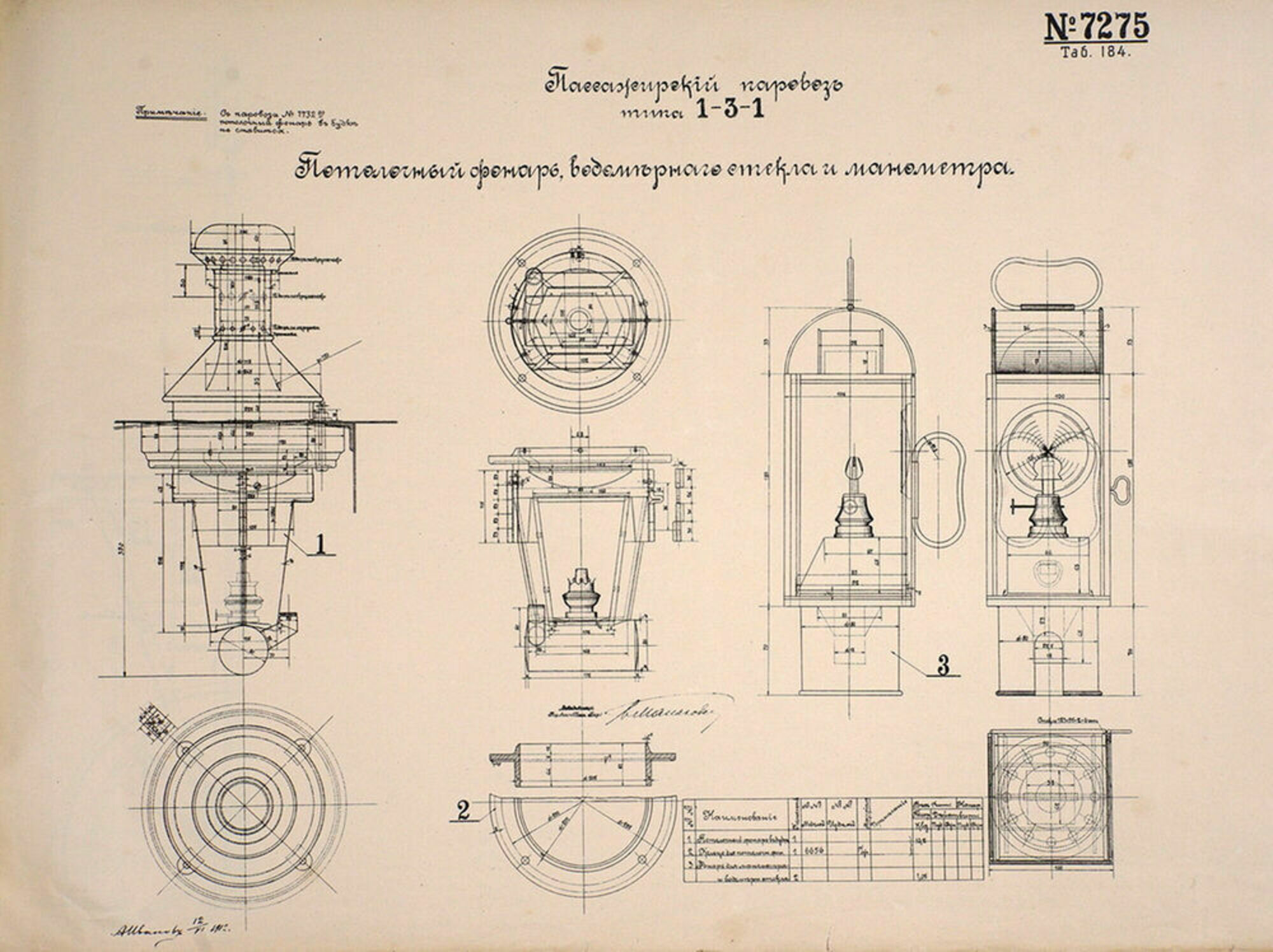
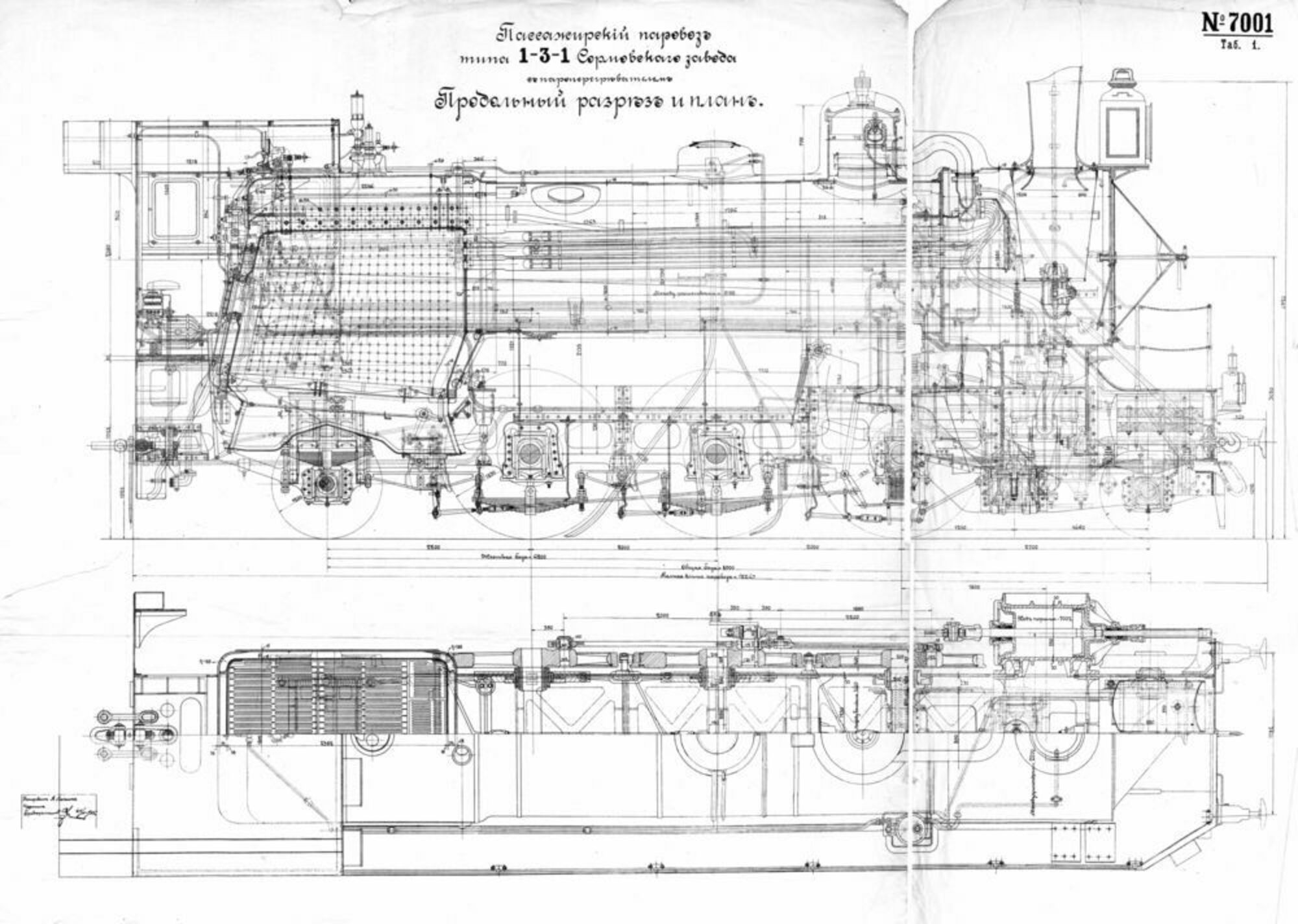
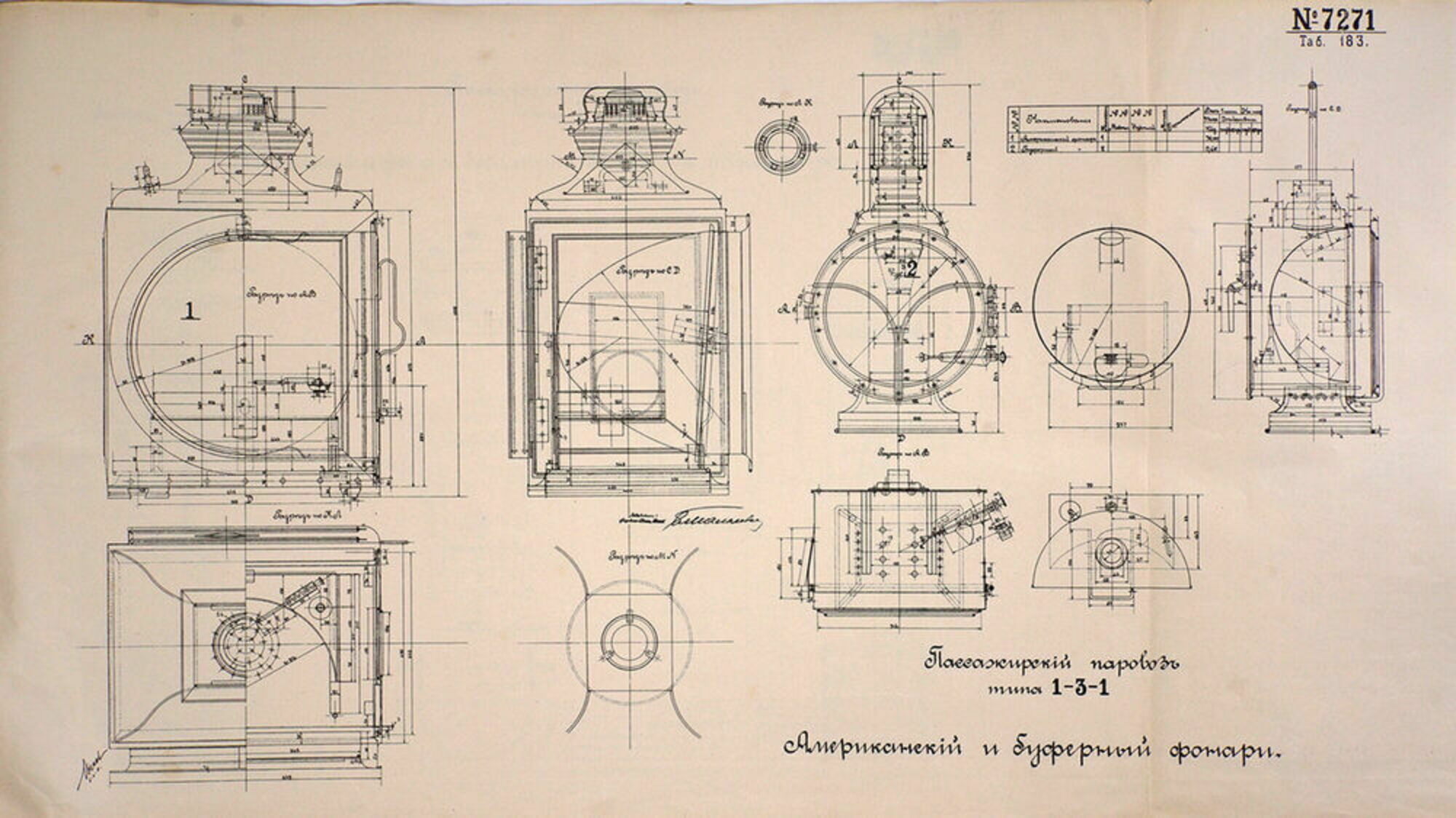
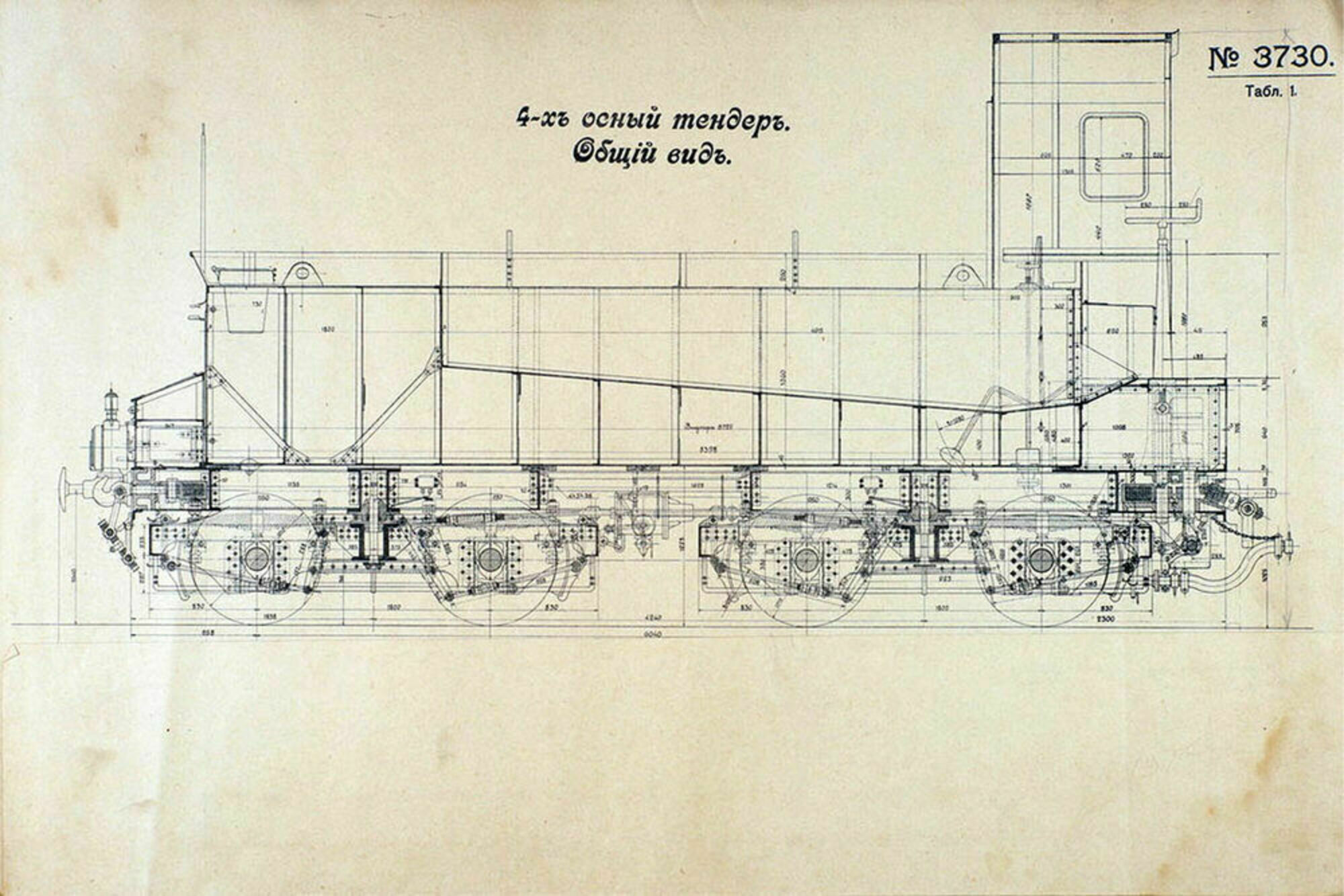
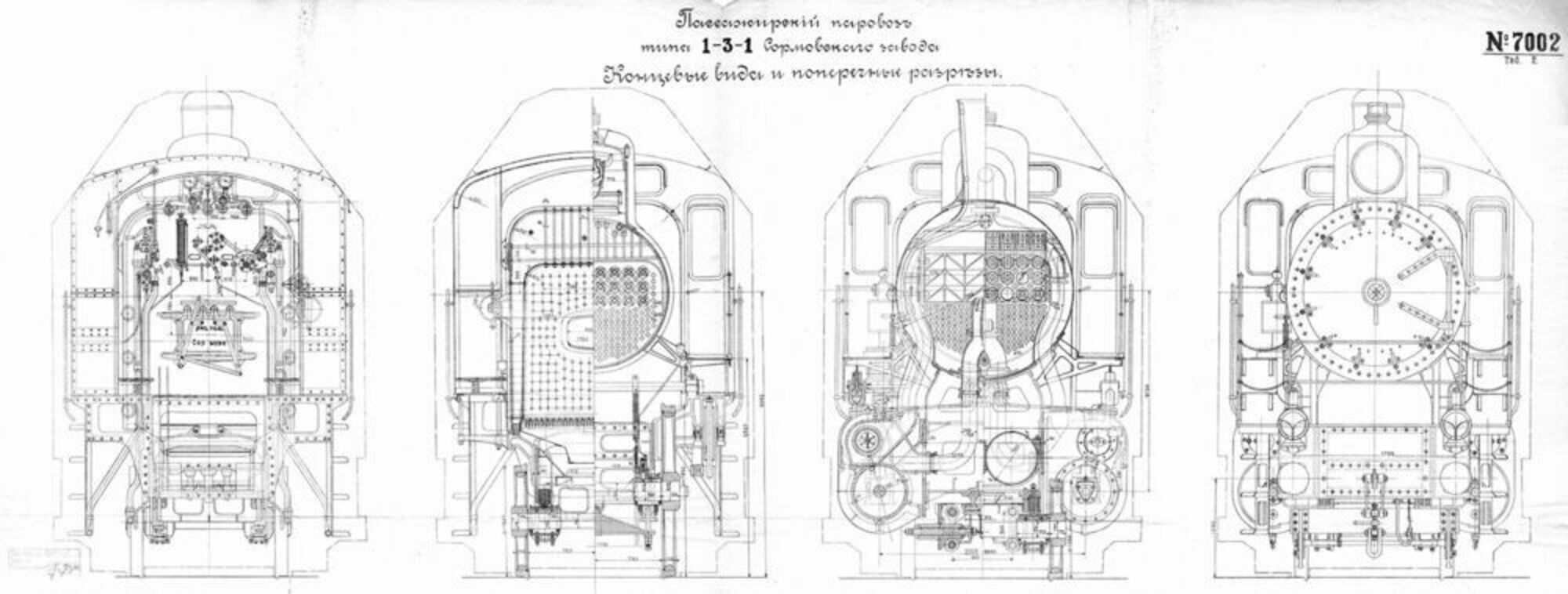
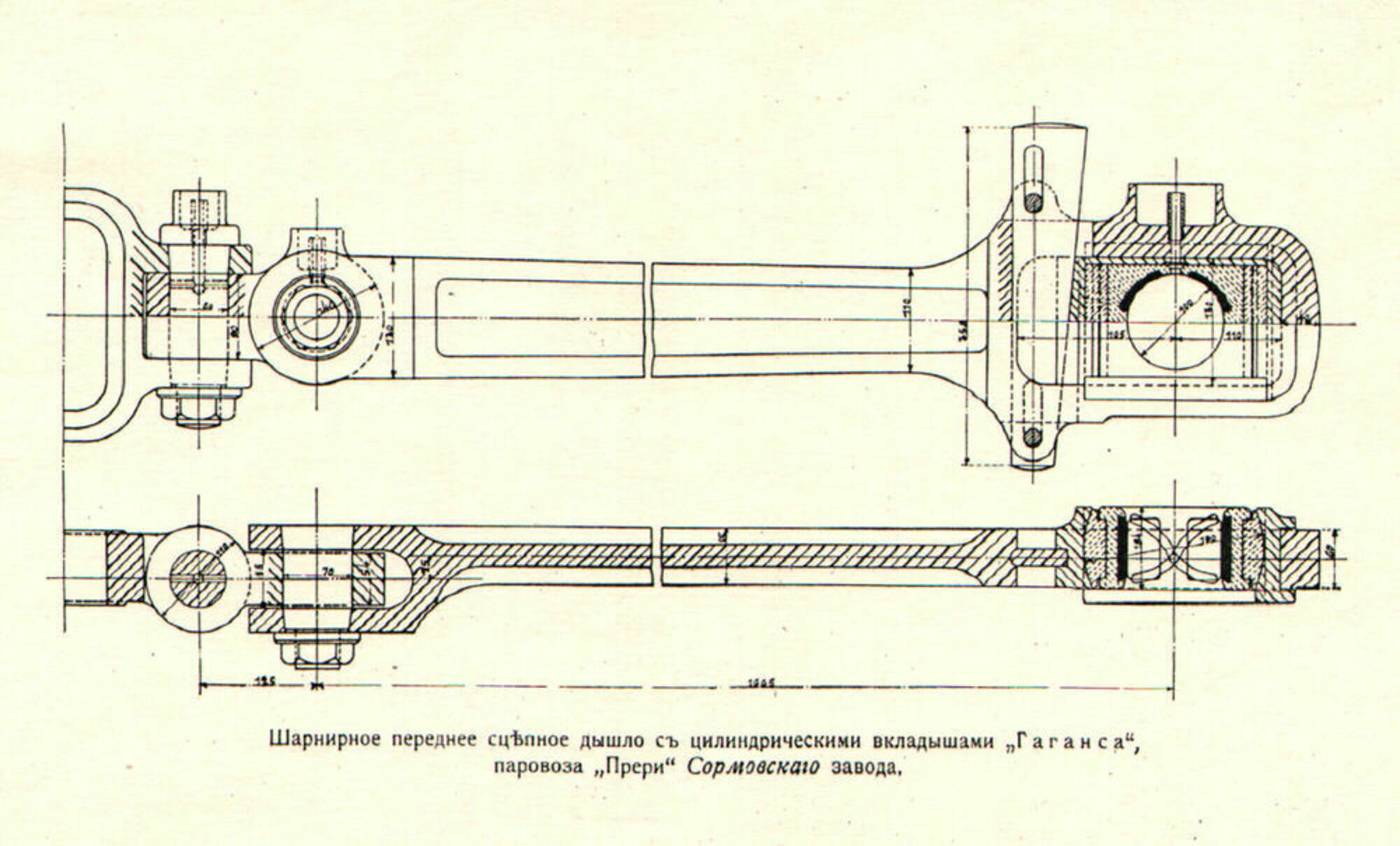
Drawings
and diagrams

History

Chronology

  1. 1909 The director of the Sormovo Plant, S.I. Mikhin, proposes building passenger steam locomotives with a 1-3-1 wheel arrangement, which had not previously been used in Russia.
  2. 1910 The Sormovo Plant builds five class S locomotives.
  3. 13th December 1910 Testing of the first class S locomotive begins.
  4. 1910–1919 The class S steam locomotives are produced by four steam locomotive plants (Sormovo, Nevsky, Kharkiv, and Luhansk).
  5. 1917 The Nevsky Shipbuilding and Mechanical Plant builds a steam locomotive with serial number 2289, which later becomes a museum exhibit.
  6. 1960 The steam locomotive is transferred to a Moscow reinforced concrete plant, where it is used as a boiler plant.
  7. 1982–1983 The locomotive is restored by the Khovrino Locomotive Depot of the Oktyabrskaya Railway.
  8. 1992 After cosmetic repairs, the locomotive is displayed in Shcherbinka at the Railway Worker’s Day exhibition.
  9. 1997 The steam locomotive is transferred to the museum from the test loop of the Railway Research Institute of JSC Russian Railways at the Shcherbinka Station.
  10. 2001 When the new museum exhibition is created, the locomotive is given back its historical designation S 68.