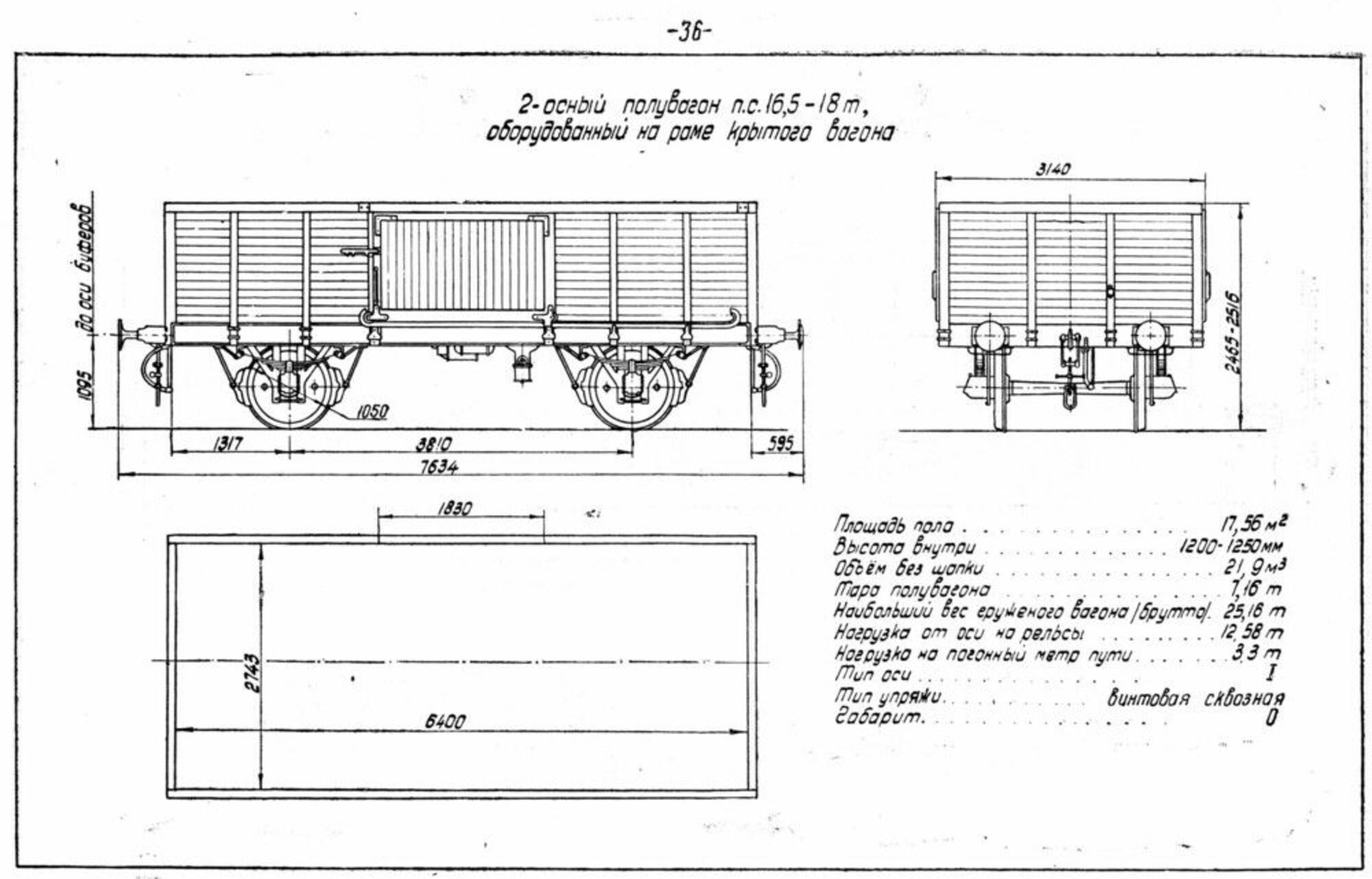
Open wagons or gondola cars are used to transport bulk cargo that is not afraid of precipitation.
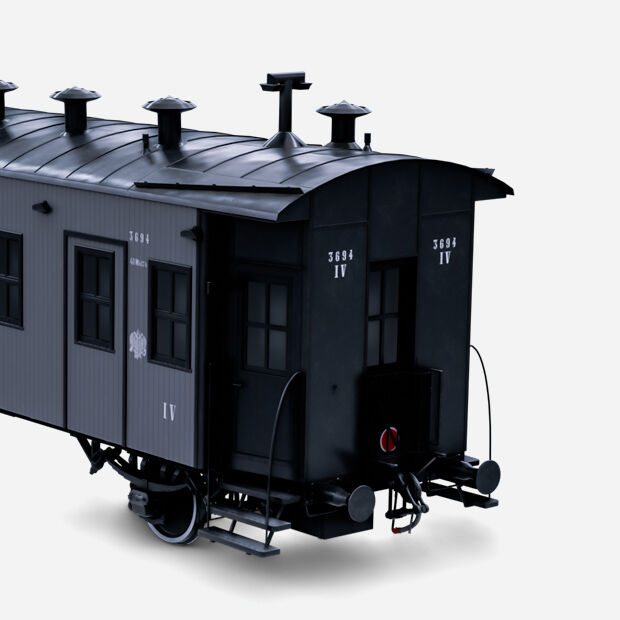
In pre-revolutionary times, the fleet of gondola cars was small and varied compared to the fleet of covered wagons. These were mainly two-axle gondola cars with a wooden body and doors in the middle of the car. Loading and unloading of cargo by human power took place through these doors: with shovels or on wheelbarrows.
The "normality" consisted in the fact that they had standard door opening dimensions, area and volume of the body. They had standard suspension parts, wheel pairs, traction and harness devices and even all metal parts: door rollers, gussets, squares and the like. They were manufactured by all factories in the Russian Empire. All cars had devices for installing bunks and a stove, which allowed them to be used for military and human transportation. The cars were designed to carry 40 people or 8 horses.
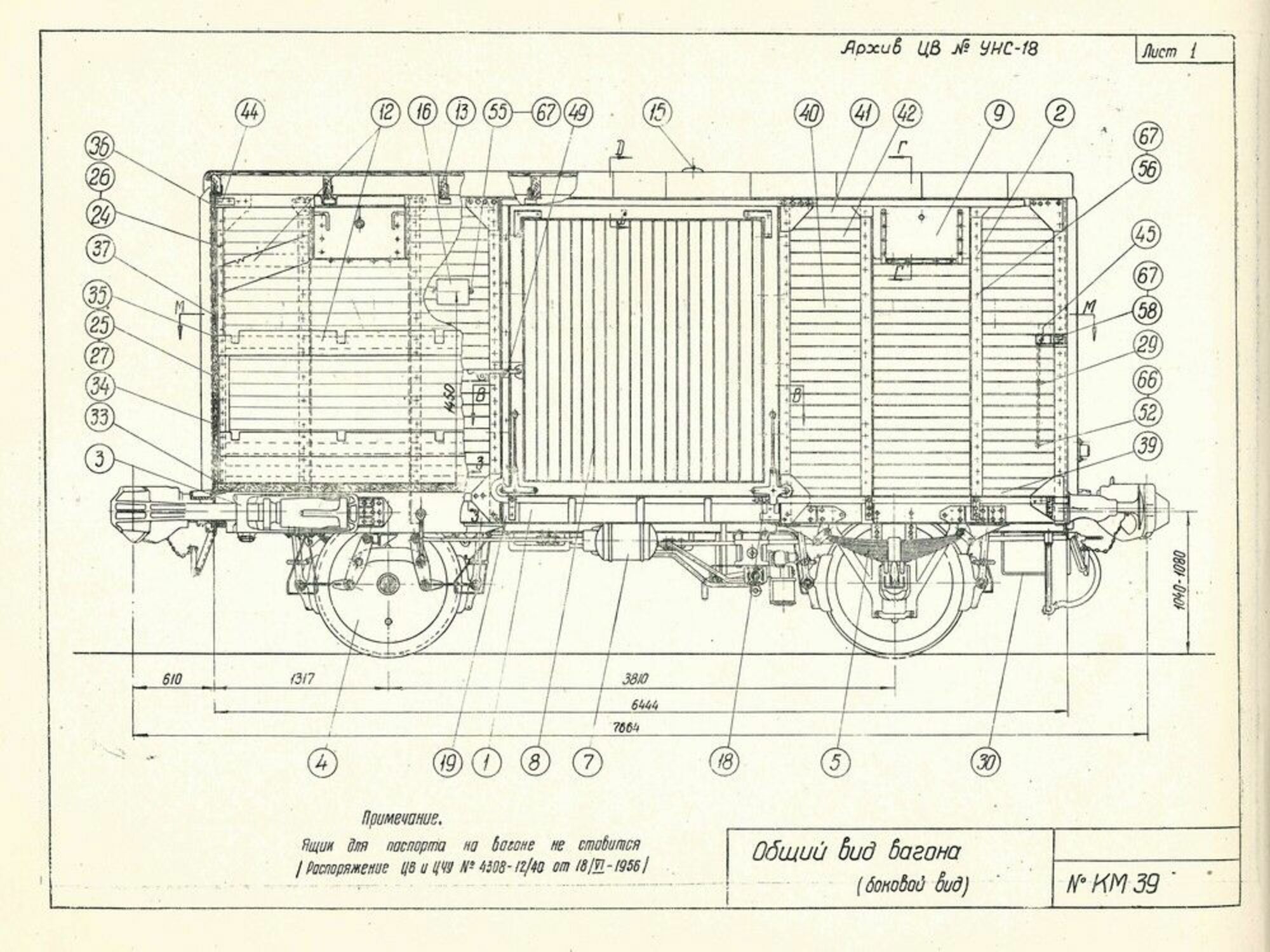
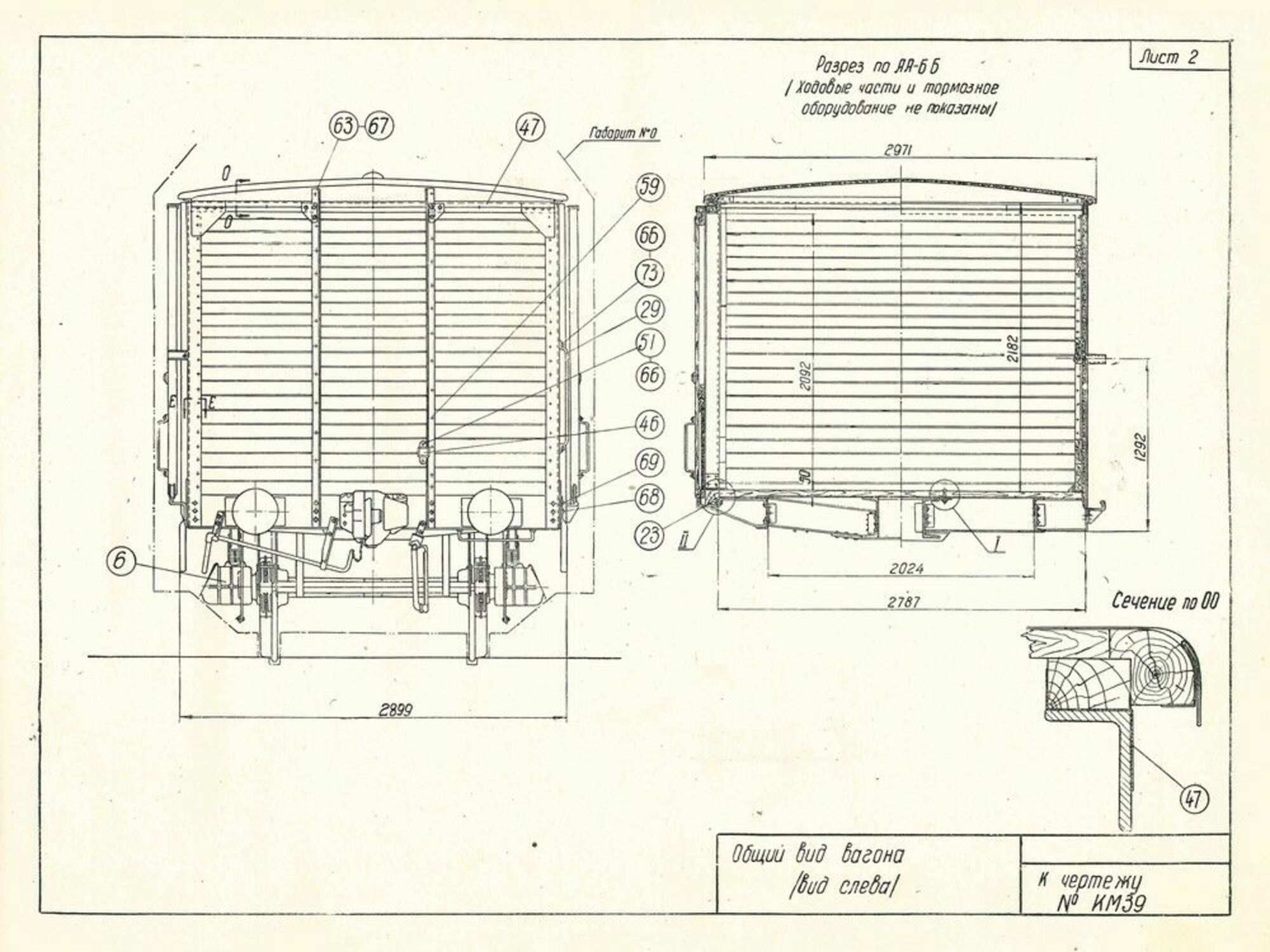
This simplified their handling and operation throughout the entire railway network. Initially, these two-axle cars had a load capacity of 750 poods. Gradually, it was increased first to 900, and then to 1,000 poods by strengthening the crew and traction devices. The car frame was wood and metal, the body was solid wood, the roof was covered with roofing iron.
In the post-revolutionary period, the running gear of the car was reinforced again, due to which the load capacity increased to 16.5-18 tons. The cars were equipped with a Matrosov pneumatic brake, but the car frame did not allow the installation of an automatic coupling.
For business purposes, gondola cars were made from NTV covered cars by cutting off the upper part of the car body. Hence the name - "Cut".