Today the museum is open from 10:00 to 18:00

Map

Exhibit description

Refrigerator Van for Transporting Siberian Butter № 847 025

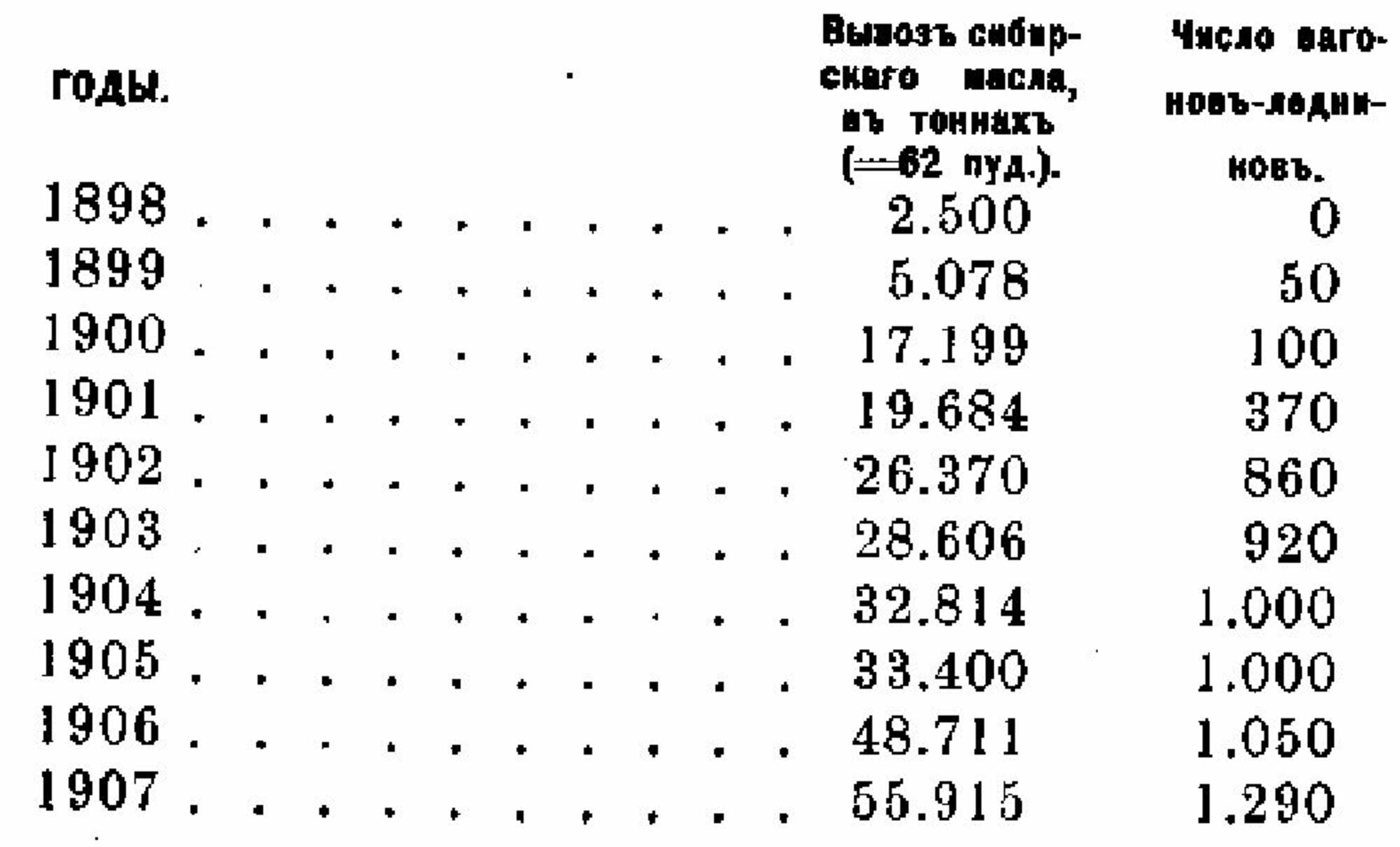
The construction of the Trans-Siberian Railway led to the development of agriculture and the food industry in Siberia. The opportunity to bring fresh Siberian butter to the European part of Russia and to the Baltic ports by rail created a surge in demand for it in Russia and abroad, known as the “butter boom”. Thousands of butter factories were built in Siberia, and hundreds of new cars known as refrigerator vans transported their products. The World War I, which began in 1914, destroyed this trade, but the refrigerator vans were sought-after for supplying the army in the field.

The emergence of the Trans-Siberian Railway led to the development of agriculture and the food industry in Siberia. Thousands of butter factories were built, and their products were transported to the European part of Russia.

Isothermic Car

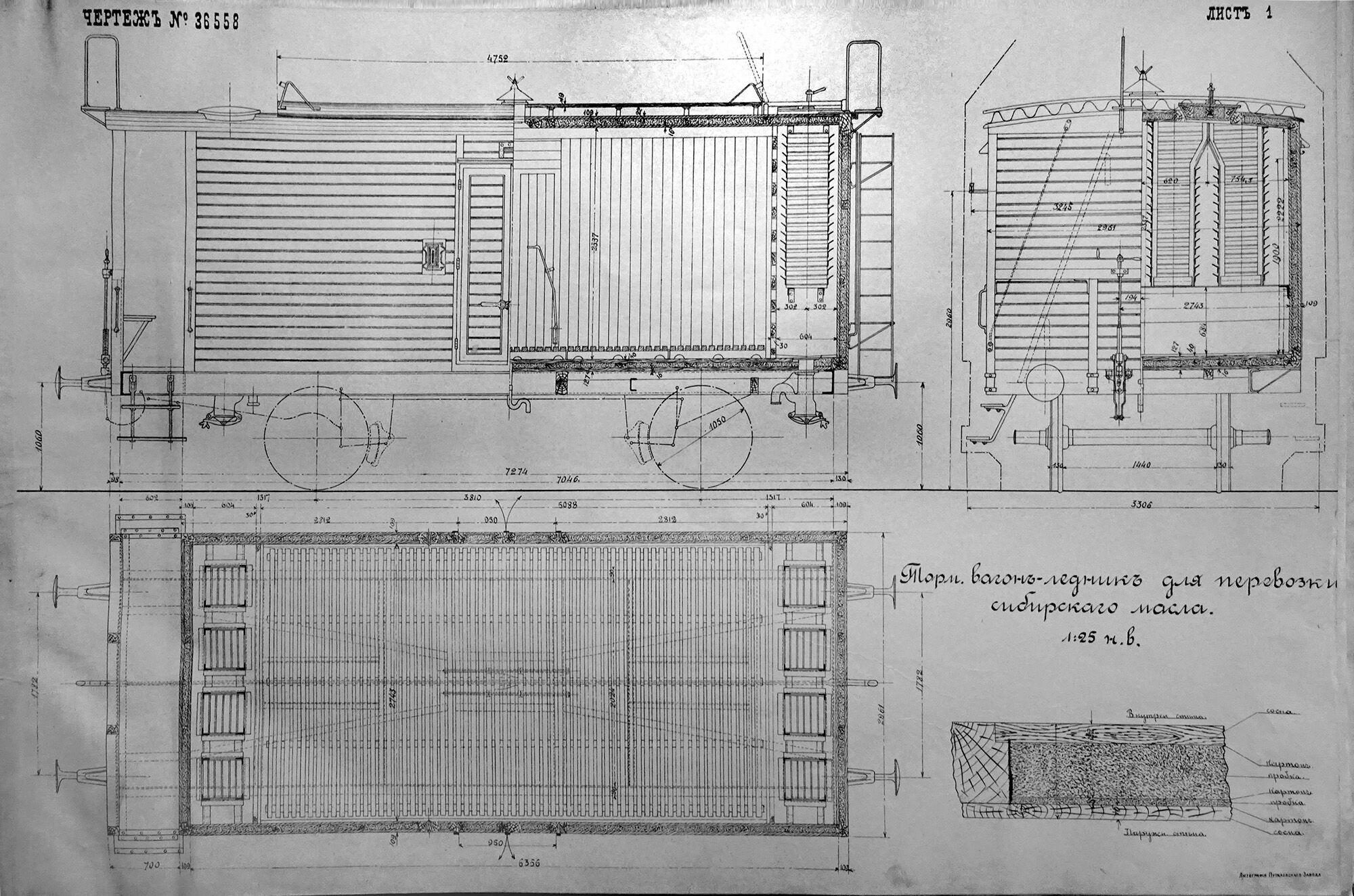
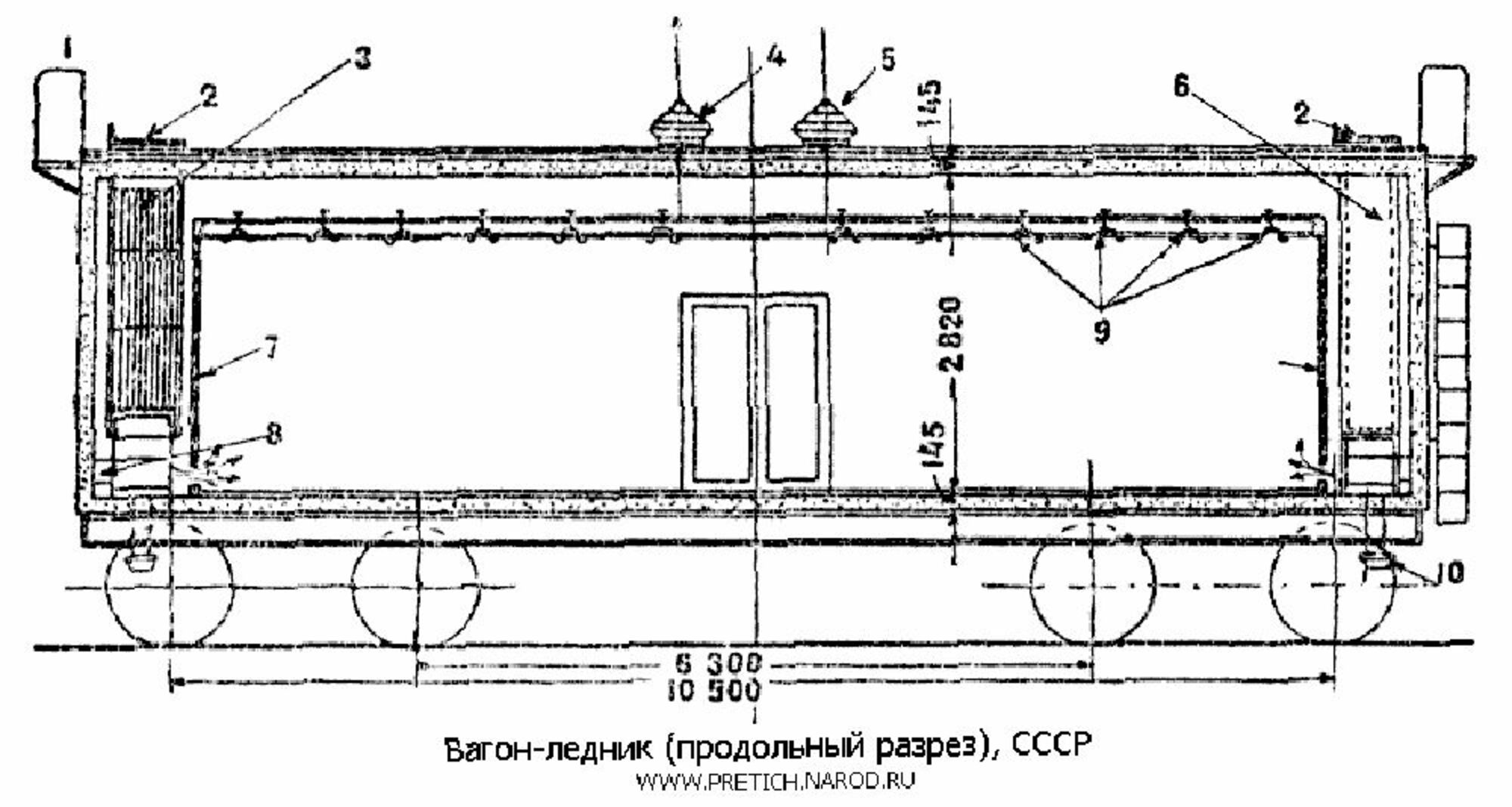
Isothermic cars were specially designed in the early 20th century to transport Siberian butter to ports on the Baltic Sea, and had double walls with insulation (cork) between them, a pair of ice chambers, a pair of two-leaf doors and an additional screen on the roof to block sunlight.

Isothermic cars had double walls with cork between them and chambers for ice. The ice was loaded at the loading station and along the route, and the car was cooled by natural air circulation.

The ice was loaded into special ice storage boxes at the loading station and along the route. Cooling was achieved by the natural circulation of air cooled by the ice. The distribution was uneven and the air became humid.

The car was built prior to 1918 at a Russian wagon works. While in service, the doors were fitted with new Meinert-type locks, which were stronger than the Finnish-railways-type door locks previously used.

Parameters

Technical
specifications

Manufacturing plant (approximately)
Sormovo
Year of construction (estimated)
1905
Car length by buffers, mm
8 236
Wheelbase, mm
3 810
Wheel diameter, mm
1 050
Body width based on protruding parts, mm
3 306
External body width, mm
2 961
Height from floor to ceiling, mm
2 337
Wagon container, pounds
770
Load capacity, pounds
750
Number of ice pockets
2
Brake
Manual
Harness
Perforating

Drawings
and diagrams

History

Chronology

  1. 1914 WWI destroys the Siberian butter trade, which flourished until the outbreak of hostilities.
  2. Before 1918 Refrigerator van 847 025 is built at a Russian wagon works.
  3. 2010 The refrigerator van arrives at the museum from the Idel Station on the Oktyabrskaya Railway.
  4. 2011–2012 The exhibit is restored by a non-standard equipment workshop at the Experimental Plant of the Oktyabrskaya Railway in Rzhev.