Today the museum is closed

Map

Exhibit description

Museum display Sorting station

First stations

In the development of transportation by rail, marshalling yards play a key role, implementing a complex structure for organizing wagon flows. Mass processing of wagons, disbanding and forming trains are the main functions of marshalling yards.

In 1846 in Germany, the world's first station on a incline was built - Dresden-Friedrichstadt. A similar station, Saint-Etienne, was built in 1863 in France, and then in England in 1873, Edge Hill.

In 1879 the first marshalling yard, St. Petersburg-Sortirovochny-Moskovsky, was opened in Russia. Later, it was here that the first automated hump yard was put into operation. Its track length was 52 km, and there were 137 turnouts.

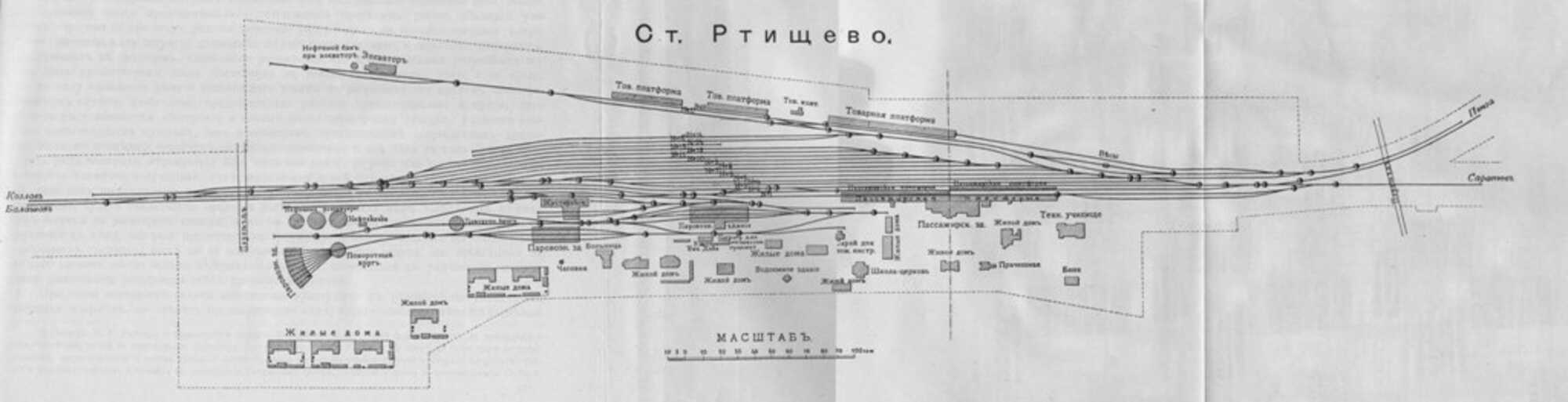
In 1881 the Moscow-Sortirovochnaya station was put into operation on the Moscow-Ryazan railway. It processed up to 700 wagons per day and had one set of receiving, sorting and dispatch yard. In 1899 Rtishchevo became the first marshalling yard with a hump yard in Russia.

In 1934 construction work began at the Krasny Liman station of the Donetsk railway with a mechanized sorting hump, which began the mechanization of sorting devices, the introduction of automatic centralization of switches and signals, information and operational communications, pneumatic mail.

Sorting today

Over the past 80 years sorting yards in Russia have switched to automated equipment and have been equipped with modern technological equipment. They usually have three parks — arrival, sorting and departure.

Currently, there are 39 sorting stations operating on the Russian railway network.

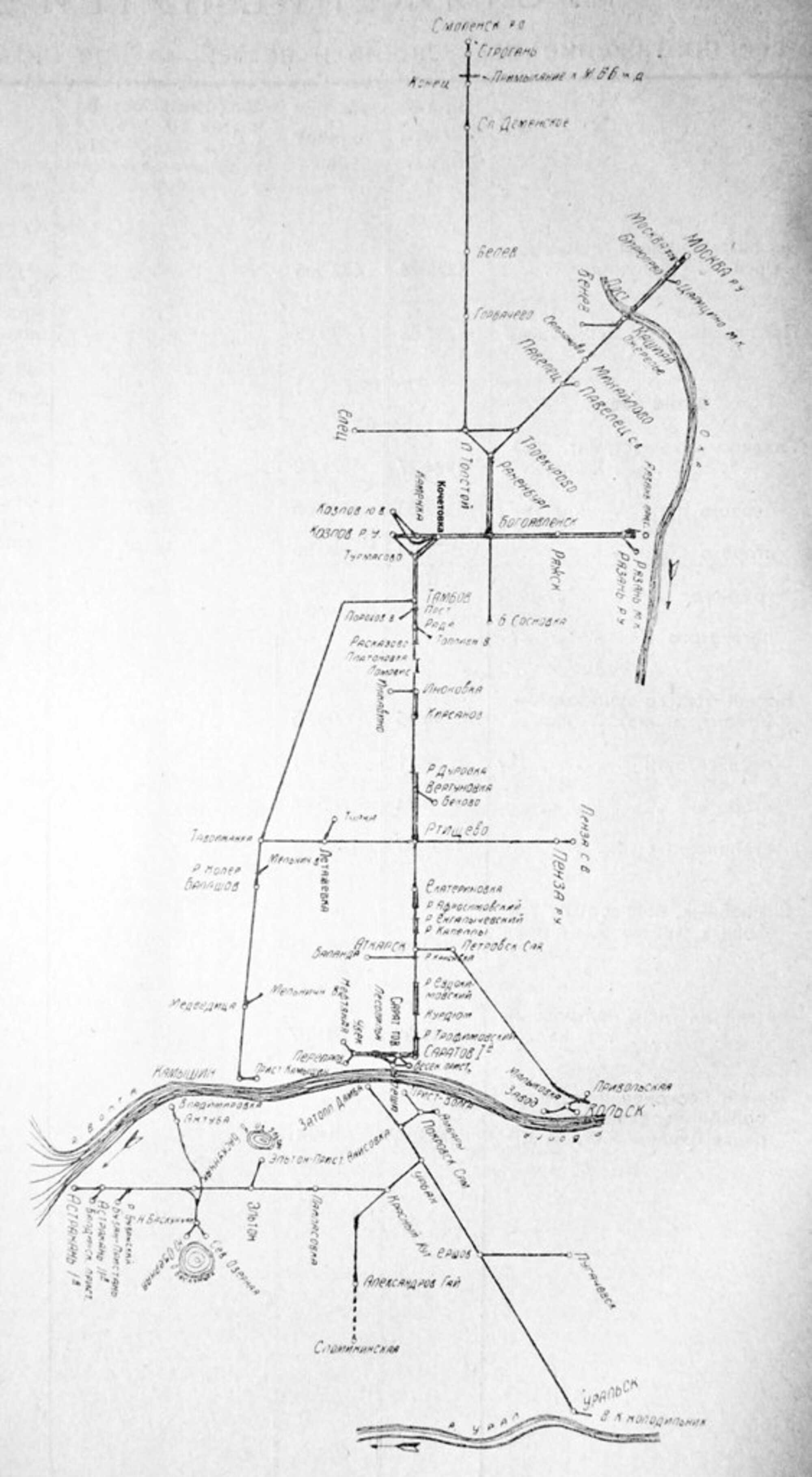
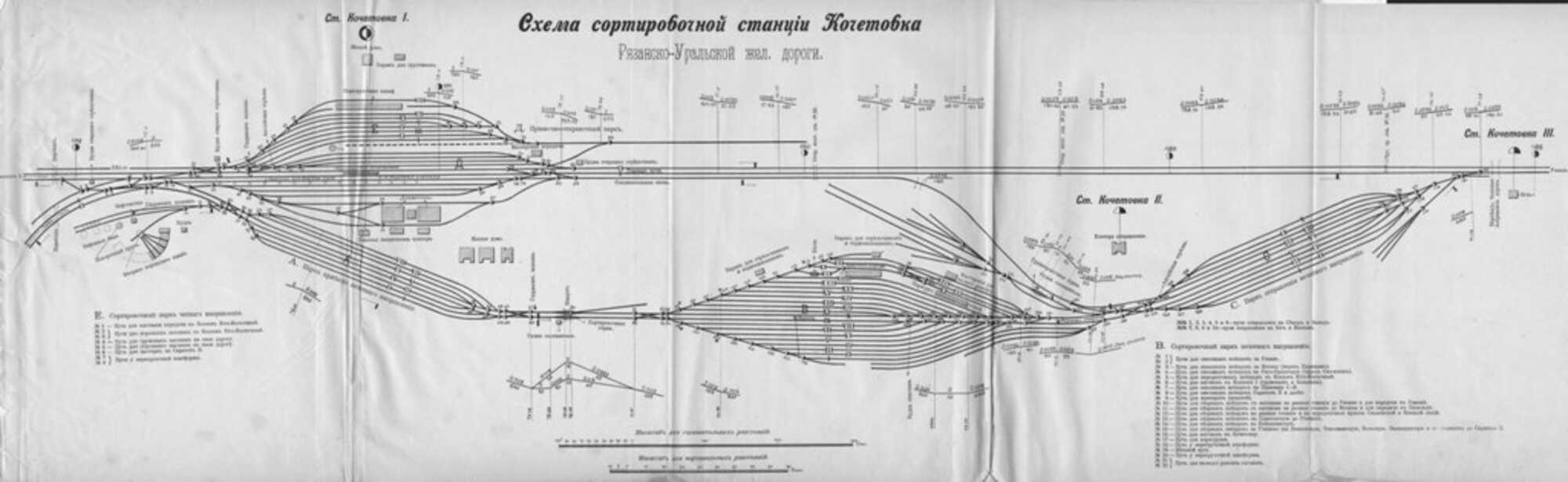
Based on the observations, a large marshalling yard, Kochetovka, was built on the Ryazan-Kozlov (now Michurin) line. It was a very busy junction with suitable topographic conditions. So the choice of this very place, Kochetovka station, for the construction of a new marshalling yard was quite natural.

When the Kochetovka marshalling yard began operating, 20 to 28 pairs of freight trains, 5–6 pairs of passenger trains, and 2 pairs of employee trains passed through it daily.

The wagons at the station were sorted by gravity using humps, or “donkey ridges,” as they were then called.

Parameters

Technical
specifications

Drawings
and diagrams

History

Chronology

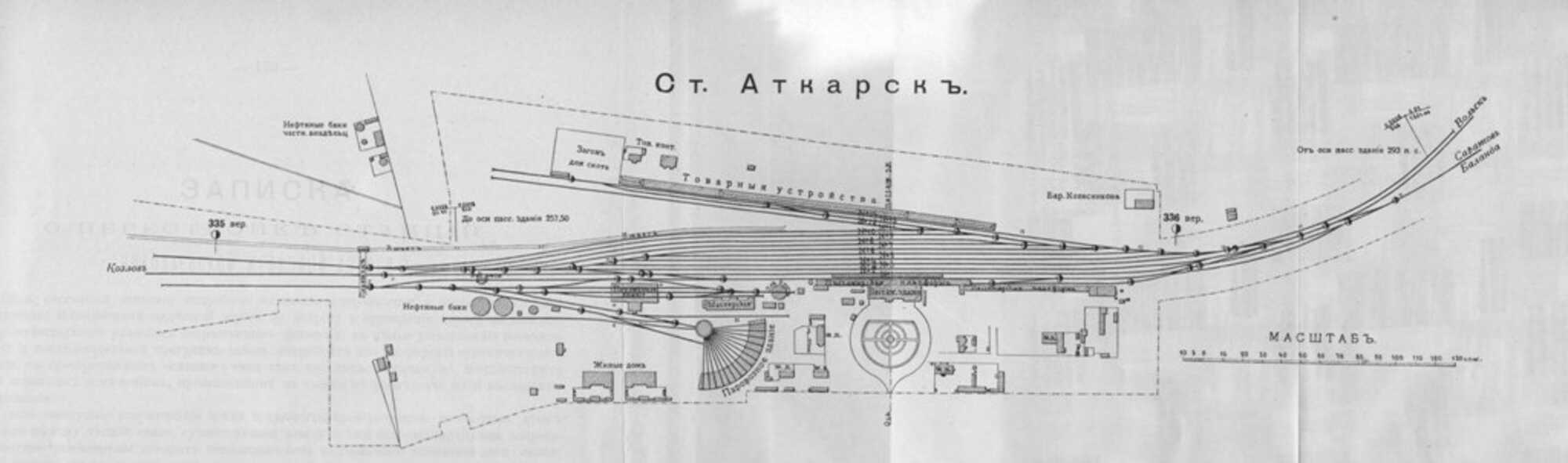
  1. 19th century In addition to the purely technical and organizational side of shunting, the layout of the station was important. Some people did the calculations, and others did the operation. Therefore, a decision was made to organize observations of shunting at the Atkarsk and Rtishchevo stations of the Ryazan-Ural Railway. Moreover, at these stations there was no division into receiving and dispatching and sorting tracks, that is, these were classic stations of the 19th century.
  2. 1899 It was a specially built marshalling yard. The prototypes for it were the German stations Brokau and Osterfeld. This station was the second marshalling yard on the Ryazan-Ural Railway after Rtishchevo station, built in 1899, where marshalling was done not by shunting locomotives, but by gravity. Concerns about the difficulties of operating such stations in harsh winter conditions were dispelled by long-term experience on the Nikolayevskaya Railway.
  3. 20th century By the beginning of the 20th century, the problem of sorting wagons, shunting at stations for coupling and uncoupling wagons began to slow down the movement of freight trains on the railway. It was found that 50% of the time was spent on feeding wagons for loading and unloading, cleaning them from under these operations, making up a train, re-compiling at junction stations - that is, on station shunts.