Today the museum is open from 10:00 to 18:00

Map

Exhibit description

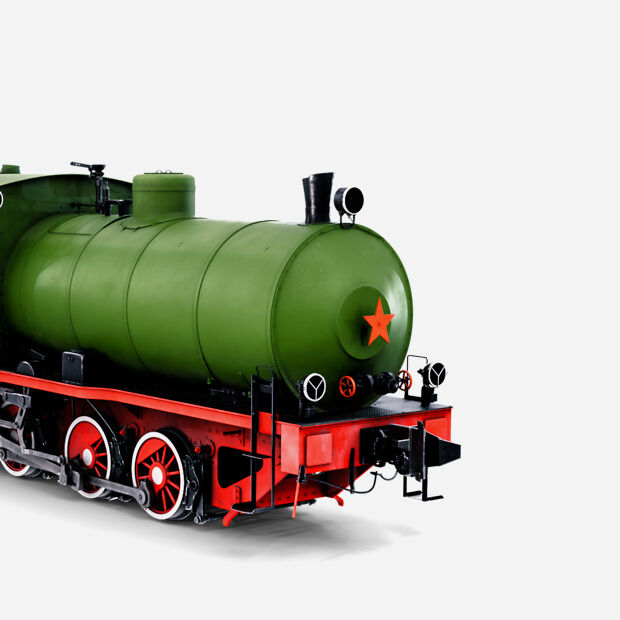
Tank locomotive ЬK 2023

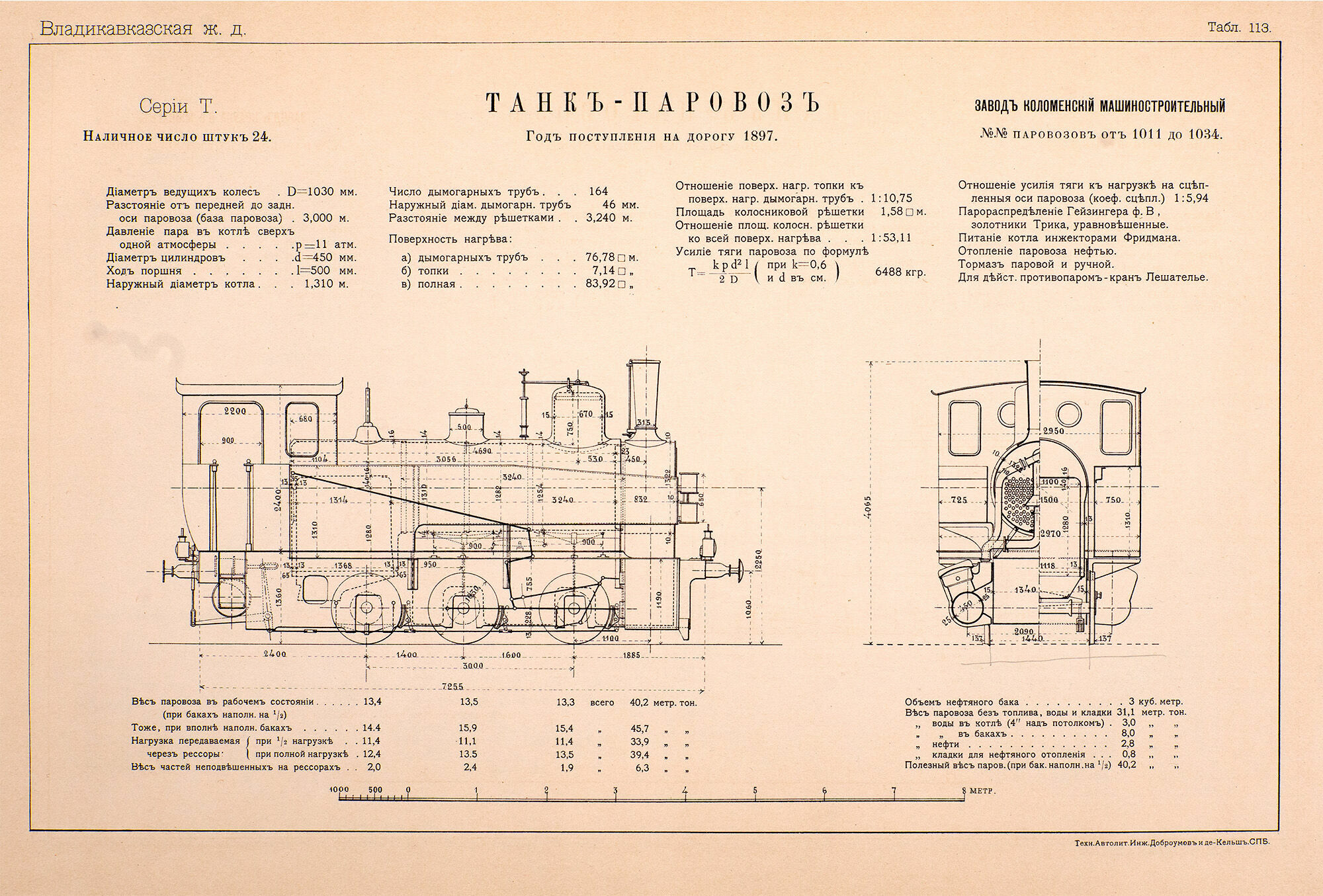
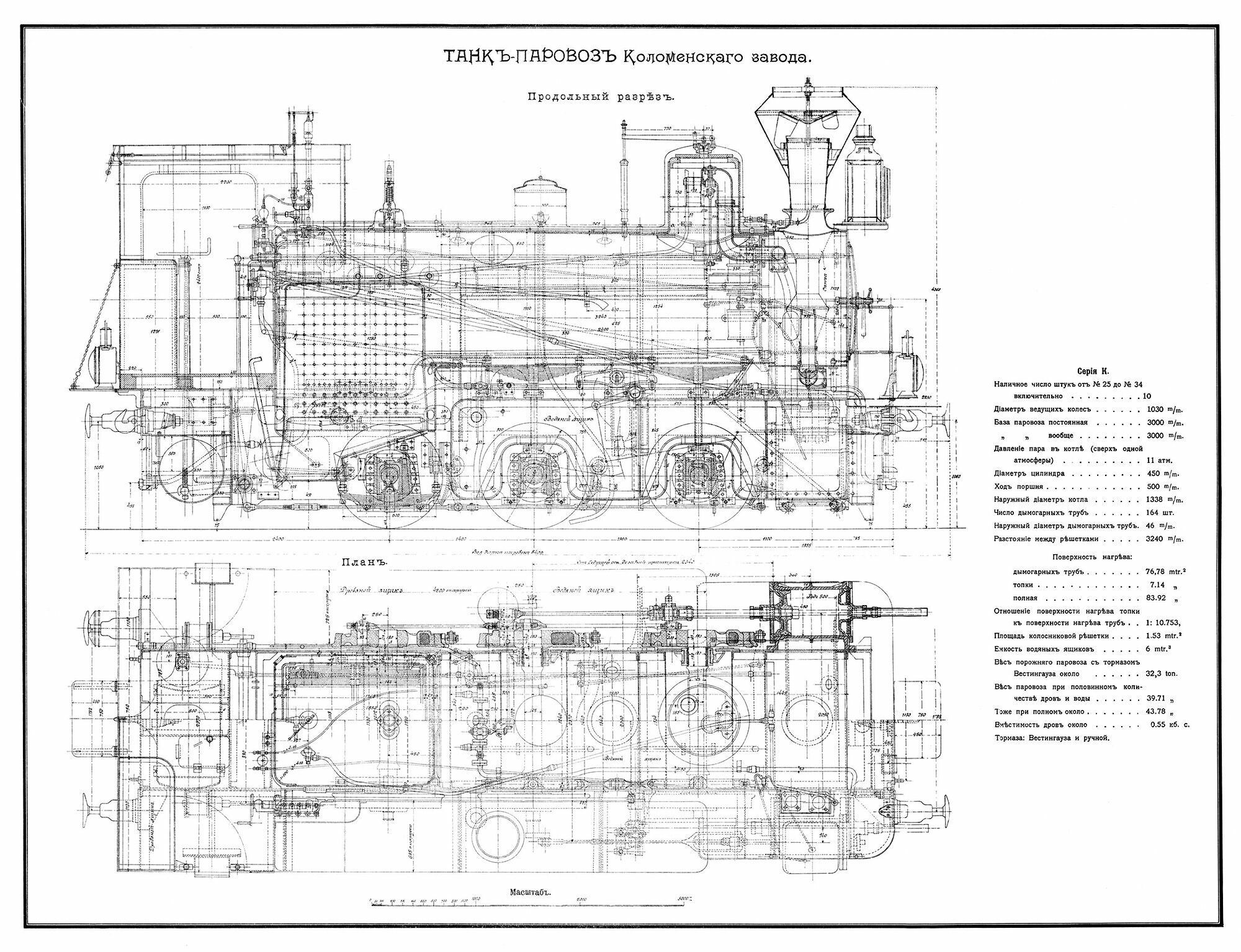
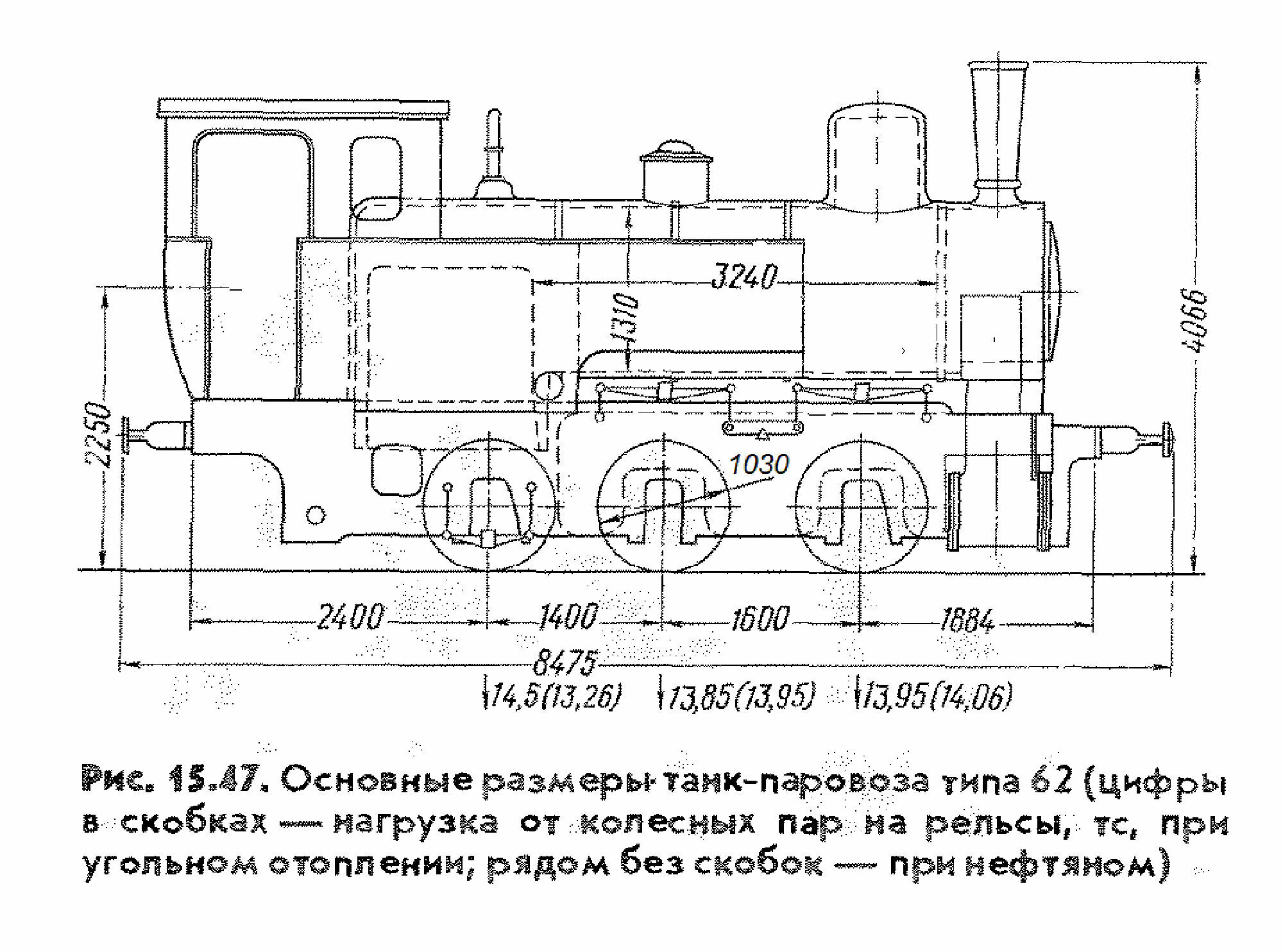
Taking into account the operational requirements for steam locomotives used in shunting, the Kolomna Locomotive Works developed and built a new type of tank locomotive in 1897, featuring three paired axles. This locomotive received the factory number 62.


These locomotives were equipped with boilers containing 164 fire tubes, each with a diameter of 41 ID / 46 OD mm, and a Walschaerts valve gear. Type 62 steam locomotives had oil reserves of 3 m³ or coal reserves of 1.45 m³, and water reserves of 6 or 7 m³, depending on the configuration.

The compact dimensions of the type 62 made it particularly well-suited for shunting in roundhouse depots with turntables, where some locomotives remained in service until the 1980s.

The first locomotives of this type were built for the Vladikavkaz Railway and equipped with oil heating. On the railway, they were assigned the class T, with numbers 1011–1034 (T 2011–2034 since 1900). By 1912, the Kolomna Locomotive Works built a total of 109 type 62 tank locomotives. These locomotives were supplied not only to railways (such as the Moscow–Kursk, Armavir–Tuapse, Kharkiv–Mykolaiv, Chinese Eastern lines, and others), but also to industrial enterprises (such as the Sulinsky Metallurgical Plant and Novorossiysk Port).

Project Development

During the construction process, several modifications were made to the design: steam-air pumps were installed, and the volume of water tanks was increased to 8 m³. As a result, the weight of the type 62 steam locomotives reached 44–45 t. In operation, some type 62 locomotives on the Vladikavkaz and Moscow–Yaroslavl–Arkhangelsk Railways were equipped with Westinghouse air brakes, while others on the Yekaterininsky Railway had steam brakes.


Since 1912, type 62 locomotives were assigned the ЬК class (Soft Sign K) under the jurisdiction of the Ministry of Railways.


The type 62 steam locomotives were further developed into the type 118 and type 154 tank locomotives, which were built between 1912 and 1932.

On the Vladikavkaz Railway, the Kolomna type 62 tank locomotives were used mainly for shunting. A number of these locomotives, as seen in surviving photographs, were also used to haul commuter trains on the Mineralnye Vody branch (Mineralnye Vody–Kislovodsk) and the Beshtau–Zheleznovodsk branch. Some steam locomotives had their water tanks enlarged as part of modernisation efforts on the railway.


By 1 January 1925, the Vladikavkaz Railway fleet included all 24 steam locomotives built in 1897. Later, some of the type 62 locomotives were repurposed as shunters in the depots of the North Caucasus and other railways. The compact dimensions of these locomotives made them well-suited for shunting in roundhouse depots with turntables. Some steam locomotives continued to serve in this capacity until the 1980s.

Currently, four type 62 tank locomotives survived: Ь class (Soft Sign) 2012, 2021, 2023, and 2034. The Ь class (Soft Sign) 2021 and 2034 locomotives were installed as monuments in Krasnodar and Mineralnye Vody, respectively. The Ь class (Soft Sign) 2012 steam locomotive was restored to working condition and was first showcased in a dynamic exhibition at the Railway Research Institute of JSC Russian Railways test loop at the Shcherbinka Station in August 2017.

Four type 62 locomotives survived. Two were installed as monuments in Krasnodar and Mineralnye Vody, one was restored to working condition, and the last one is located here in the museum.

The Ь class (Soft Sign) 2023 tank locomotive was built by the Kolomna Locomotive Works in 1897 for the Vladikavkaz Railway. The last place of operation for the locomotive was the Grozny Locomotive Depot, where it was used for shunting until the early 1980s. In 1982, the locomotive was registered by the Central Museum of Railway Transport of the USSR as a monument of science and technology. In 1989, it was sent to Leningrad for storage as a museum exhibit.

Parameters

Technical
specifications

Drawings
and diagrams