Today the museum is open from 10:00 to 18:00

Map

Exhibit description

Passenger Steam Locomotive SU253 15

When restoring the railways of the young Soviet state after the disruptions of the revolution and civil war, priority was understandably given to freight transport. By the mid-1920s, the fleet of freight locomotives on Soviet railways had been upgraded and expanded, largely through the importation of foreign locomotives of the EG and ESh classes.

During the reconstruction following the revolution and civil war, the focus was on freight locomotives, which were not suitable for passenger transport. As a result, it became easier to design a passenger locomotive from scratch.

Passenger locomotives built in 1917–1920 (S and 2-3-1L) were not well-suited to serve as the main passenger steam locomotive under the new conditions. The S class machines were impractical to build due to the increased weight of passenger trains and the use of low-quality coal for heating the steam locomotives. The L class 2-3-1 steam locomotives were too complex and specialised in design, as they were originally built on order for the private Vladikavkaz Railway.

It is also important to note that most domestic steam locomotive plants could not build locomotives larger or heavier than the E class machines. This limitation led designers to develop a new 1-3-1 type locomotive, which would differ significantly from the S class.

SU Class

The main goal when designing the first Soviet steam locomotive of the SU class was to maximize the heating surface of the boiler, the power of the superheater, and the area of the firebox grate for the 1-3-1 type. At the same time, the axle load should not have exceed 17.5 t. The simplest way to meet these requirements was to modify the SV project, developed in 1913 by the Kolomna Locomotive Works based on the S class for the Warsaw-Vienna Railway.

The design of the SU steam locomotive was developed at the Kolomna plant under the supervision of Engineer K.N. Sushkin. The first SU locomotives entered service in 1925. The new steam locomotive was capable of pulling a train weighing 575 t on a 9 % grade at an average speed of 32 km/h, which was 25 % higher than the weight standard for the S class.

The SU locomotive was well suited for high-capacity passenger service with speeds
of 60–80 km/h and was adapted to burn
low-grade coal.

The SU steam locomotive was best suited for high-capacity passenger service with speeds of 60–80 km/h and was well adapted to burning low-grade coal. The first machines built in 1925 exceeded the design load on the rear supporting wheelset. After a number of adjustments, this problem was resolved.

Thanks to the well-balanced ratios of the individual elements of the boiler and the good match between the boiler and the machine, the SU steam locomotive proved to be powerful, economical in operation, and easy to repair. The SU became one of the most popular locomotives among locomotive men, with reviews generally being positive.

However, the SU had its drawbacks, including a weak frame, which often led to the failure of vertical units due to their insufficient thickness. Additionally, the steam distribution system caused significant steam compression at small inlets, reducing the traction force of the SU at high speeds compared to the S class locomotives.

The production of SU locomotives by Soviet steam locomotive plants continued from 1925 to 1951, with the exception of the years 1942–1946. During this period, numerous changes were made to the design. Specialists classified the SU steam locomotives into four distinct groups. Production series I: 1925–1929, 524 machines. Production series II: 1932–1936, 930 machines. Production series III and SUM: 1935–1941, 816 machines. Production series IV: 1947–1951, 411 machines.

The SU steam locomotive became the most popular passenger locomotive on Soviet railways. A total of about 2,680 machines were produced.

Thus, the total number of machines built amounted to about 2,680 units. They became the most widely used passenger steam locomotives on domestic railways.

However, by the mid-1930s, the design of the SU was considered obsolete and no longer met operational requirements. While heavy passenger steam locomotives like the IS class successfully operated on reconstructed lines from the mid-1930s, the true replacement for the SU came only in the 1950s with the introduction of the P36 class.

The most significant attempt to modernise the SU locomotives — the SUM class — deserves special mention. These locomotives were fitted with water heaters in the tender and featured a fan-driven exhaust system. They were mass-produced at the Kolomna Locomotive Works in 1940 and 1941. Theoretically, these devices were intended to improve the efficiency of steam locomotives and enhance fuel combustion. At the same time, the design became significantly more complex. Starting from 1955, during repairs the SUM fan-driven exhaust systems were replaced with the conventional blast pipe exhaust system. The locomotives were designated as the  “standard” SU class.

The decision to resume production of the SU series steam locomotives at the Sormovo plant in the post-war period was undoubtedly a forced measure. More advanced passenger locomotives with low axial load had yet to be developed.

Operation

The SU class steam locomotives operated at different periods on all railways of the Soviet Union without exception. They hauled all types of passenger trains: express, passenger, and commuter. Sometimes these passenger machines were also used for freight traffic.

The SU class steam locomotives hauled all types of passenger trains: express, passenger, and commuter.

During the Great Patriotic War, a certain number of SU locomotives were used in the special reserve columns of the People’s Commissariat of Communication Routes. There they were used to haul ambulance trains. In 1944, after the complete lifting of the siege of Leningrad, the first Red Arrow Express from Moscow was delivered to the liberated city by the SUM steam locomotive.

Many renowned engineers worked on the SU steam locomotives, and the entire country admired their work. The most famous of them was probably A.P. Papavin, Hero of Socialist Labour and driver at the Vspolye Depot of the Yaroslavl Railway. Thanks to his expert care, by 1951 his SU99-07 steam locomotive had reached a mileage of 1,375,000 km without requiring major repairs.

The operation of SU steam locomotives on the railways continued until the 1970s, with the last ones in service being of the production series II–IV. Older steam locomotives from the production series I were retired from the fleet in the 1960s. The last SU locomotives were used in train service on the Oktyabrskaya and Belarusian Railways until 1976–1978. Some locomotives remained in service for utility work, such as washing cars and heating depots, until the 1980s.

SU steam locomotives were used in industrial enterprises as sources of steam for process purposes.

SU steam locomotives were transferred to industrial enterprises starting in the 1960s. There, in the overwhelming majority of cases, they were used as sources of steam for process purposes.

Due to the design features of passenger steam locomotives, they were almost never kept in reserve for military purposes. Therefore, compared to freight locomotives, far fewer passenger locomotives have survived. As of 1st January 1992, only two SU locomotives were included in the USSR Ministry of Railways inventory.

Currently, about 30 SU II–IV models are preserved in museums and displayed on pedestals across the post-Soviet space. Several of them are still in working order. One SU of production series II is located in the Mongolian Railway History Museum (Ulaanbaatar). Not a single SU of the production series I has survived to this day.

Museum Exhibit

The steam locomotive SU253-15 belongs to the production series IV. It was built at the Krasnoye Sormovo Plant in Gorky (now Nizhny Novgorod) in 1950, serial number 3719.

After its completion, in July 1950 the locomotive entered service with the Leningrad Railway (in June 1953, it became part of the Oktyabrskaya Railway). The locomotive operated at the Dno, Leningrad-Sortirovochny-Vitebsky, and Velikiye Luki Depots. Its last place of operation was the Novgorod Depot, where the SU steam locomotives served the Novgorod-Luga, Novgorod-Chudovo, and Novgorod-Leningrad sections until the end of 1976.

The SU253 15 locomotive remained operational and was able to move under its own power to the Kaliningrad Depot for cleaning and repairs.

In February 1978, the locomotive was transferred to the asphalt concrete plant in the Village of Pribrezhny of the Kaliningrad Region, where it was used as a source of steam for process purposes. Remarkably, it still remained operational (which is a rare case) and travelled to the Kaliningrad Depot under its own power for cleaning and repairs. Vintage railway enthusiasts discovered the existence of this locomotive at the plant in the 1980s.

In 1991, the locomotive was purchased from the plant at the cost of scrap metal by the Central Museum of the Oktyabrskaya Railway, and in 1992 it was delivered to Saint Petersburg. It was displayed at the exhibition site at Shushary station until 2001.

Parameters

Technical
specifications

Weight of the locomotive in working condition: without tender, t
86,66
Locomotive weight in working order with tender, t
130
Design speed, km/h
115
Maximum power at the wheel rim, l. s.
1 600
Axial formula
1–3–1
Locomotive empty weight, t
77,8
Locomotive coupling weight, t
54,55
Tender type
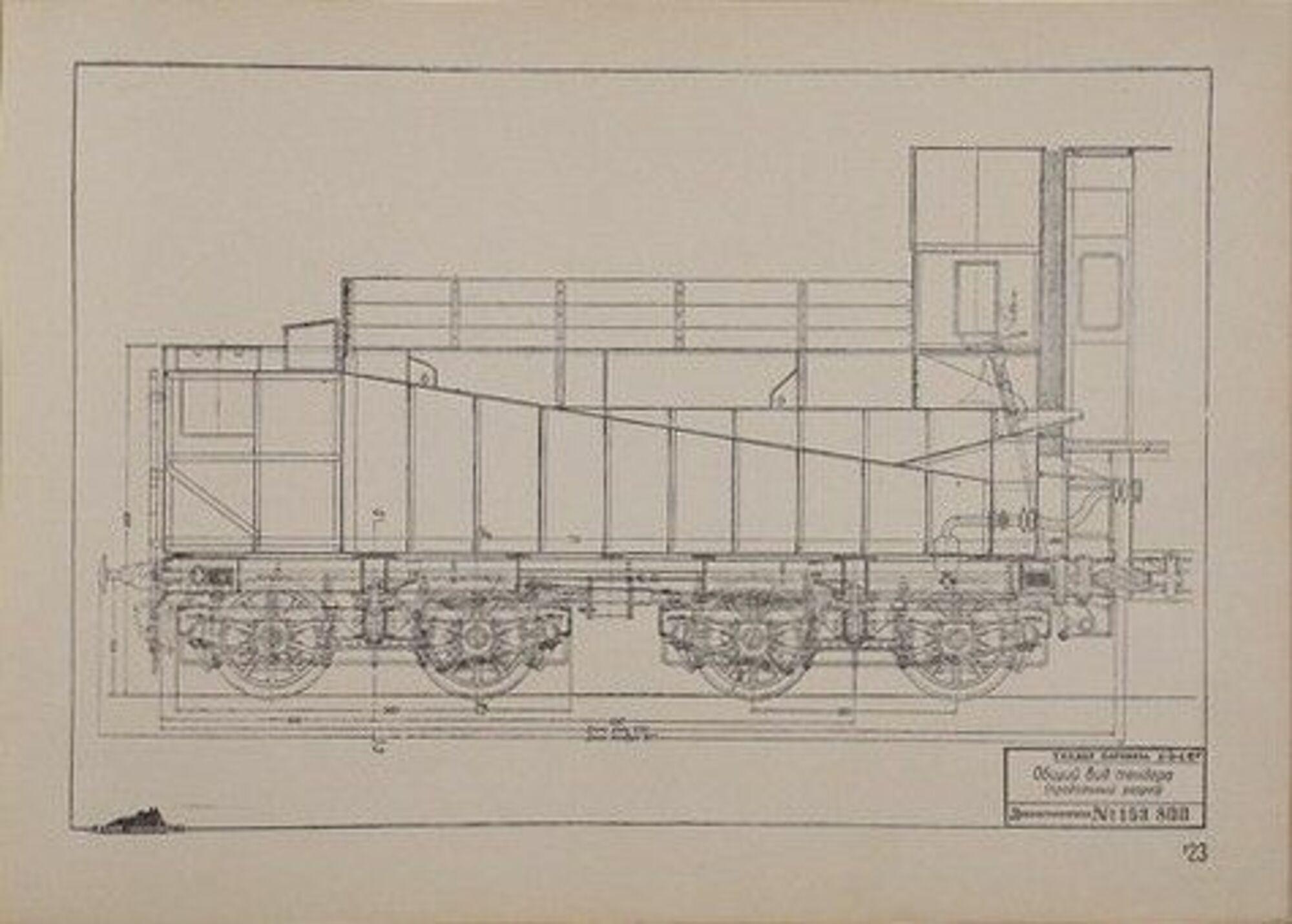
Four-axle
Full wheelbase steam locomotive with tender, mm
20 484
Length of locomotive with tender by buffers, mm
23 682
Diameter of driving wheels, mm
1 850
Smallest radius of a traversable curve, m
145
Boiler
Steam pressure, kg/cm2
13
Firebox type
Belpera
Grate area, m2
4,67
Full evaporative heating surface of the boiler (water), m2
187,76
Heating surface of steam superheating tubes (gas), m2
89,35
Number of smoke pipes, pcs.
98
Diameter of smoke pipes (outer), mm
51
Number of flame tubes, pcs.
40
Diameter of flame tubes (outer), mm
133
Superheater type
Double-turn
Diameter of steam superheating pipes (outer), mm
35
Type of heating
Coal, manual
Car and crew
Number of cylinders, pcs.
2
Cylinder diameter, mm
575
Piston stroke, mm
700
Spool diameter, mm
250
Frame type
Sheet
Frame thickness, mm
29
Steam distribution system
Valsharta
Tender
Empty weight, t
35
Weight with full supply of water and coal, t
82
Water supply, m3
27
Coal reserve, t
20
Trolley type
Riveted
Suspension
Double spring

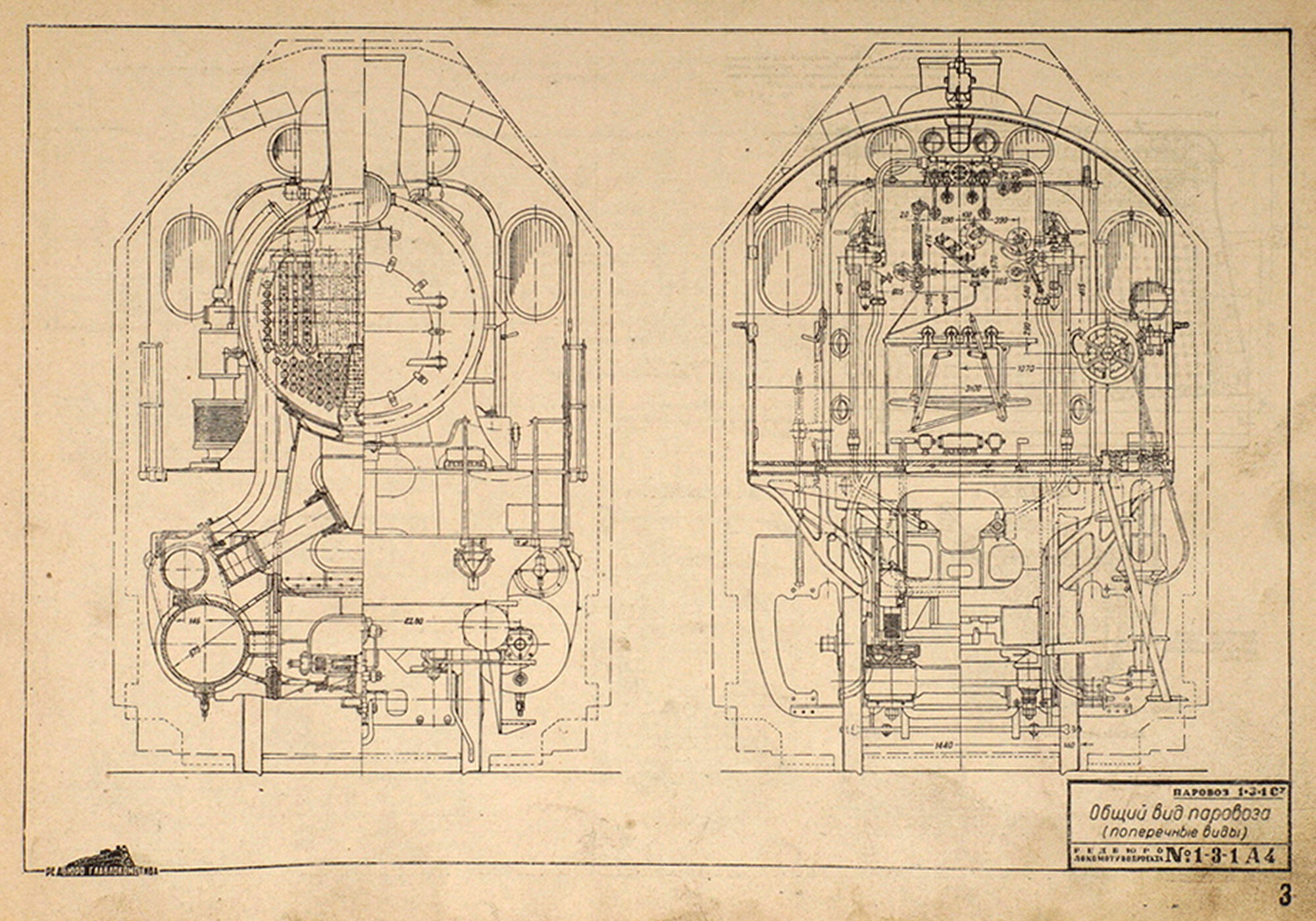
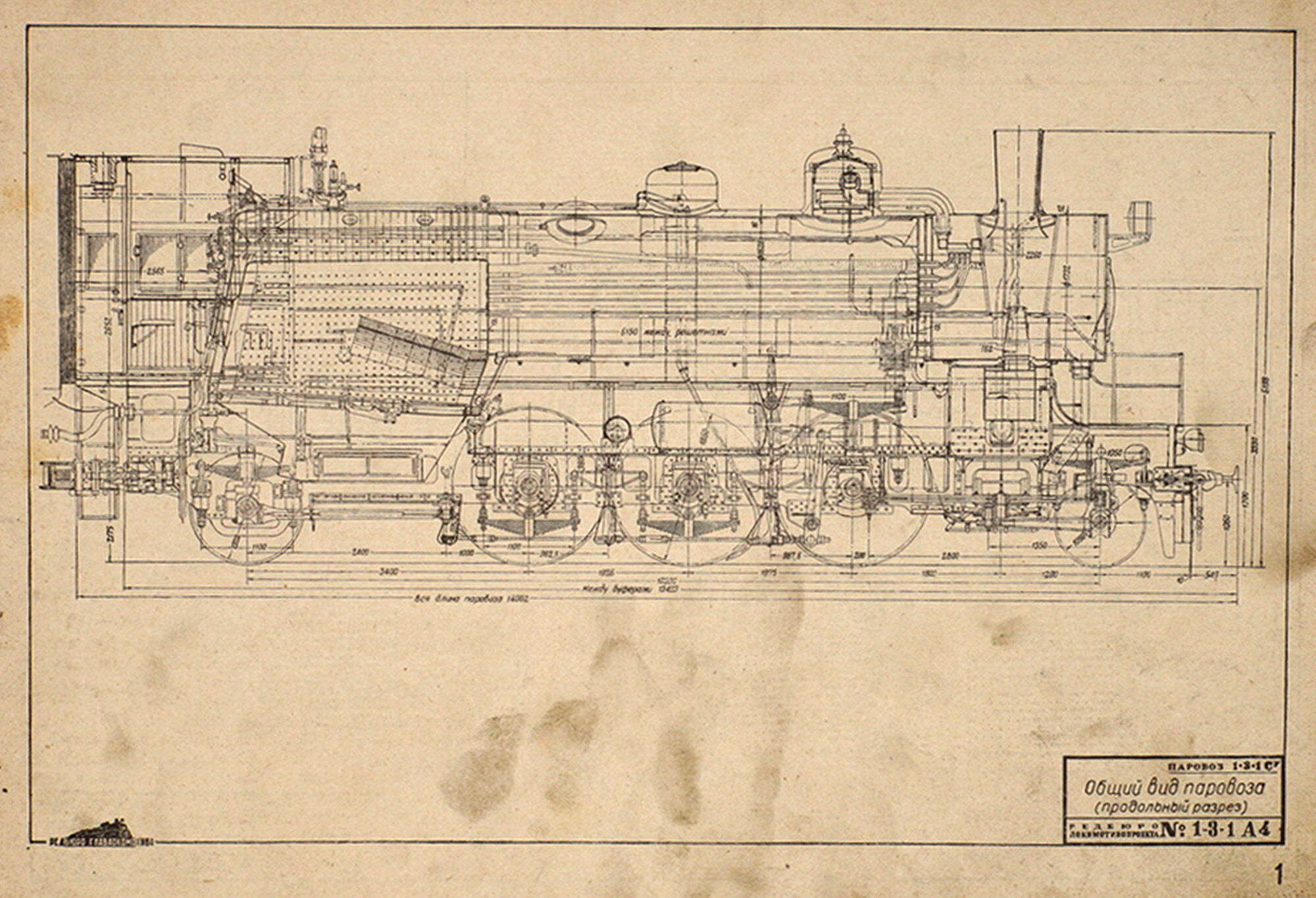
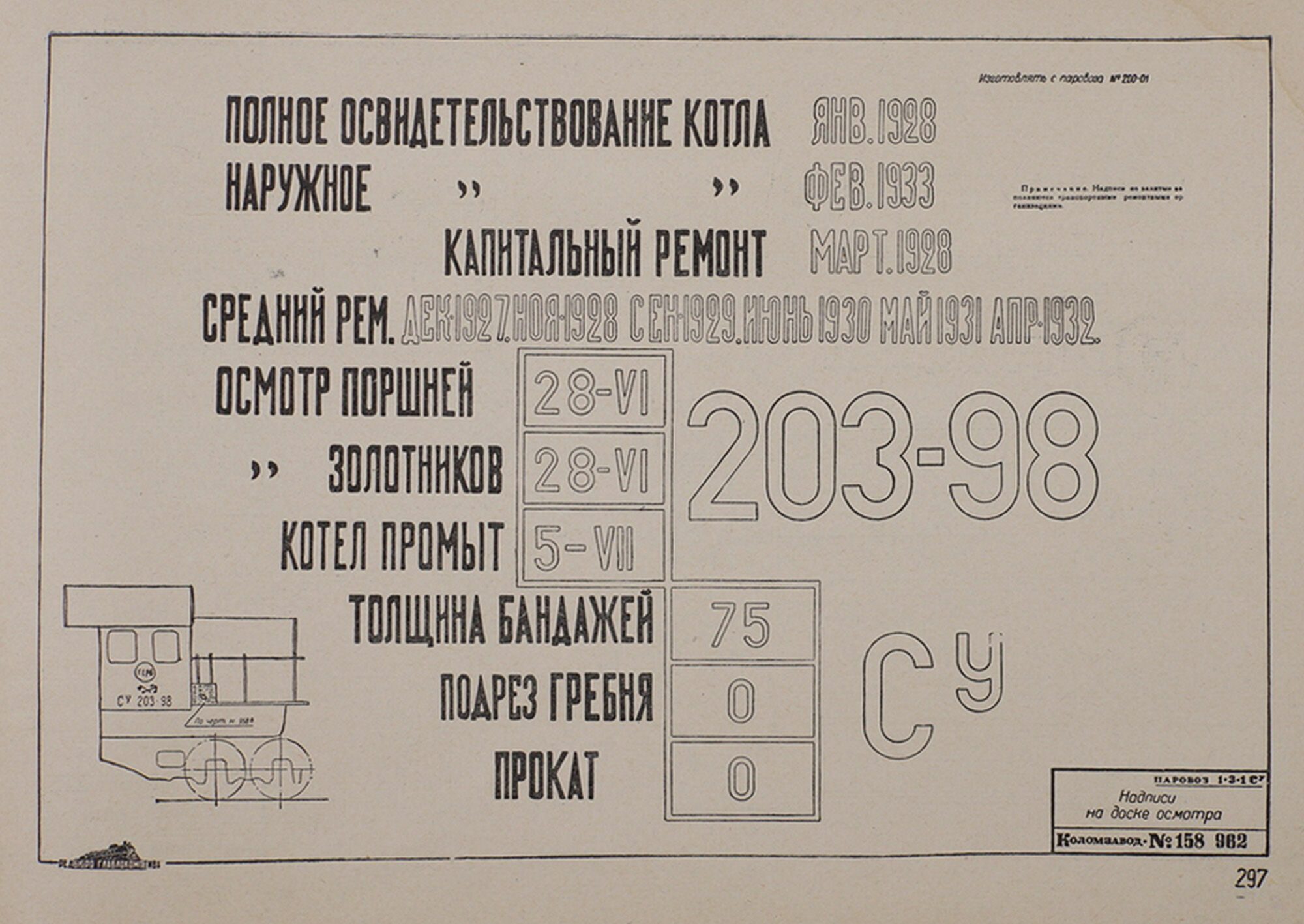
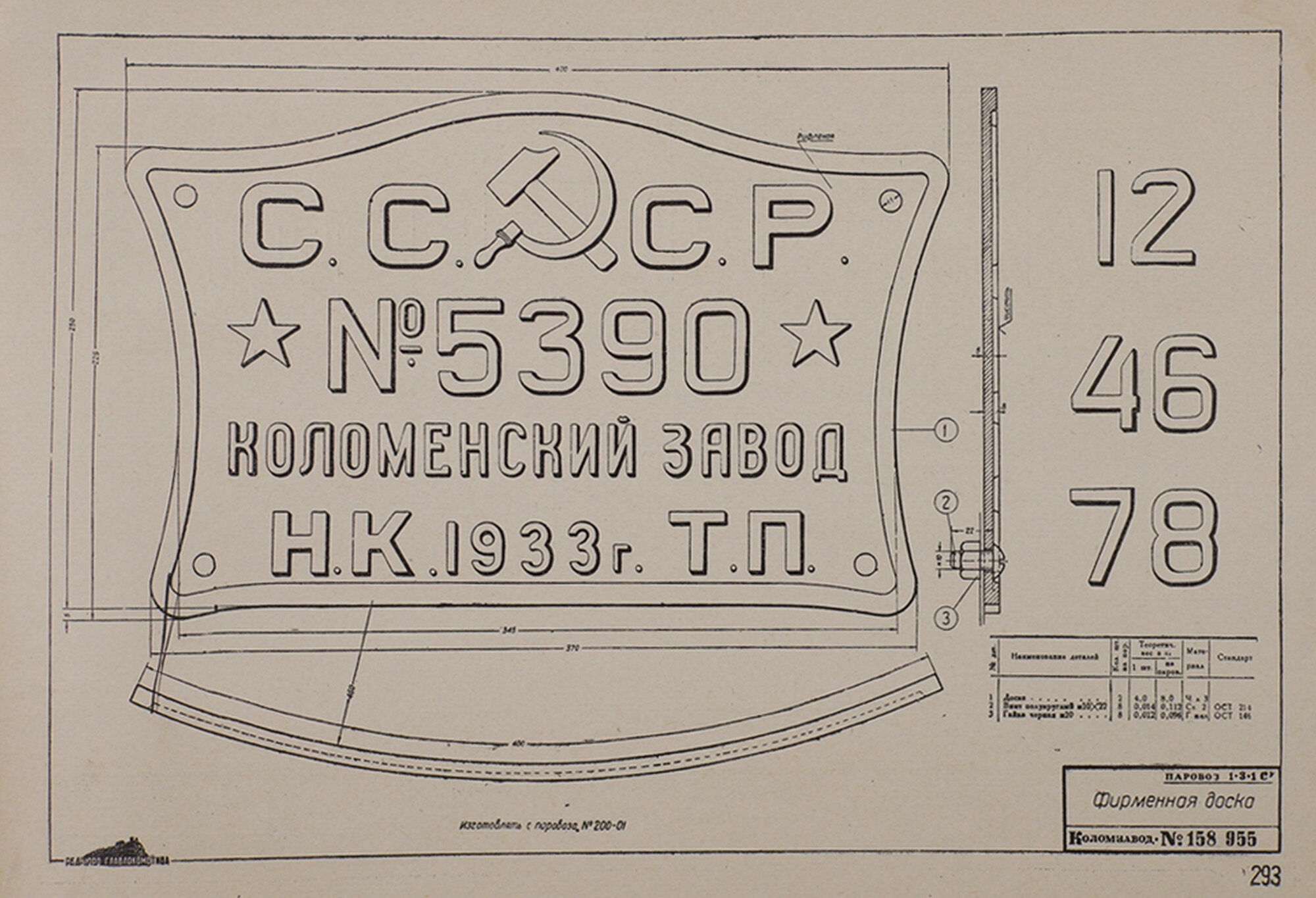
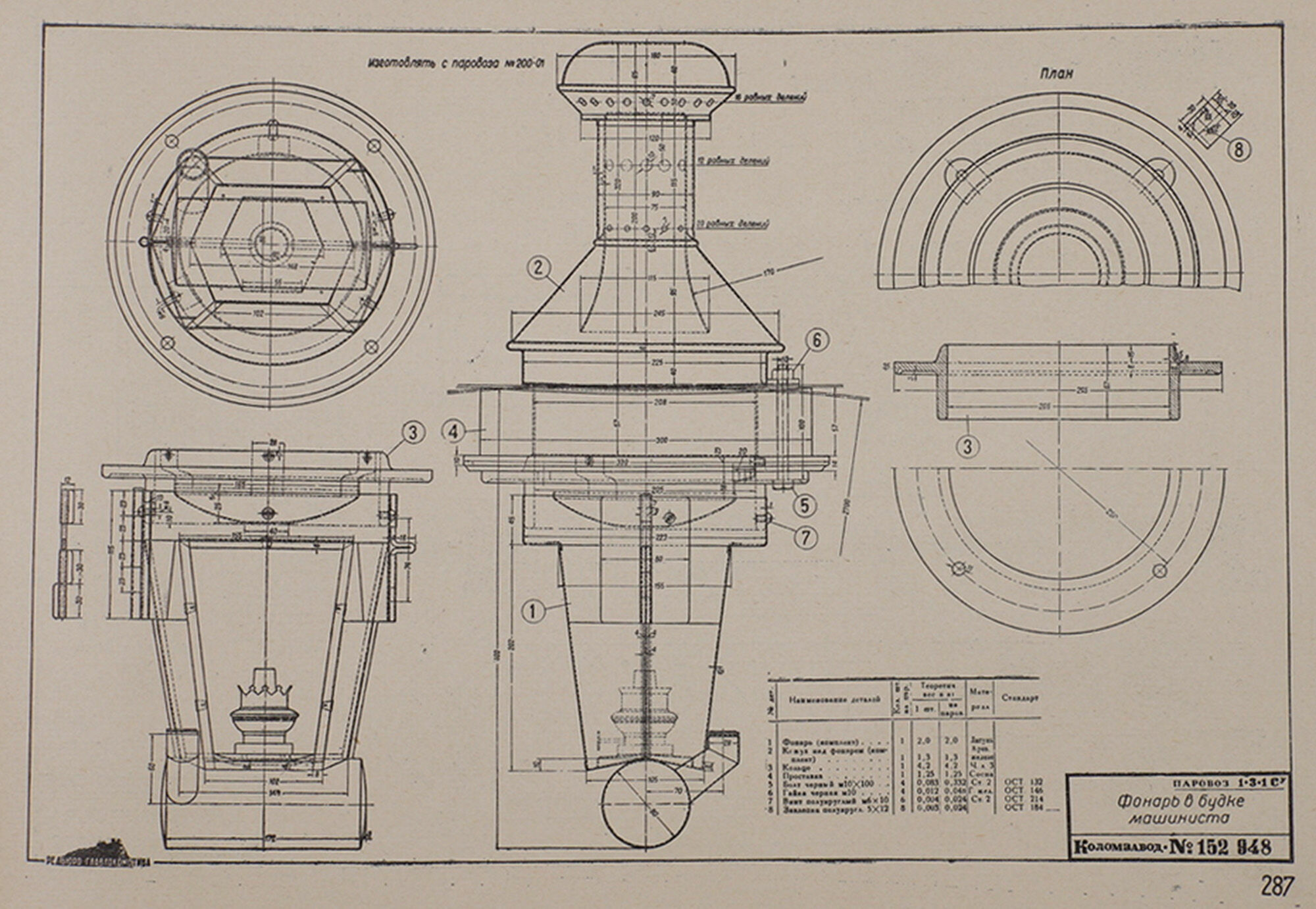
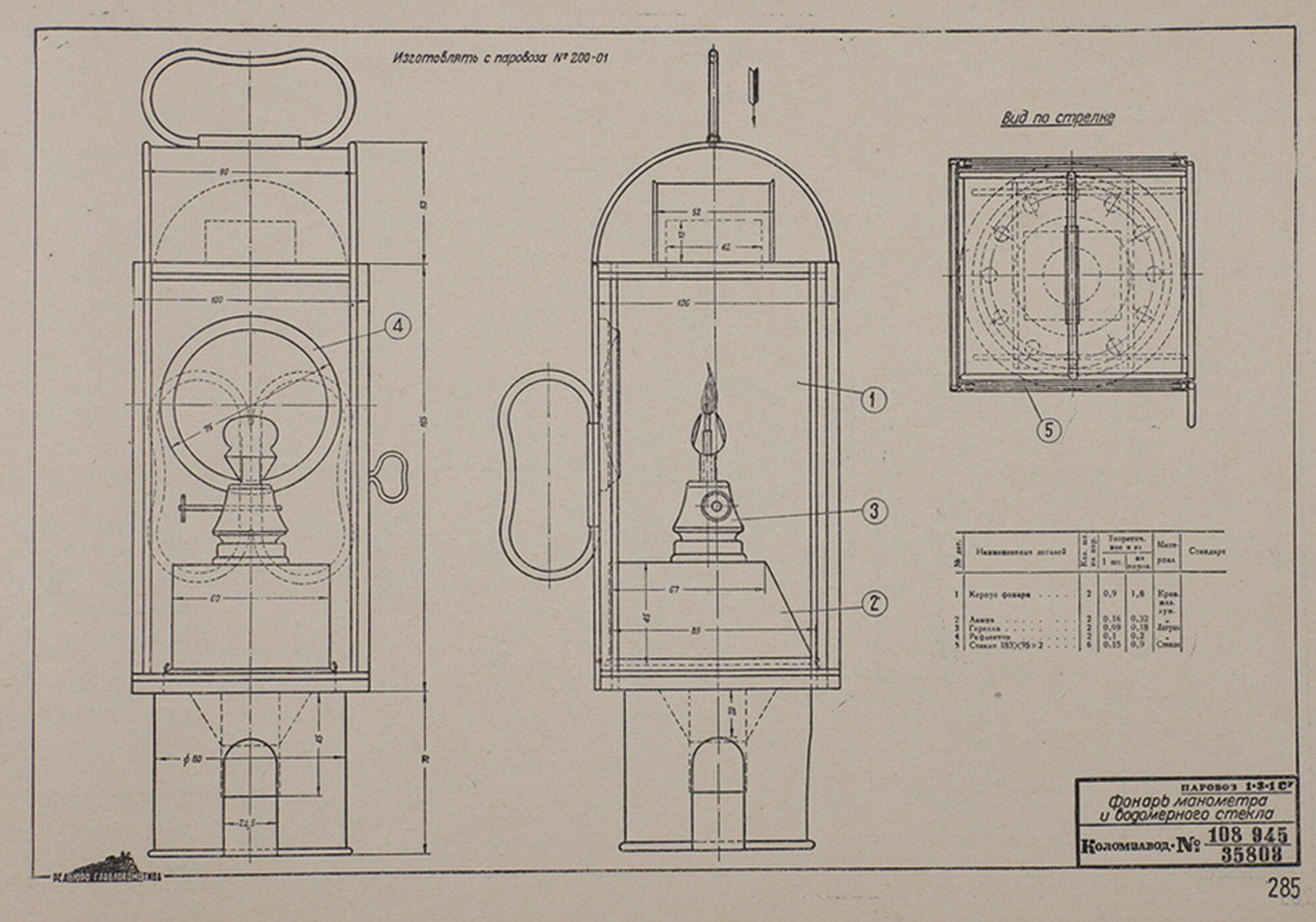
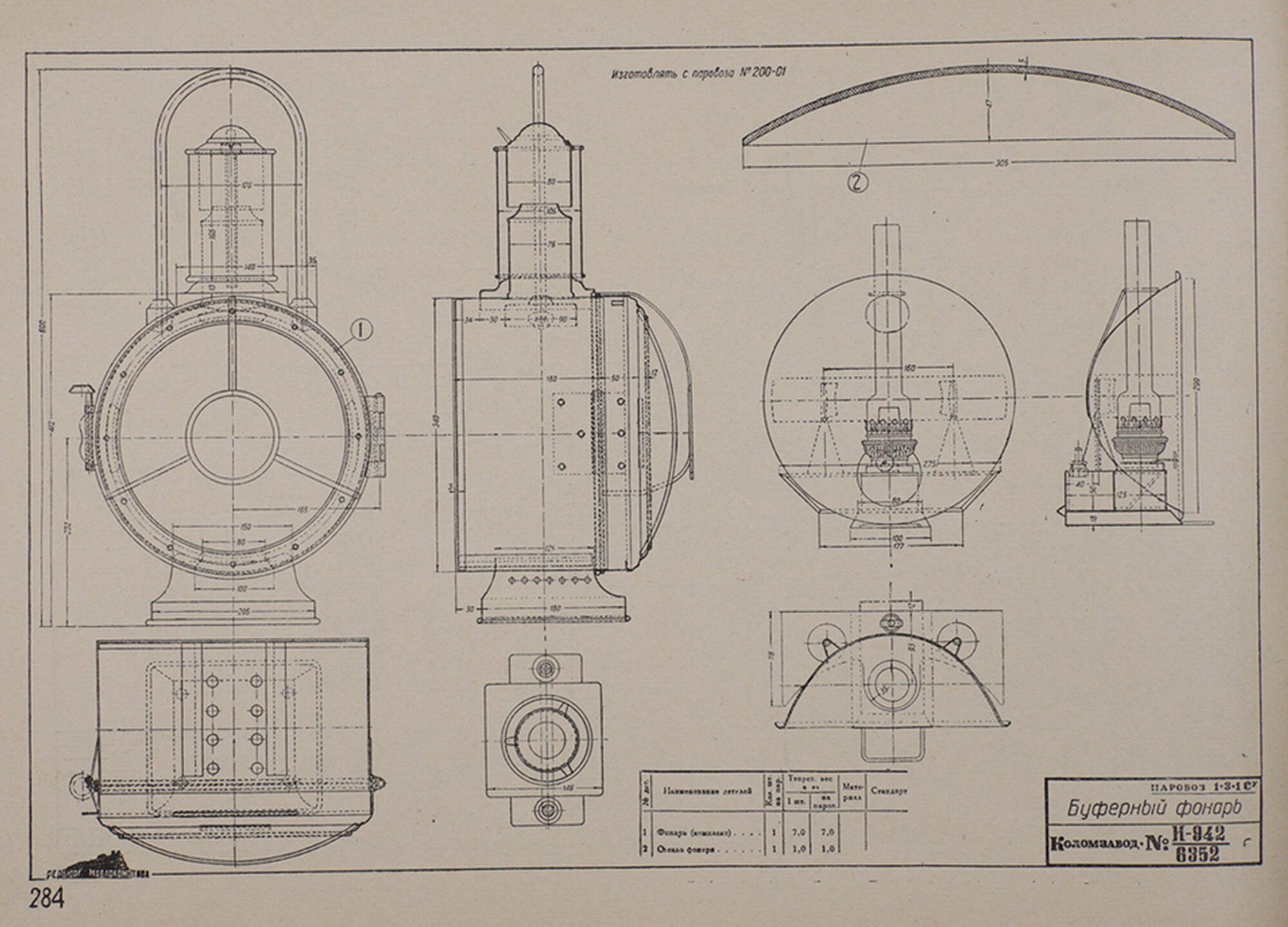
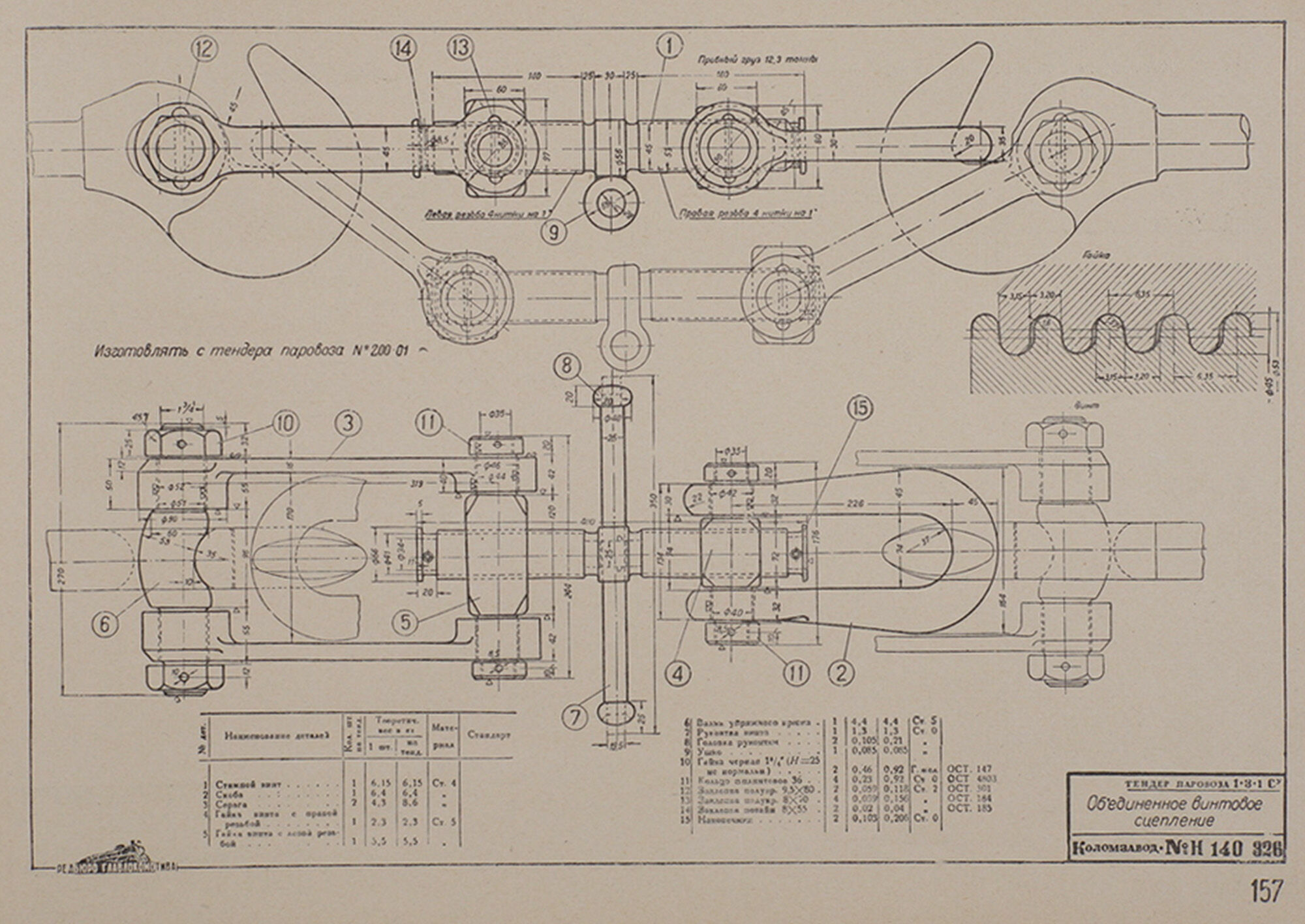
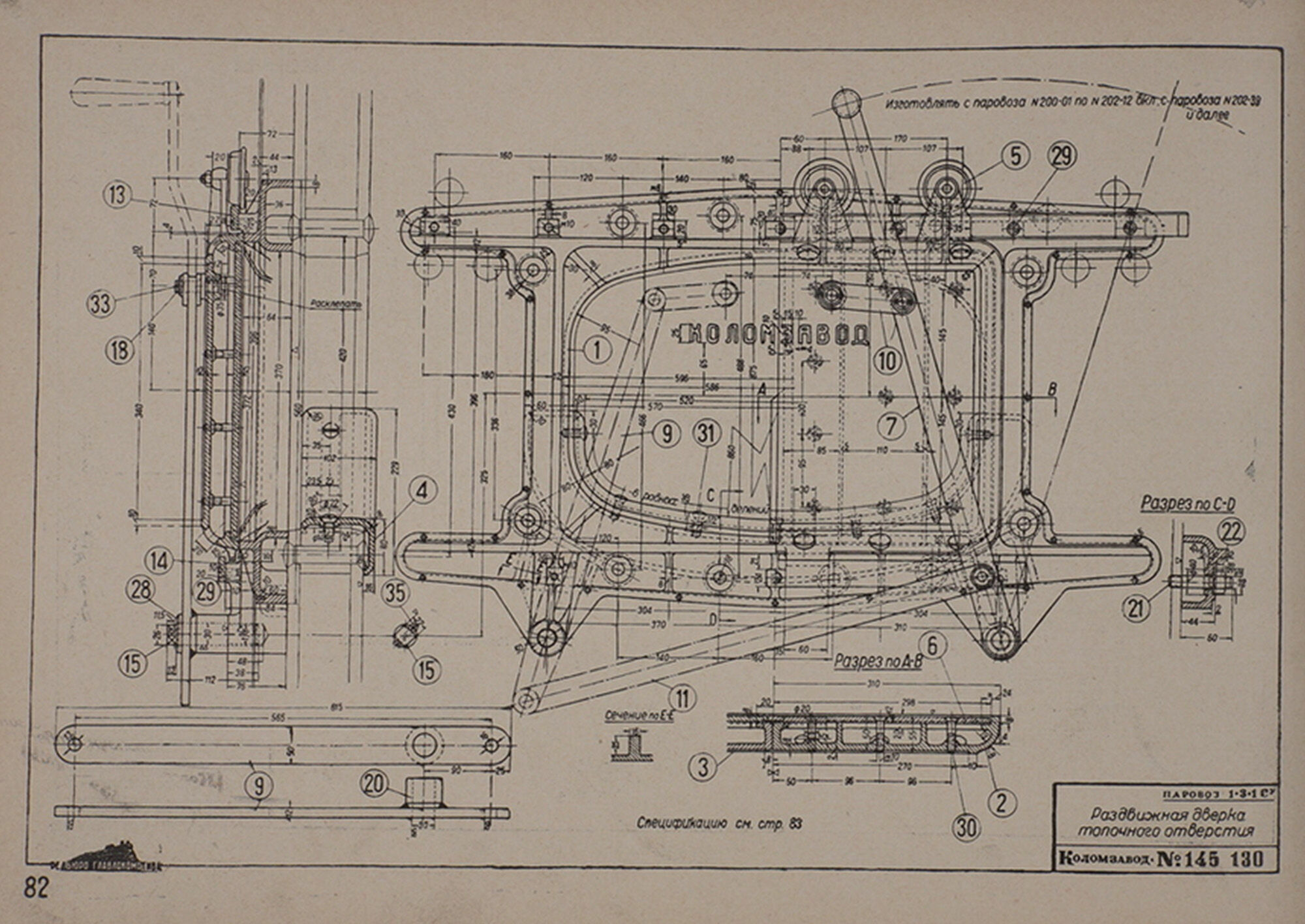
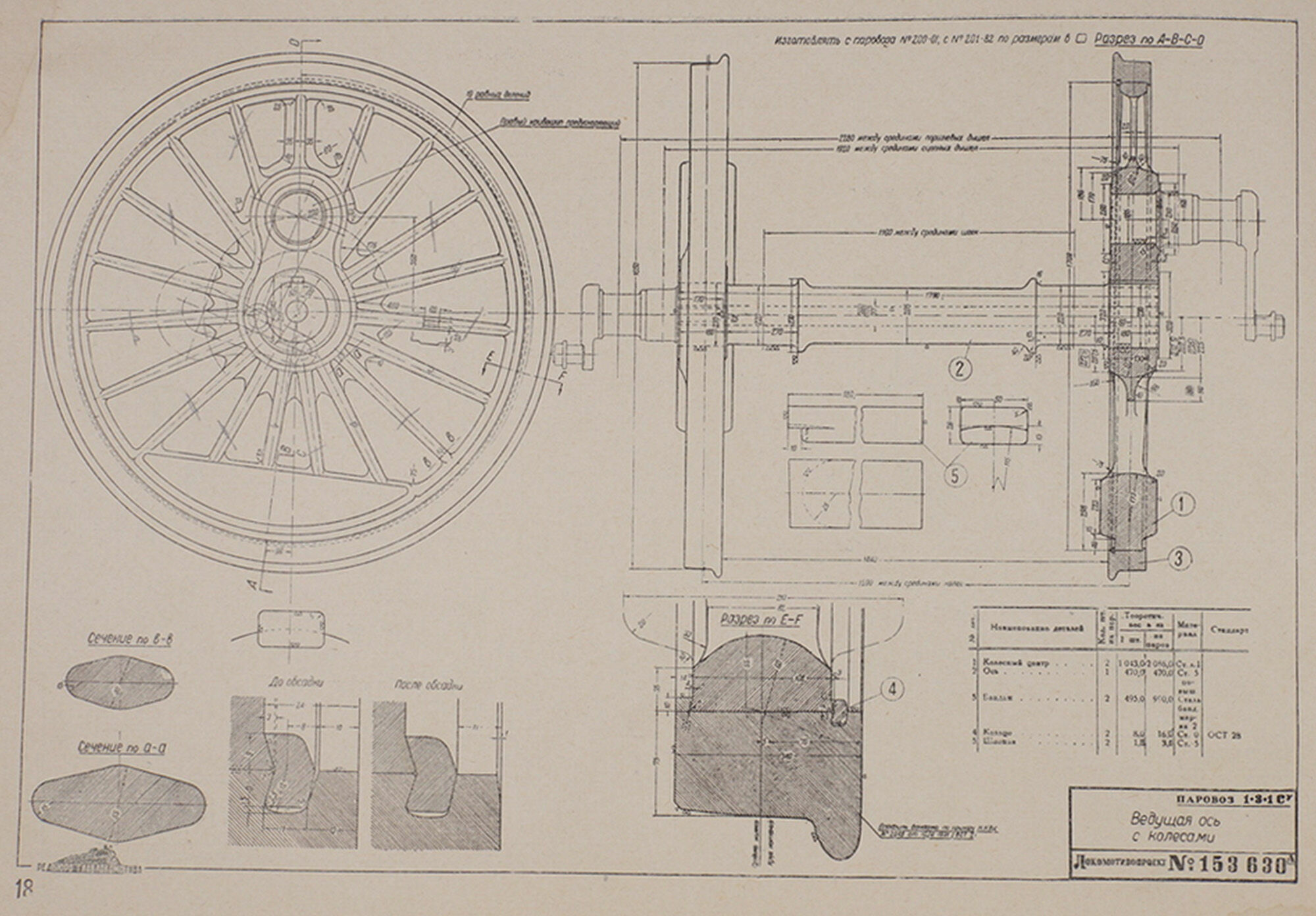
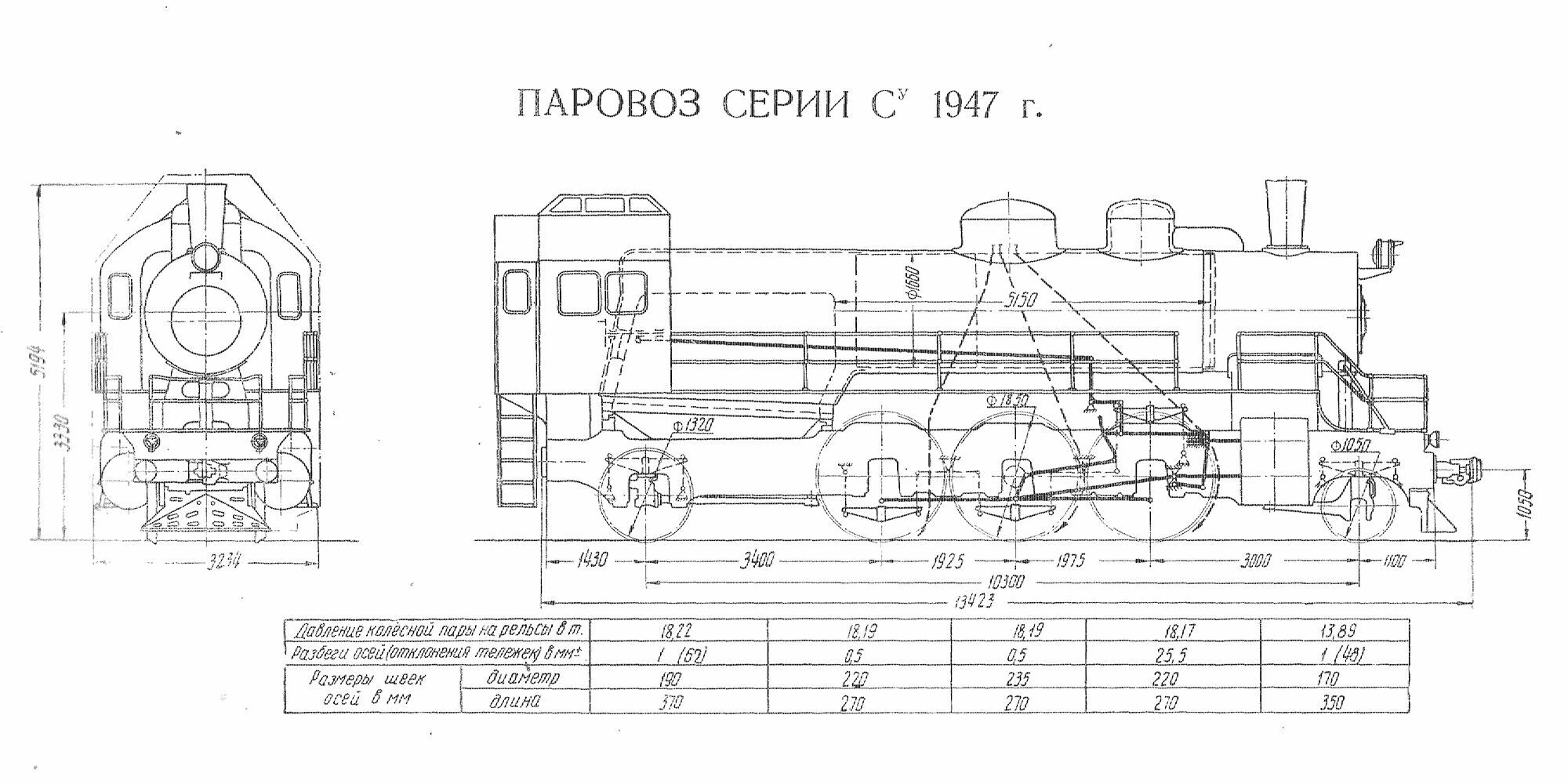
Drawings
and diagrams

History

Chronology

  1. Mid-1920s The fleet of freight locomotives on Soviet railways was upgraded and expanded, largely through the importation of foreign locomotives of the EG and ESh classes.
  2. 1925 The first steam locomotives of the SU class entered service on the railways.
  3. 1925–1951 Production of SU steam locomotives by Soviet steam locomotive plants, with the exception of 1942–1946.
  4. Mid-1930s The design of the SU steam locomotives was considered obsolete and no longer met operational requirements.
  5. 1940–1941 Mass production of SUM steam locomotives at the Kolomna Locomotive Works.
  6. 1944 After the complete lifting of the siege of Leningrad, the first Red Arrow Express from Moscow was brought to the liberated city by none other than the SUM steam locomotive.
  7. 1950 The locomotive SU253 15 was built at the Krasnoye Sormovo Plant in Gorky (now Nizhny Novgorod).
  8. June 1953 Steam locomotive SU253 15 entered service with the Leningrad Railway.
  9. 1950s The introduction of the P36 class steam locomotives marked the first true replacement for the SU steam locomotives.
  10. Older steam locomotives of the production series I were removed from the inventory fleet.
  11. February 1978 Steam locomotive SU253 15 was transferred to the asphalt concrete plant in the Village of Pribrezhny of the Kaliningrad Region, where it was used as a source of steam for process purposes.
  12. 1991 Steam locomotive SU253 15 was purchased from the plant at the cost of scrap metal by the Central Museum of the Oktyabrskaya Railway.
  13. January 1, 1992 Only two SU steam locomotives were included in the USSR Ministry of Railways inventory.
  14. 1992 Steam locomotive SU253 15 was delivered to Saint Petersburg, where it was displayed at the exhibition site at Shushary station until 2001.
  15. 2001 Steam locomotive SU253 15 was on display at the museum at the former Varshavsky Station in Saint Petersburg.