Today the museum is open from 10:00 to 18:00

Map

Exhibit description

Freight Steam Locomotive Od 1080

At the dawn of Russian steam locomotive construction in 1858, the Aleksandrovsky Plant built steam locomotives with a 0-4-0 wheel arrangement, which had not been previously used in steam locomotive construction. Over the next 20 years, several types of locomotives with this wheel arrangement, produced by both Russian and foreign plants, entered service on Russian railways, each differing significantly in their characteristics.


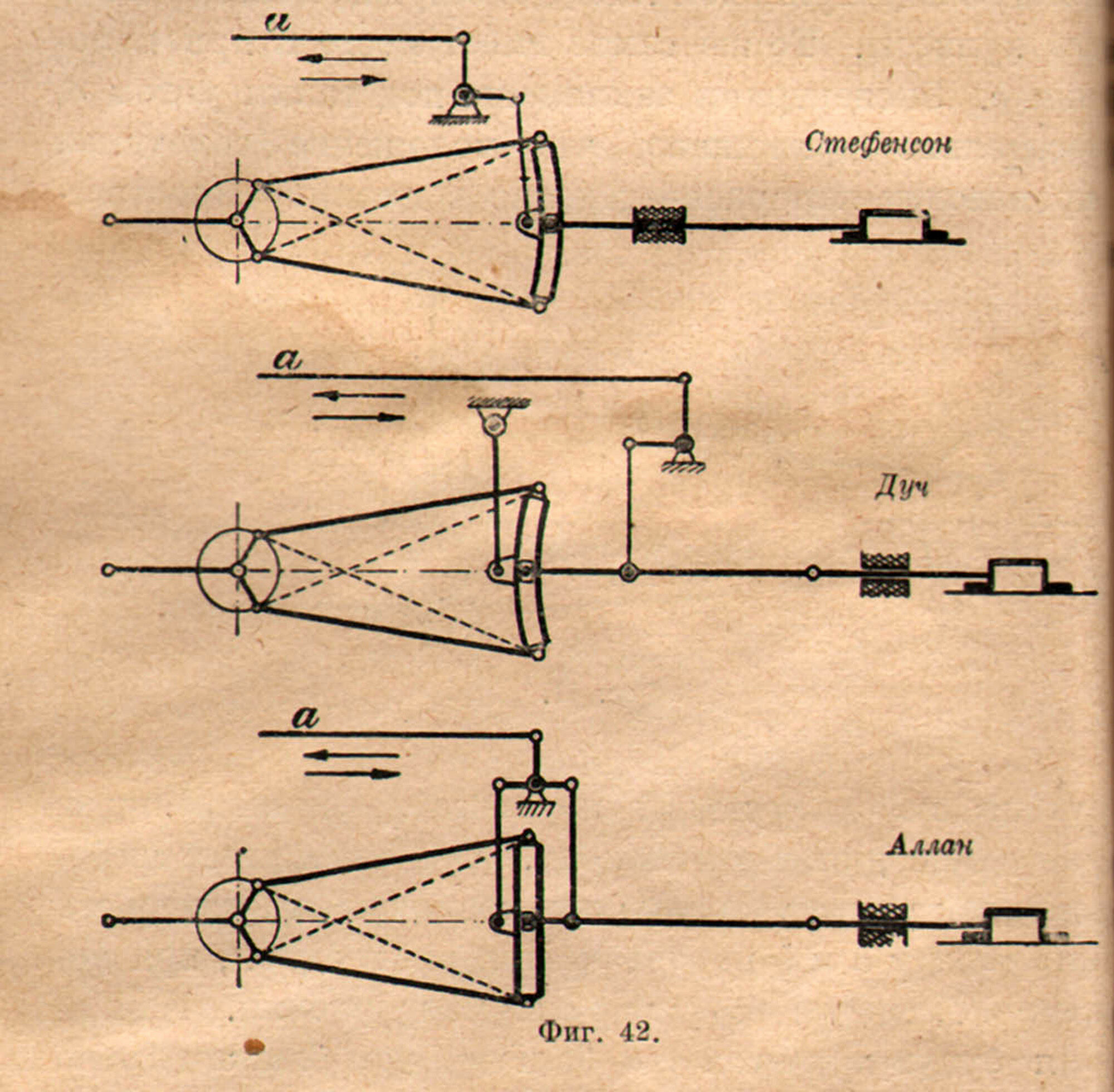
In 1879, steam locomotives produced the previous year by the Kolomna Locomotive Works (factory type 24) for the Nikolaevskaya Railway were designated as “government reserve” locomotives. For military purposes, the Ministry of Railways ordered these machines and distributed them to the railways leading to the western borders. In 1883, the Kolomna Locomotive Works began producing an improved version, designated as factory type 31. Similarly, the steam locomotives built by the Nevsky Plant since 1880 were also classified as “government reserve” locomotives. All of these locomotives featured redistribution mechanisms located inside the frame, Allan straight link valve gears, and, in the earliest models, Stephenson links.

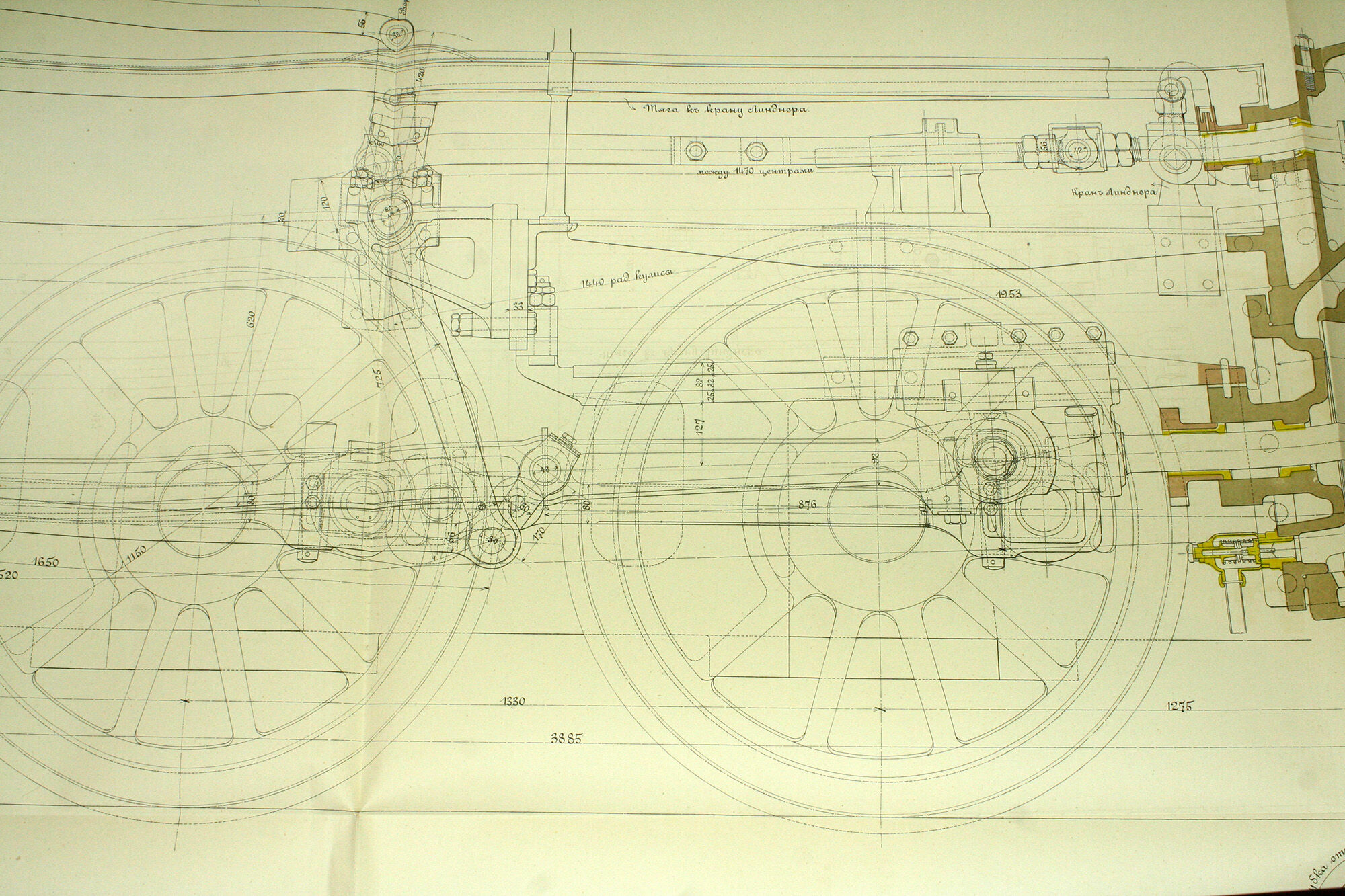
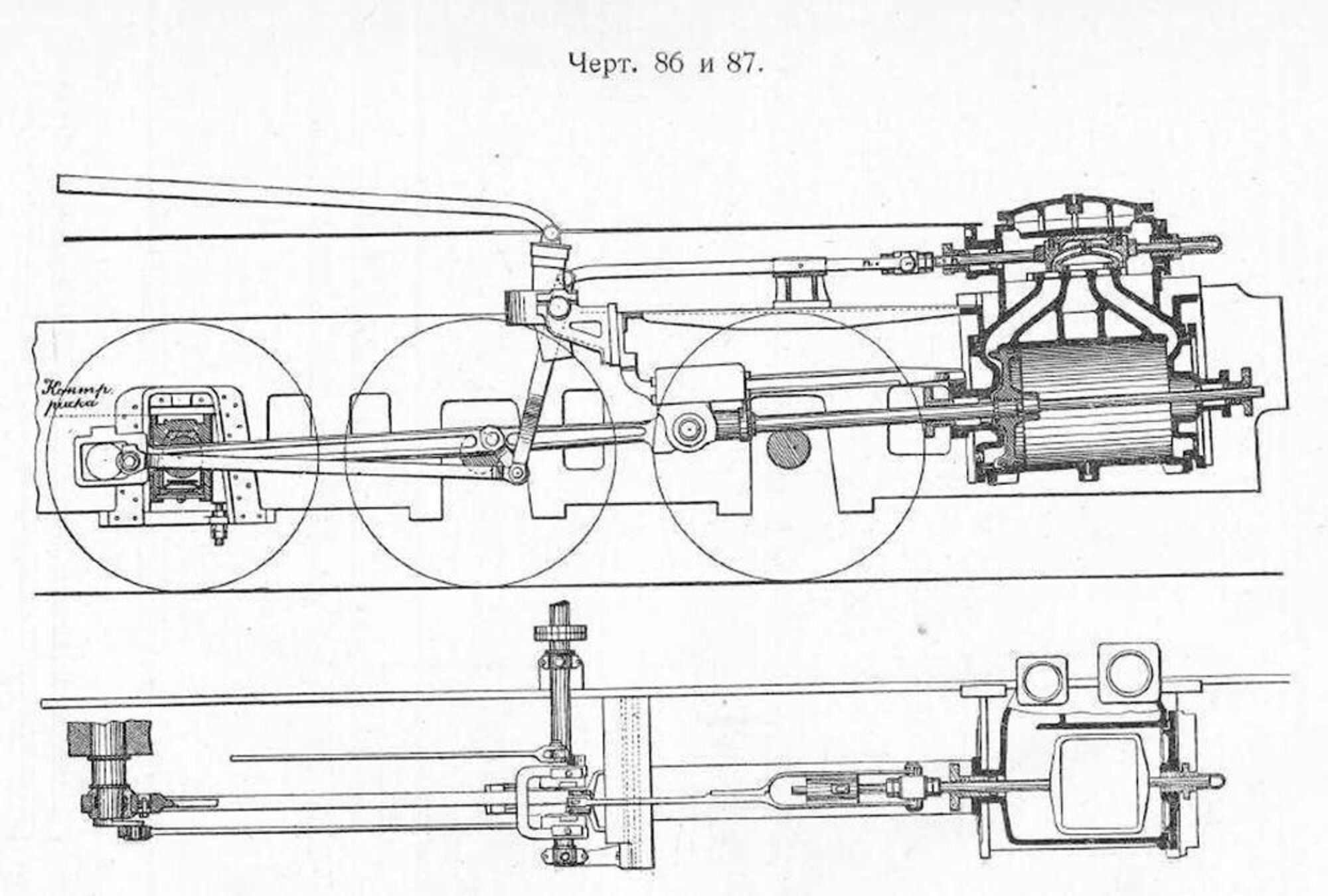
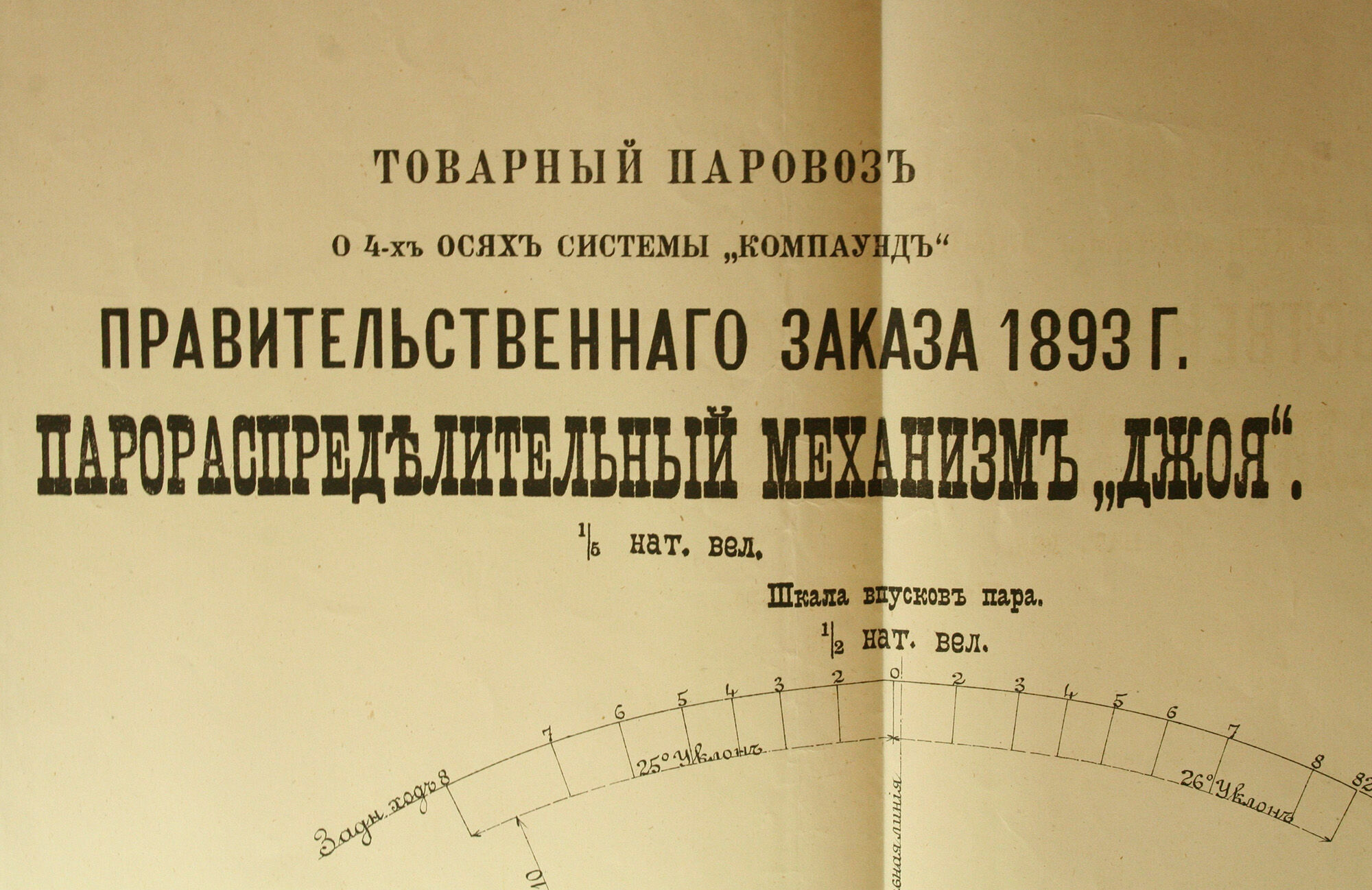
In 1889, the private Vladikavkaz Railway ordered 0-4-0 steam locomotives from the Kolomna Locomotive Works, providing a draft design developed by a railway’s traction service engineer, Wazlaw Lopuschinski. The new locomotive was based on the Kolomna Locomotive Works’ type 31, with the boiler largely unchanged. The underframe was redesigned, and Joy valve gear featuring an externally located rocker was selected. The two-cylinder machine utilized a compound system, in which steam first entered the smaller-diameter high-pressure cylinder (on the right). After being processed in this cylinder, the steam moved into the low-pressure cylinder (on the left), which had a larger diameter.

At the initiative of private railways, a steam locomotive with a Joy valve gear and a compound system was built and recognized as a standard model.

In 1890, the Kolomna Locomotive Works delivered ten new steam locomotives of factory type 39 to the Vladikavkaz Railway. The plant then shortened the length and reduced the number of smoke tubes, resulting in a decrease in the boiler’s heating surface and the adhesive weight, and produced 68 steam locomotives of factory type 40 in 1891 and 1892.

Standard Types

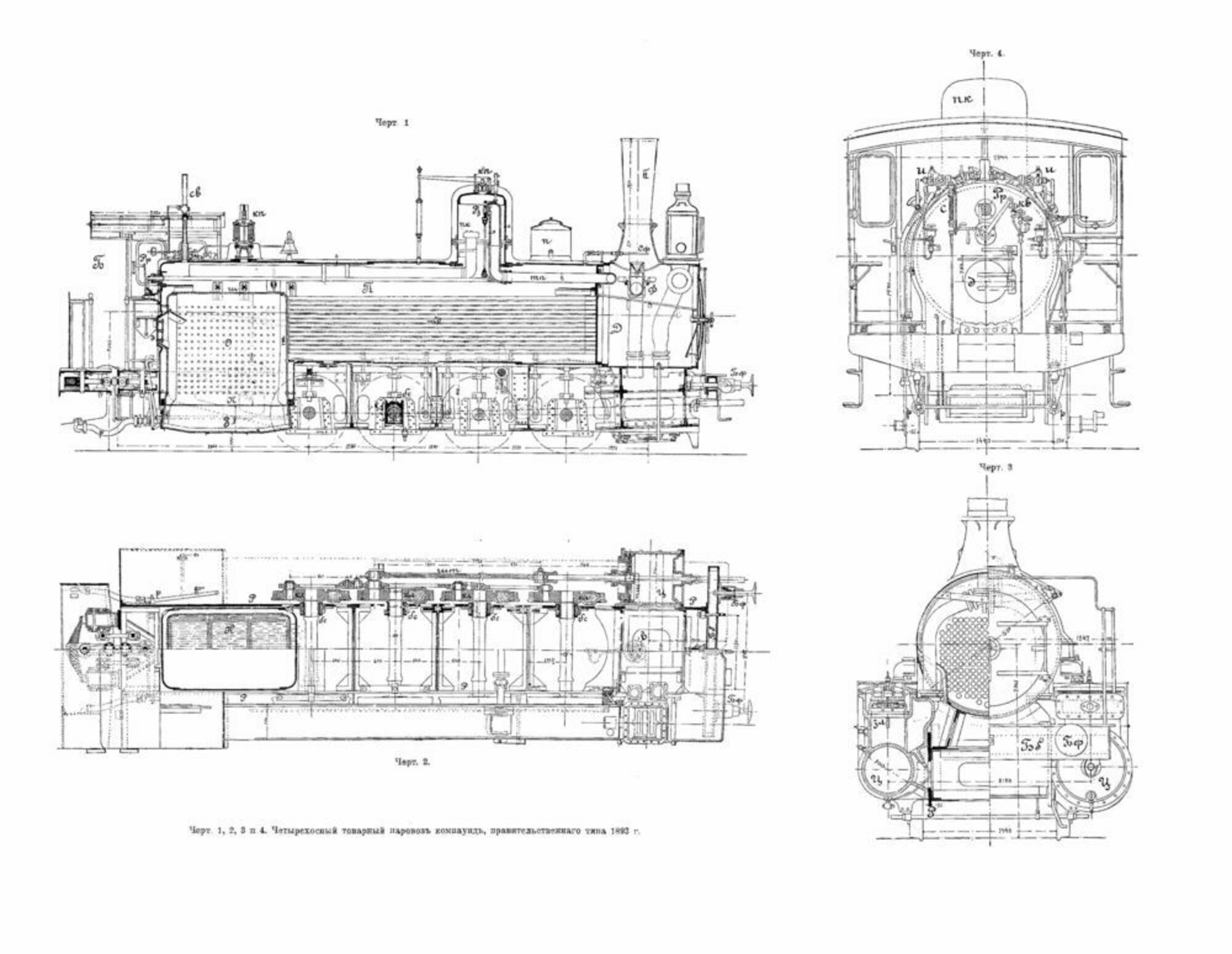
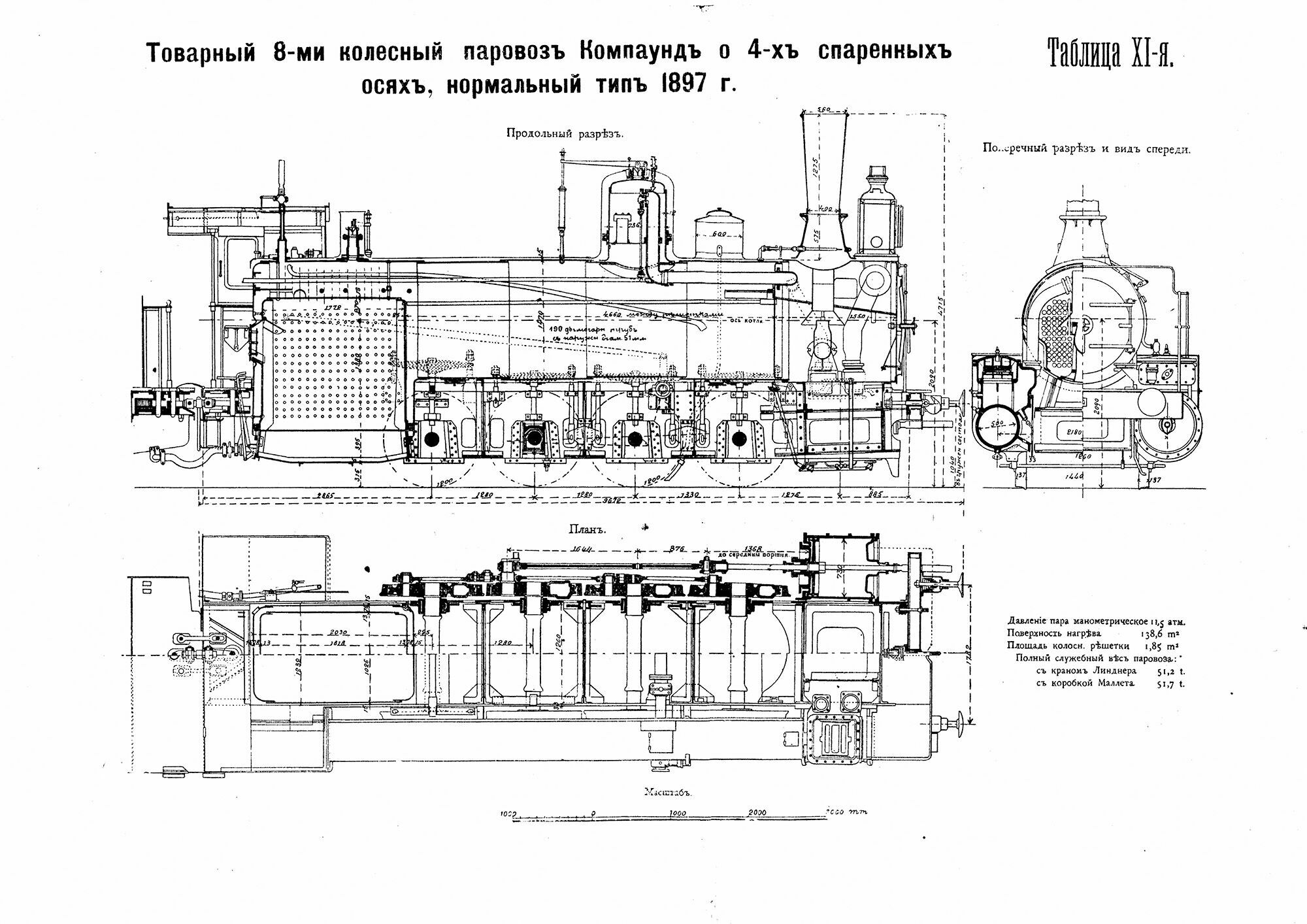
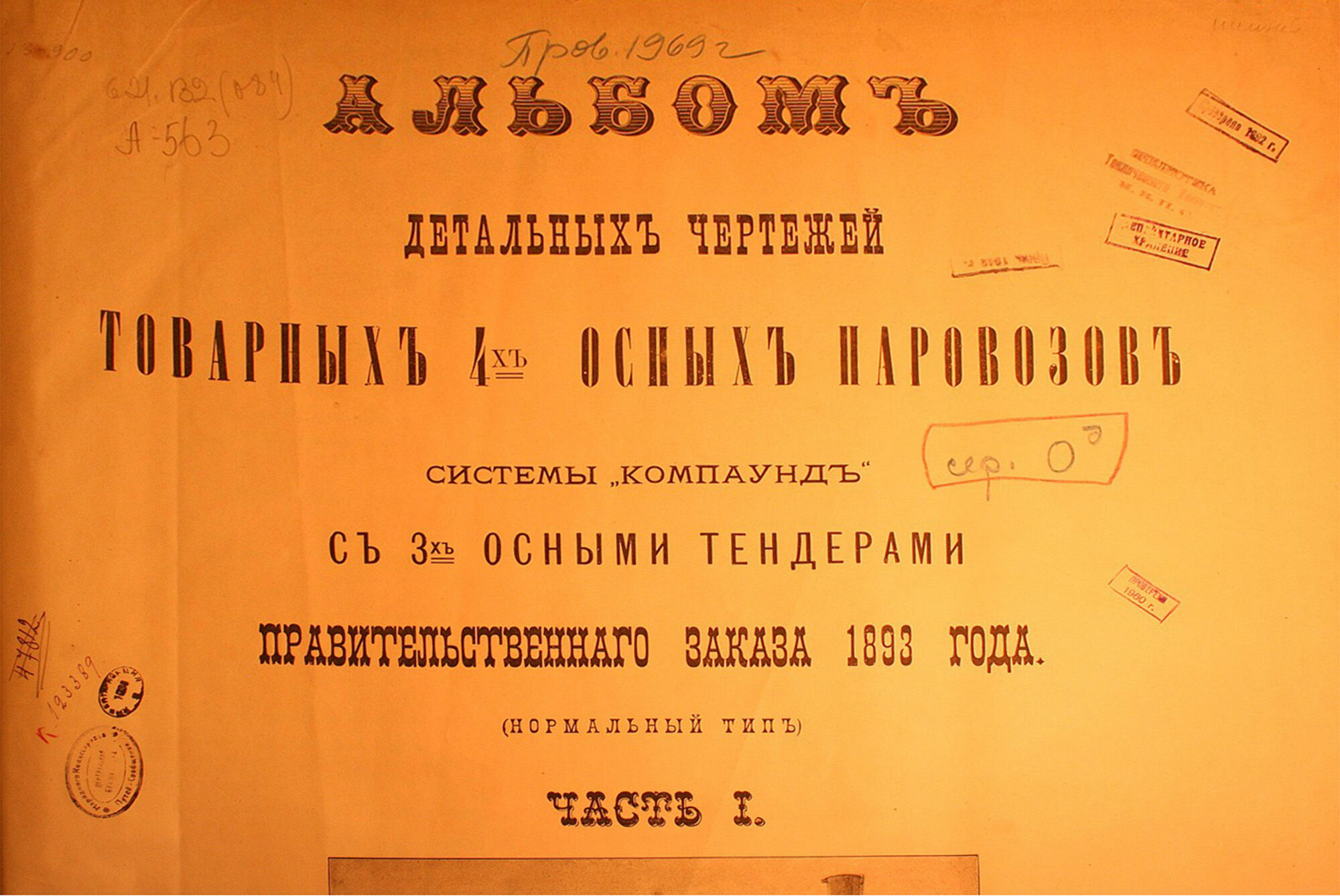
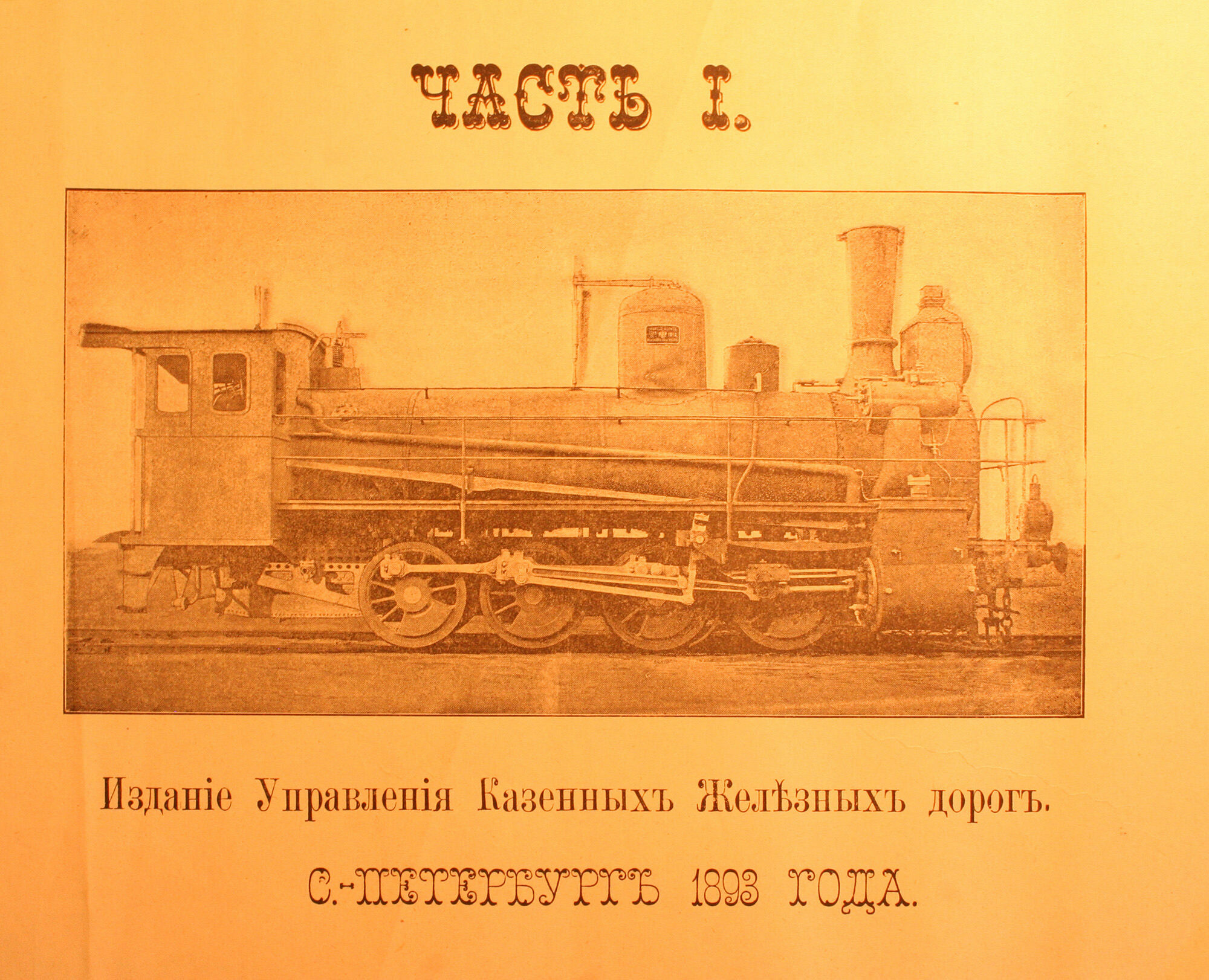
Starting in 1892, the Kolomna Locomotive Works began producing steam locomotives of factory type 50 with a reduced wheel diameter of 1,150 mm. Types 24, 31, 39, and 40 all had a wheel diameter of 1,200 mm. Although the introduction of locomotives with a compound engine and external rocker was initially driven by private railways, this steam locomotive proved so successful that the Rolling Stock and Traction Commission, chaired by Professor Nicolay Shchukin, recognised it as “standard”, meaning it was accepted as the standard for freight steam locomotives. The type 50 steam locomotives from the Kolomna Locomotive Works became known as the standard-type 1892 steam locomotives. Shortly after, the Ministry of Railways proposed a series of improvements, leading to the development of the standard-type 1893.

In 1896, the 17th Advisory Congress of Traction Service Engineers proposed a number of improvements based on the experience of operating standard-type steam locomotives. These proposals included increasing the wheel diameter to 1,200 mm, matching that of the “government reserve” steam locomotives. To maintain the tractive force, it was also necessary to increase the steam pressure. In creating a new design that incorporated congress’s recommendations, the Kolomna Locomotive Works also implemented different cutoffs for the right and left cylinders. The resulting locomotive became known as the standard-type 1897.

A total of 1,373 standard-type 1892 and 1893 steam locomotives and 3,172 standard-type 1897 steam locomotives were built.

Eleven plants produced 1,373 standard-type 1892 and 1893 steam locomotives and 3,172 standard-type 1897 steam locomotives. These machines operated on most of the railways in Russia by the end of the 19th century.


Despite the widespread use of the standard-type 1897 steam locomotives, their deficiencies became apparent during testing and operation. Although the use of a compound engine was theoretically expected to result in fuel savings, locomotives with Joy’s valve gear turned out to be even less economical than the “government reserve” locomotives, which had simpler engines.

Unification

In 1912, Russia implemented a unified system for designating steam locomotive classes. According to it, all steam locomotives with the 0-4-0 wheel arrangement, known as “four-pairs”, and built before the standard-type 1892, were assigned the class Ch. At the same time, steam locomotives of types 24 and 31 (“government reserve” locomotives with in-frame steam distribution) and types 39 and 40 (featuring Joy valve gear and closely resembling the standard-type locomotives) from the Kolomna Locomotive Works were designated as Ch K .


Standard steam locomotives with the 0-4-0 wheel arrangement were assigned the class O, derived from the word “main”. The standard-type 1892 and 1893 locomotives were given the designation O d, while those of the standard-type 1897 were designated as OD. The index referred to Joy valve gear, and the size of the letter in the index indicated differences in wheel diameter. Similarly, the standard-type 1901 and 1904 steam locomotives, which had a Walschaerts valve gear, were designated as O V.

Museum exhibit

The standard-type 1897 steam locomotive with factory number 927 was built at the Bryansk Machine-Building Plant in 1900 for the Yekaterininsky Railway, where it initially received the designation of the class K B and a three-digit number. In 1902, when the numbering order on the railway changed, it received the designation K 1100. In 1912, with the general replacement of the class designations, it was changed to O D 1100. In 1914, when the class O steam locomotives of state-owned railways transitioned to a unified numbering system, it was designated as O D 1080, and its class and number remained unchanged thereafter.

During the construction of the Petrozavodsk–Sorokskaya and Murmansk Railways, it was transferred to this line, which was opened for regular traffic in 1917 under the name of the Murmansk Railway. From 1918 to 1920, it operated on the northern part of this railway, which was initially controlled by interventionist forces and later by the Provisional Government of the Northern Region. In 1920, the People’s Commissariat of Communication Routes in RSFSR regained control over the entire length of the Murmansk Railway.

The life of the O D 1080 steam locomotive was remarkably eventful—it served under the interventionists and the Provisional Government of the Northern Region, transported coal, and operated at the Leningrad hub during the siege.

By 1922, the steam locomotive was employed at the Petrougol Trust. By 1931, it was transferred to the Oktyabrskaya Railway, where it served in the Leningrad–Sortirovochny–Moskovsky and Leningrad–Finlyandsky Depots in subsequent years. During the siege of Leningrad, it operated at the Leningrad hub. In 1961, the locomotive was transferred from the Okulovka Depot of the Oktyabrskaya Railway to the Vyborg Pulp and Paper Mill. In the late 1960s, the steam locomotive returned to the Ministry of Railways routes and was featured in film productions.

Parameters

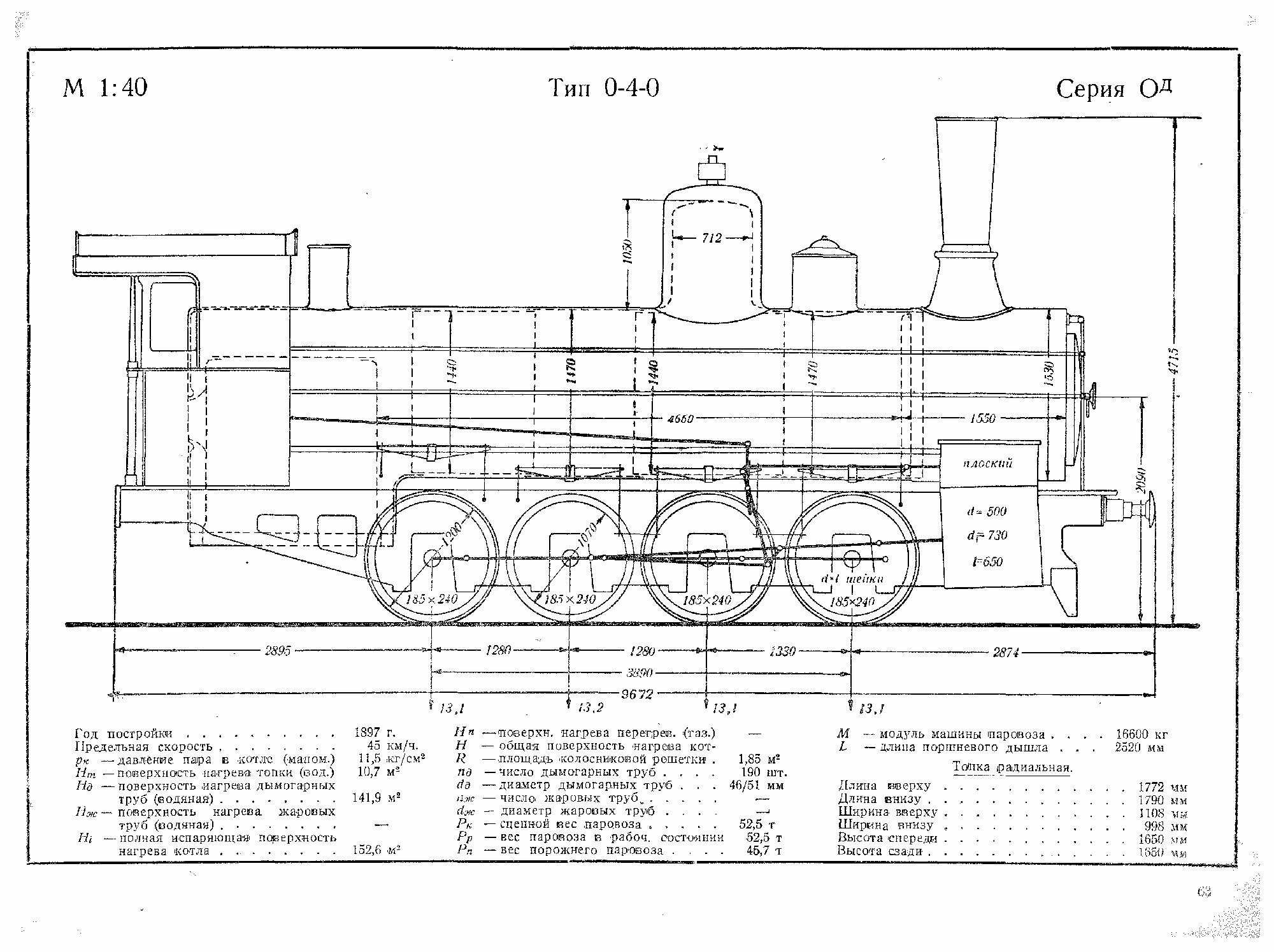
Technical
specifications

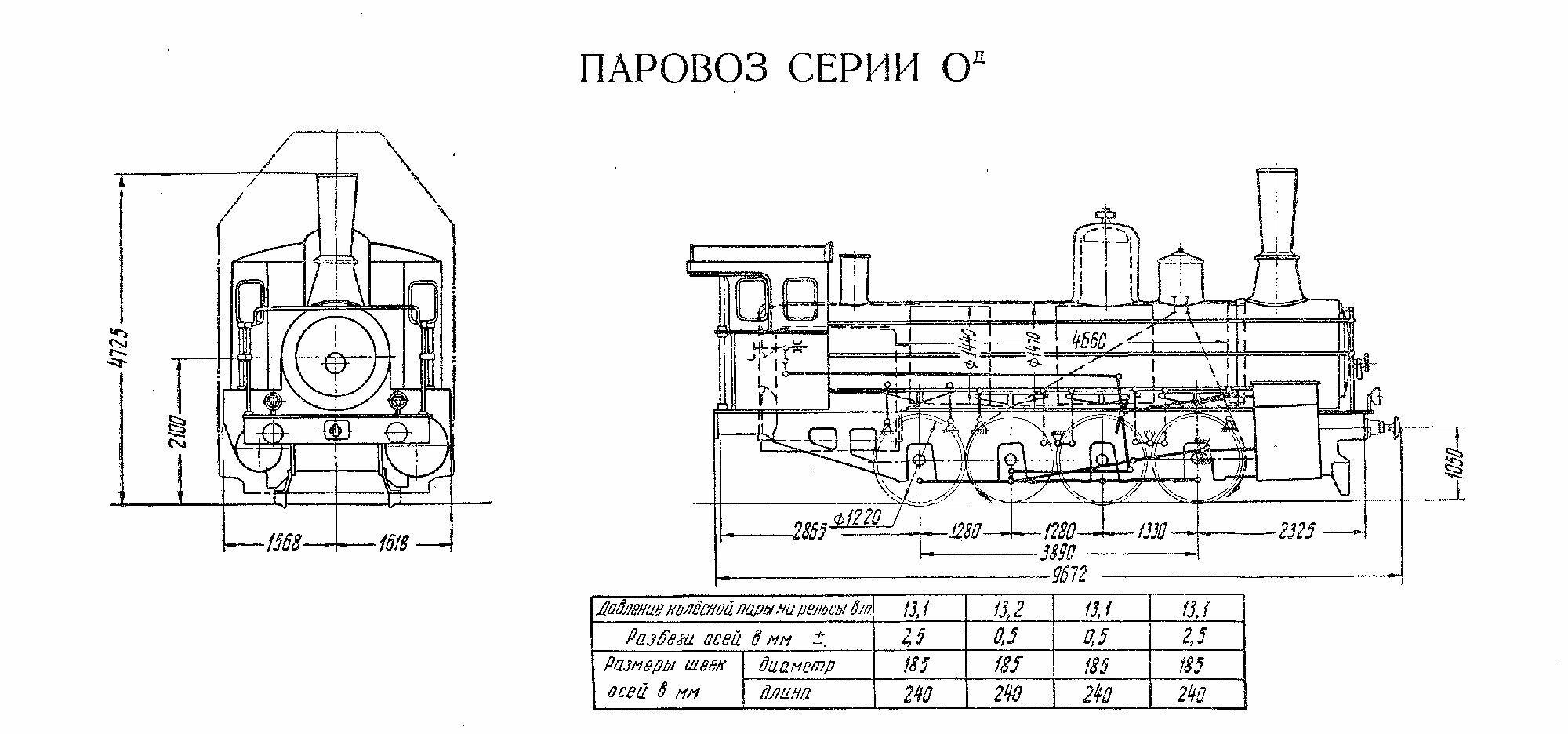
Length of locomotive and tender between buffer ends, mm
16 319
Length of the locomotive, mm
9 672
Unladen weight of the locomotive, t
46,4
Coupling weight of the locomotive, t
52,5
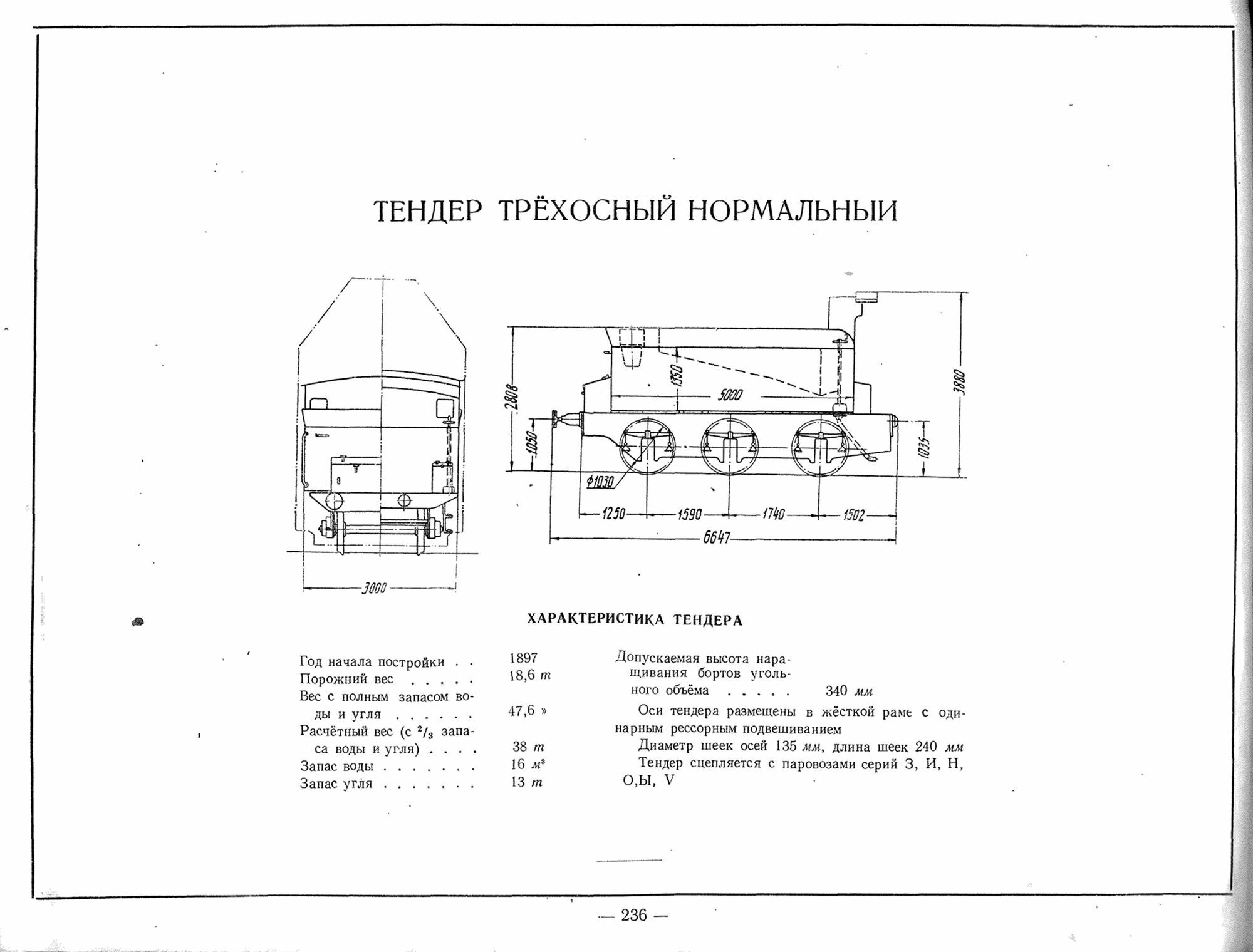
Tender type
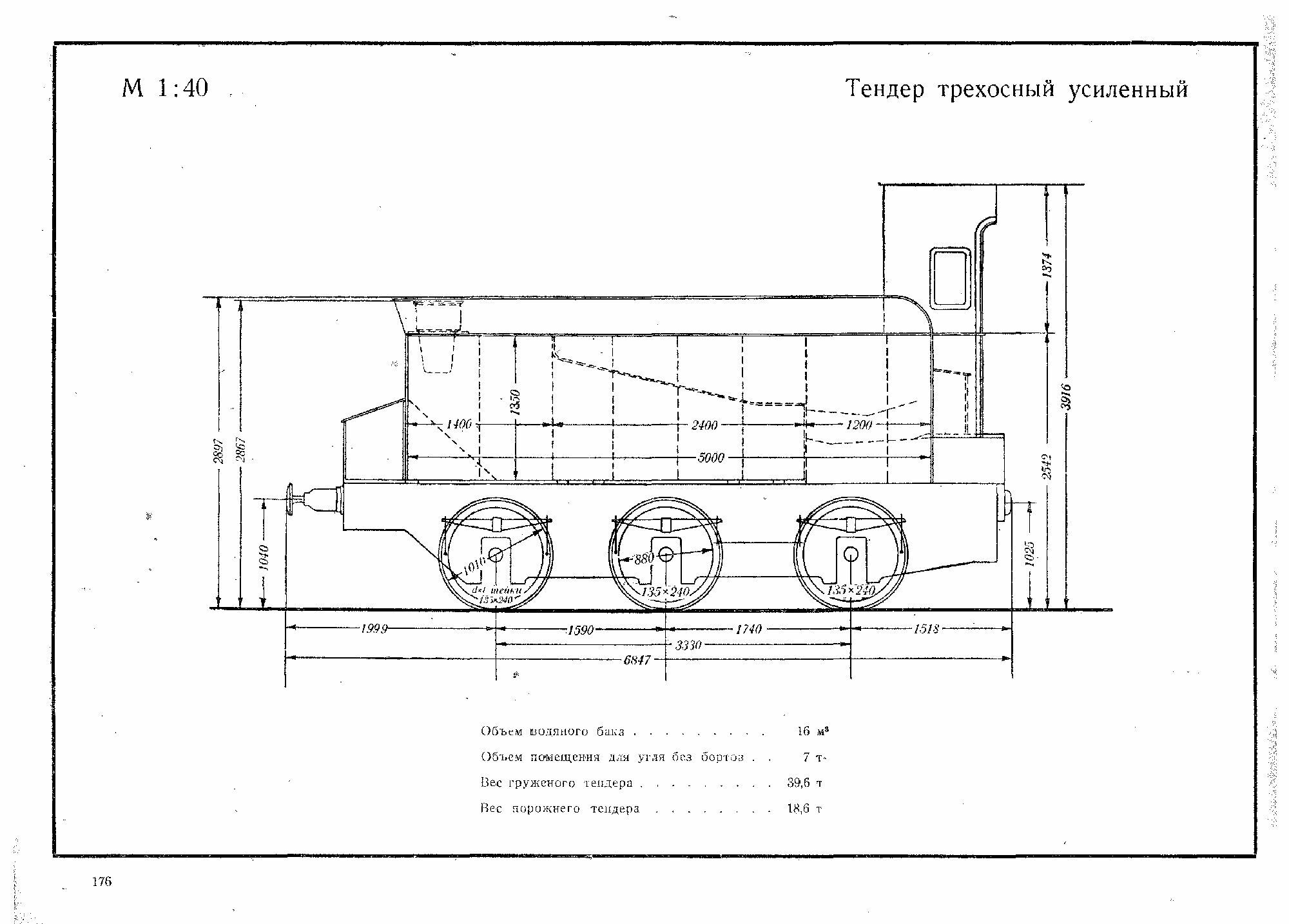
Three-axle
Diameter of moving wheels, mm
1 220
Nominal radius of the curve to be travelled, m
78
Axial formula
0–4–0
Number of smoke tubes, units
51
Distance between the outermost axles (base) of the locomotive, mm
3 890
Elevation of the chimney above the rails, mm
4 715
Maximum width of the locomotive, mm
3 090
Distance between frames, mm
1 260
Distance between the centres of the journals, mm
1 190
Distance between cylinders, mm
2 180
Vapour pressure in the boiler in excess of external pressure, atm.
11,5
Average cylinder diameter of the boiler part, mm
1 470
Boiler wall thickness, mm
15
Length of flue pipes between grilles, mm
4 660
Outer diameter of smoke tubes, mm
51
Internal width of the firebox, mm
1 108
Length of the firebox at the top, mm
1 772
Firebox length at the bottom, mm
1 790
Height of the firebox from the bottom edge of the frame, mm
1 650
Heating surface of the furnace, m2
10,7
Grate area, m2
1,85
Distance between the rear axle of the tender and the front axle of the locomotive, mm
11,630

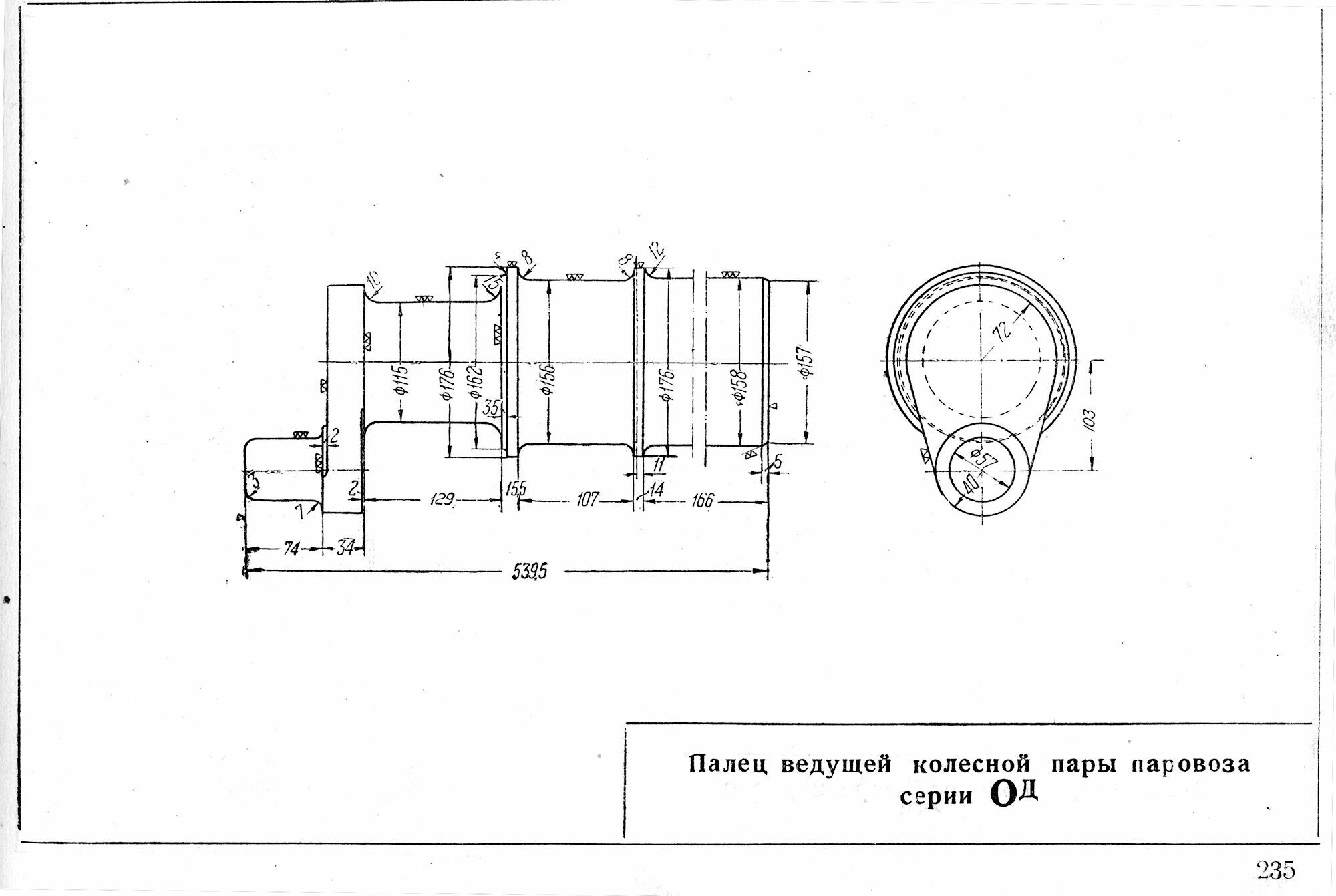
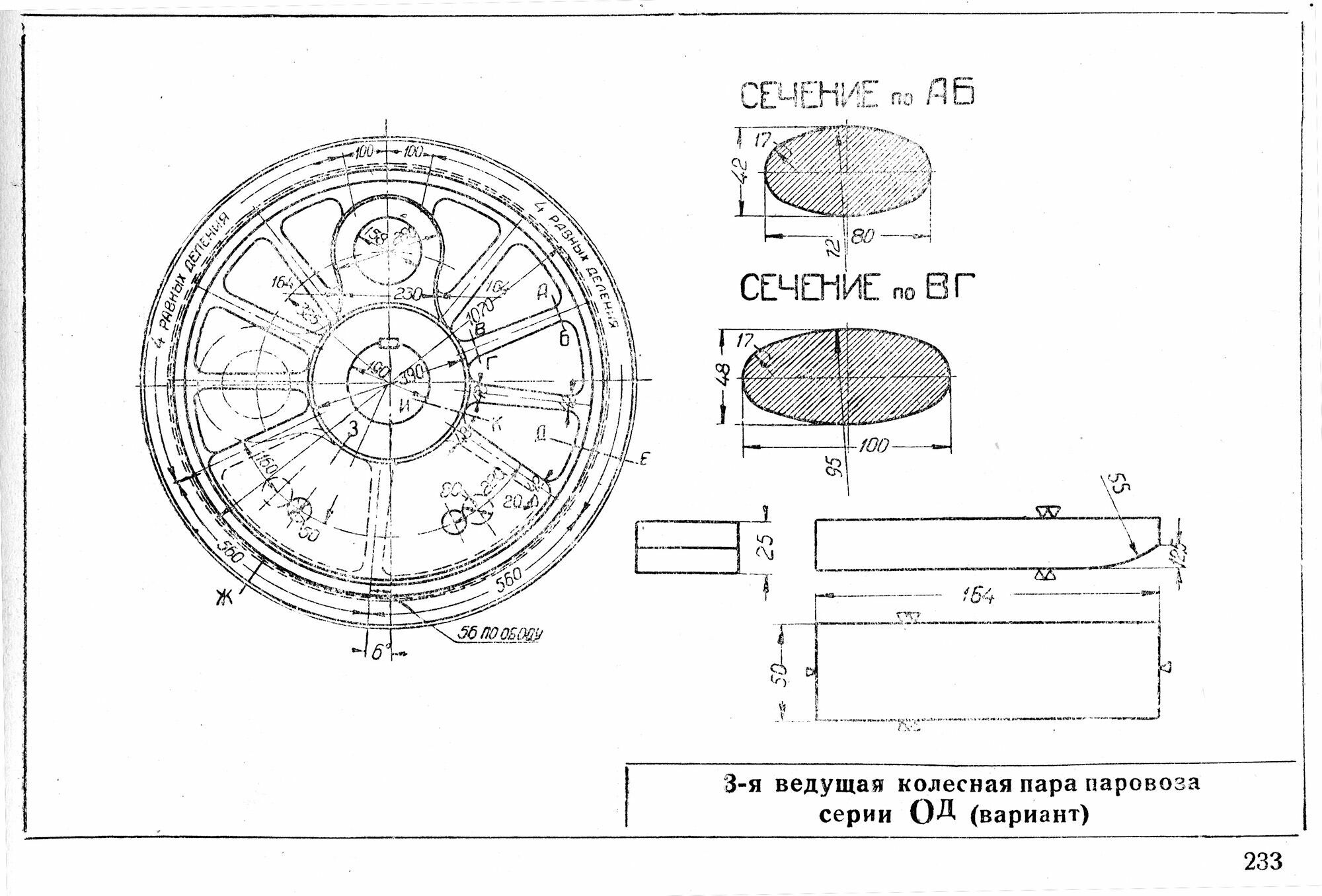
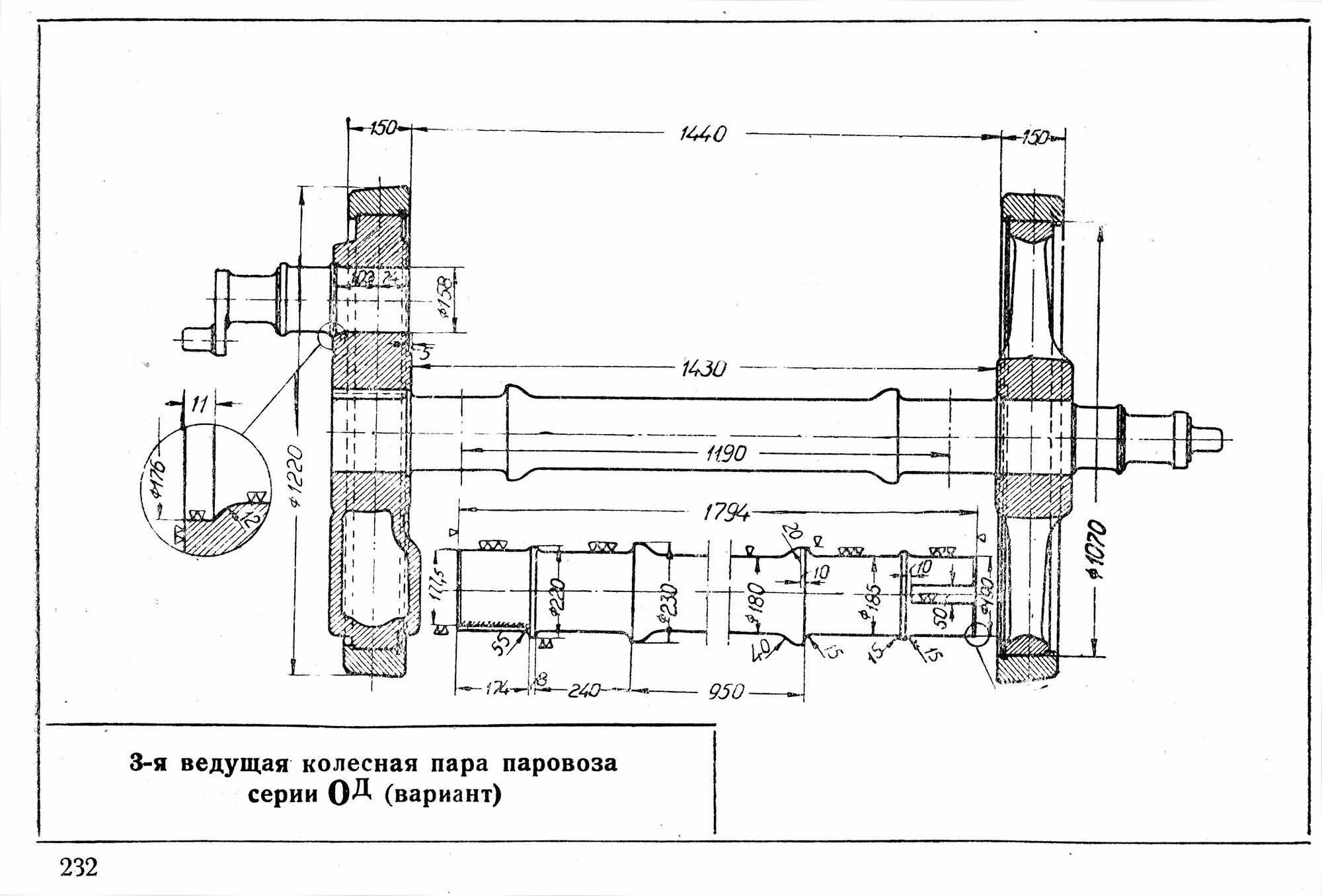
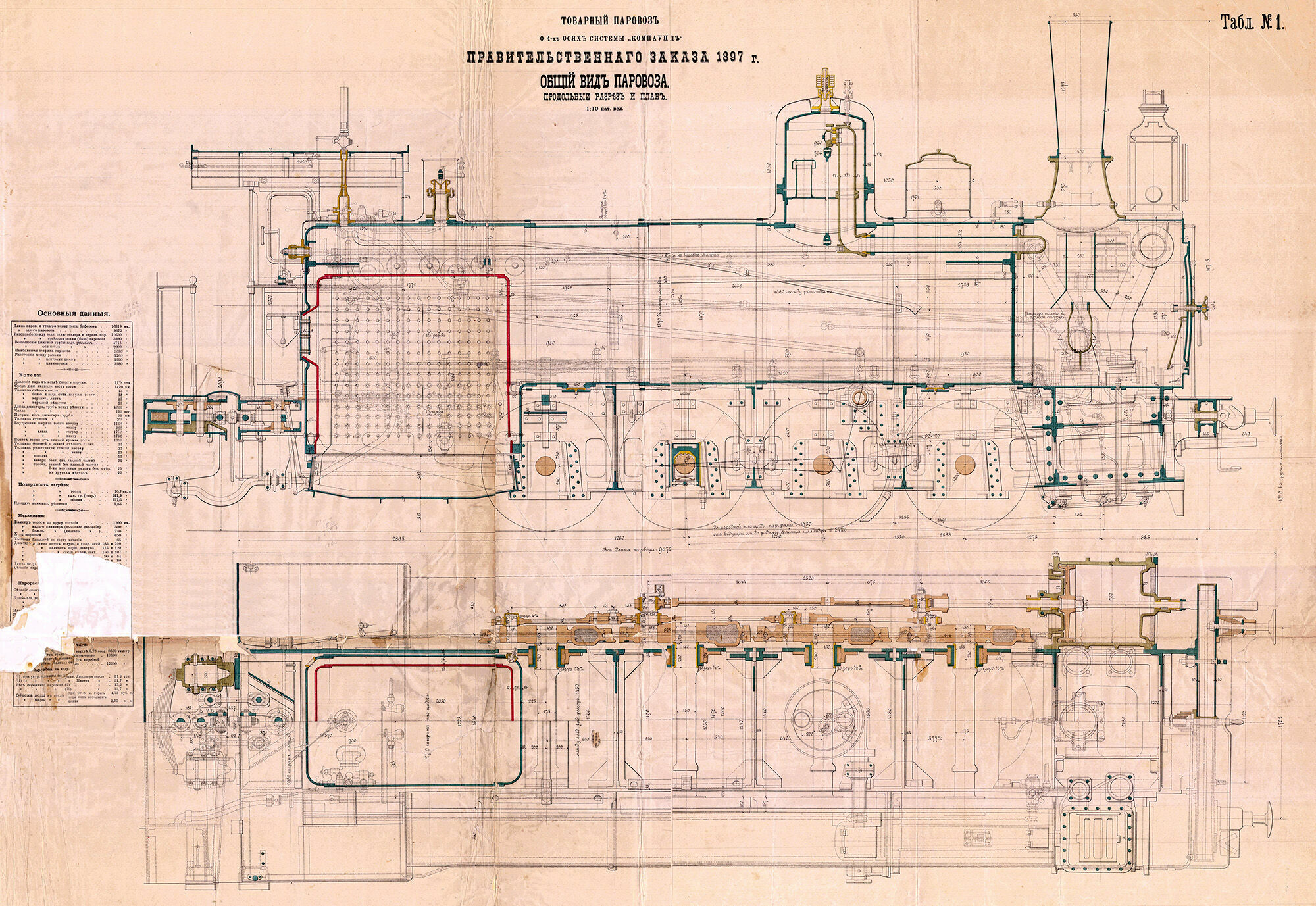
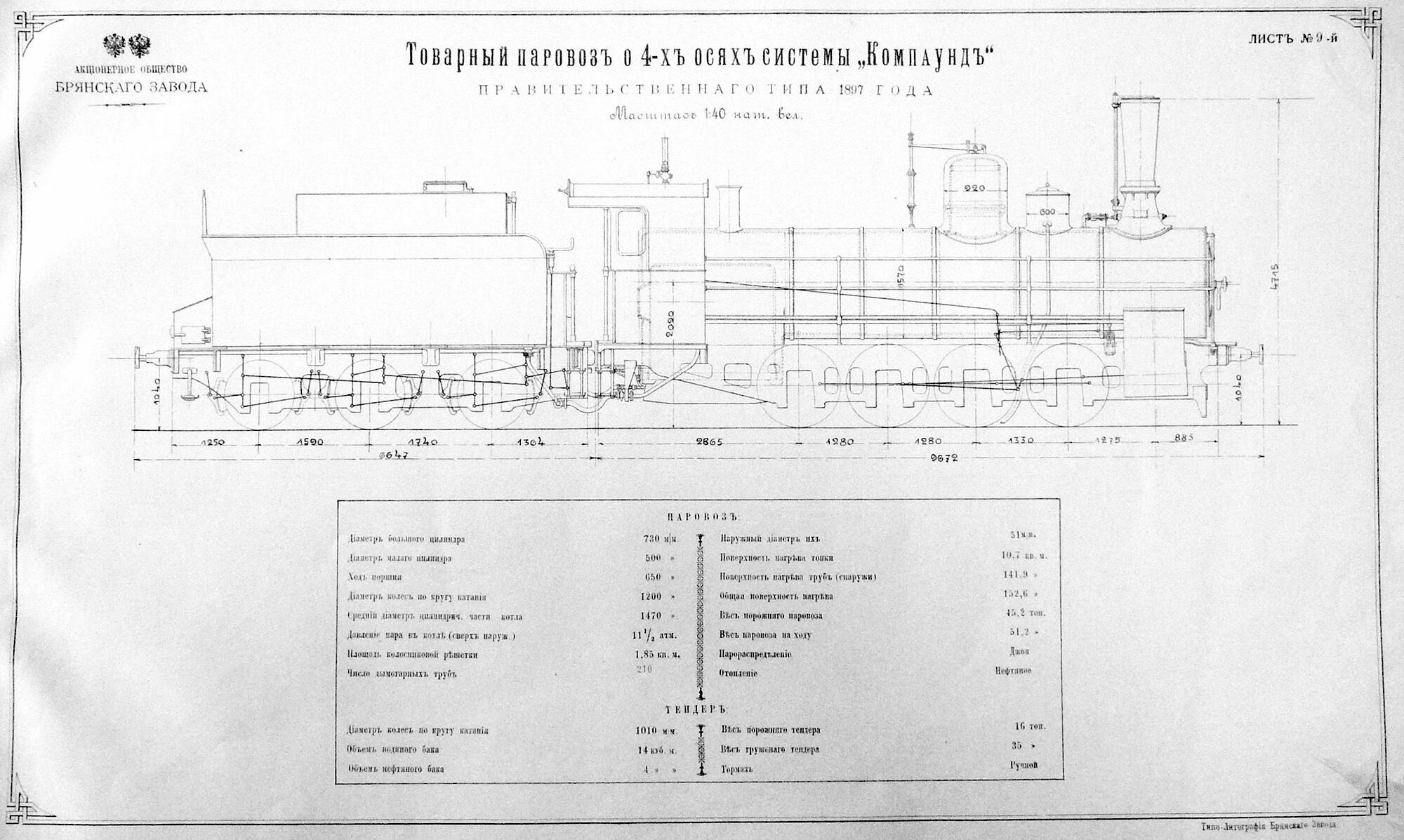
Drawings
and diagrams

History

Chronology

  1. 1889 The private Vladikavkaz Railway ordered steam locomotives with a two-cylinder machine utilizing a compound system from the Kolomna Locomotive Works.
  2. 1900 The standard-type 1897 steam locomotive with factory number 927 was built at the Bryansk Machine-Building Plant (BMZ) for the Yekaterininsky Railway.
  3. 1912 The Russian Empire implemented a unified system for designating steam locomotive classes.
  4. 1914 Steam locomotive number 927 received its permanent designation O D 1080.
  5. 1918–1920 The steam locomotive operated on the northern part of the Murmansk Railway, which was first controlled by the interventionists and then by the Provisional Government of the Northern Region.
  6. 1922 O D 1080 was employed at the Petrougol Trust.
  7. No later than 1931 The steam locomotive was transferred to the Oktyabrskaya Railway at the Leningrad–Sortirovochny–Moskovsky and Leningrad–Finlyandsky Depots.
  8. 1960 The O D 1080 locomotive returned to the Ministry of Railways routes and was used in filming.
  9. 1961 The O D 1080 steam locomotive was transferred from the Okulovka Locomotive Depot of the Oktyabrskaya Railway to the Vyborg Pulp and Paper Mill.
  10. Till 1980 The O D 1080 locomotive was located at the Leningrad–Sortirovochny–Vitebsky Locomotive Depot.