Today the museum is open from 10:00 to 18:00

Map

Exhibit description

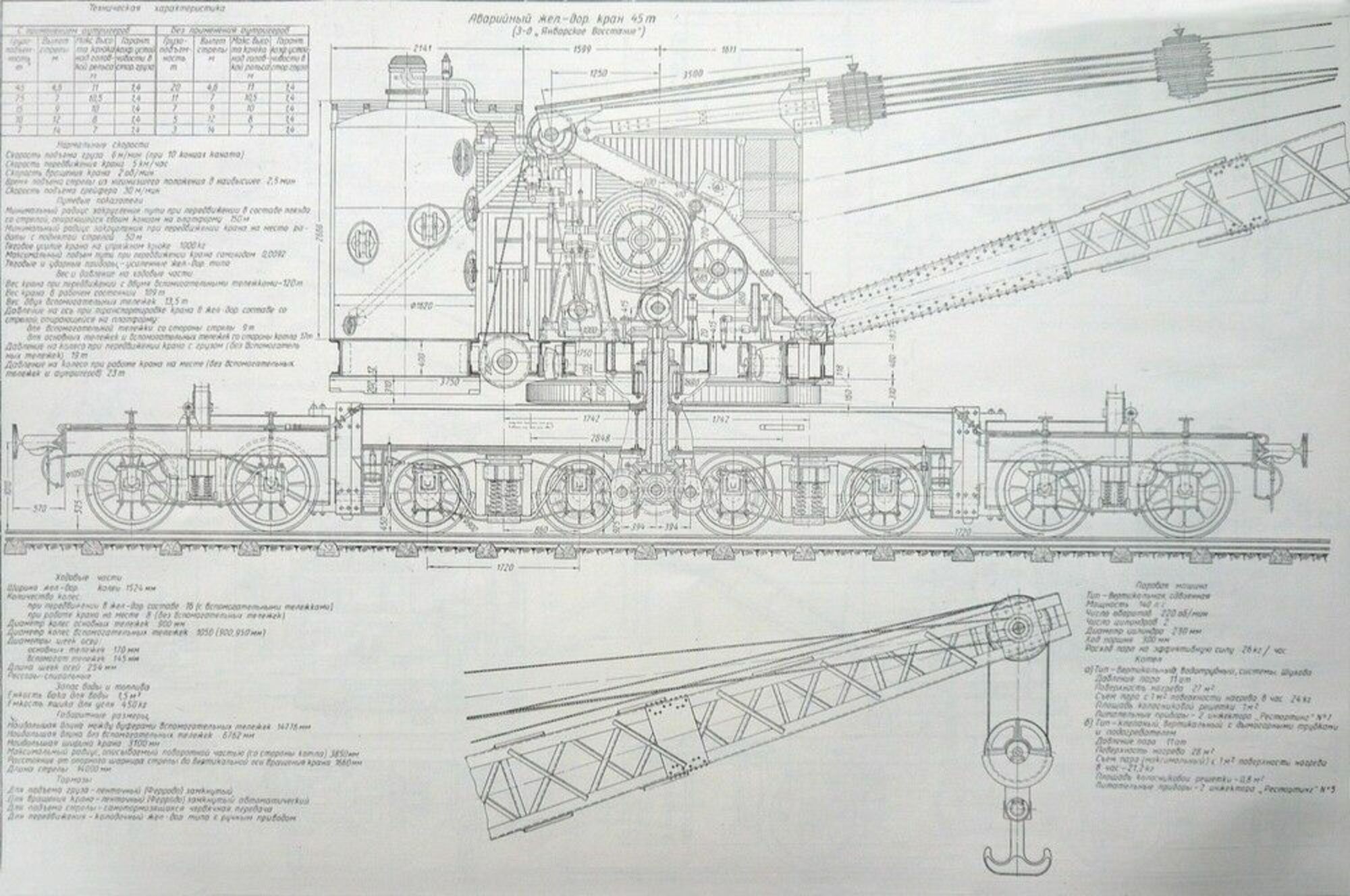
Railway crane J 45-71 "January"

Repair shops

Odessa heavy crane building plant named after Yanvarsky Vosstaniya — a large enterprise of heavy engineering in the USSR. It was founded in 1863 and served as the main railway workshops of the Odessa-Baltic railway, which was still under construction. This road was opened on December 4 1865

The workshops were engaged in the repair of steam locomotives and carriages. At the same time, in 1895–1896 they built six steam locomotives with a tandem-compound machine according to the design of the engineer of the Southwestern Railways A.P. Borodin.

In 1930 the workshops were transformed into a crane-building plant. In 1932 a six-ton ​​steam crane on a railway chassis "Yanvarets-1" was designed and manufactured, which became the first-born of serial domestic crane-building.

From 1933 to 1937 the plant built about 2,500 copies of two-axle broad-gauge motor locomotives with the engine of the Chelyabinsk Tractor Plant "Stalinets-60", in 1934–1936. — about 1,500 more two-axle narrow-gauge (750 mm) railcars based on the SHTZ 15/30 tractor, as well as three-axle railcars for 750 mm track with the ChTZ Stalinets-60 engine.

During these years, the plant produced two types of steam crawler excavators, platform cars and tank cars for various purposes.

During the pre-war five-year plans, the plant created and improved crane designs. During this time, cranes with lifting capacities of 6, 15, 20, 45 tons were produced.

In July 1941 the plant was evacuated, most of the equipment was sent by trains to the Kirov machine-building plant May 1 and to Kurgan.

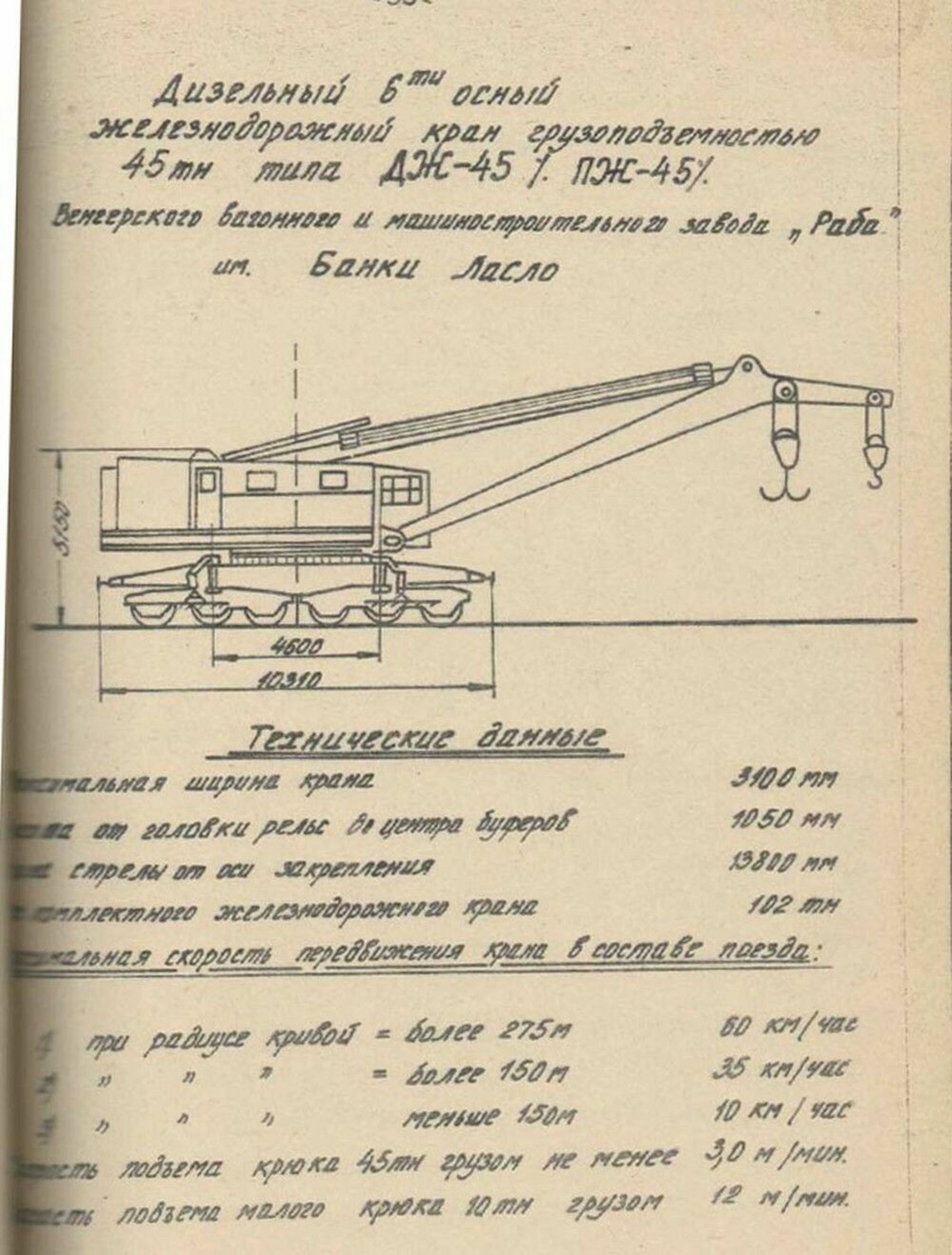
Similar cranes were also produced at the Votkinsk and Kovrov plants under the designations PZh-45 and DZh-45. In 1939 the production of all 45-ton cranes was stopped after they filled the recovery trains. In the 1950s and later, "Yanvarets" were built with a lifting capacity of 25 tons.

Museum exhibit

Railway crane ПЖ-45 (steam railway, lifting capacity 45 tons) "Yanvarets" manufactured in 1939. Converted from a steam crane to a diesel ДЖ-45 in 1966. Entered the museum from the recovery train ВП-3453 of the station. Gatchina in 1996.

During these same years, the plant produced two types of steam crawler excavators, platform cars, and tank cars for various purposes.

Parameters

Technical
specifications

Crane weight, t
120
Year of reconstruction to type J-45
1966
Crane weight with additional trolleys, t
134
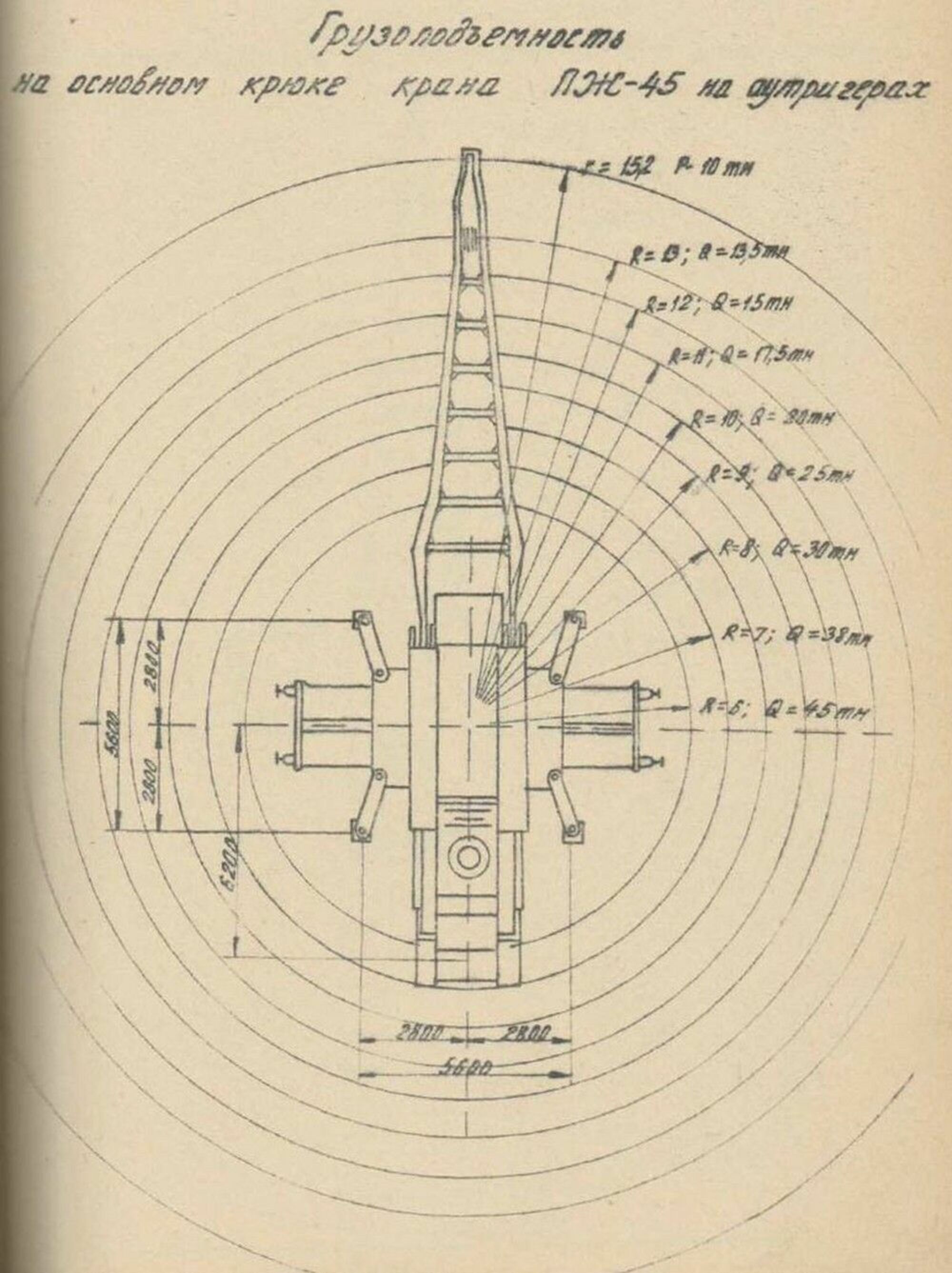
Maximum main boom lifting capacity, t
45
Steam engine power, hp
140
Movement speed under own steam, km/h
8,3
Year of upgrade to Type DZh45
1966

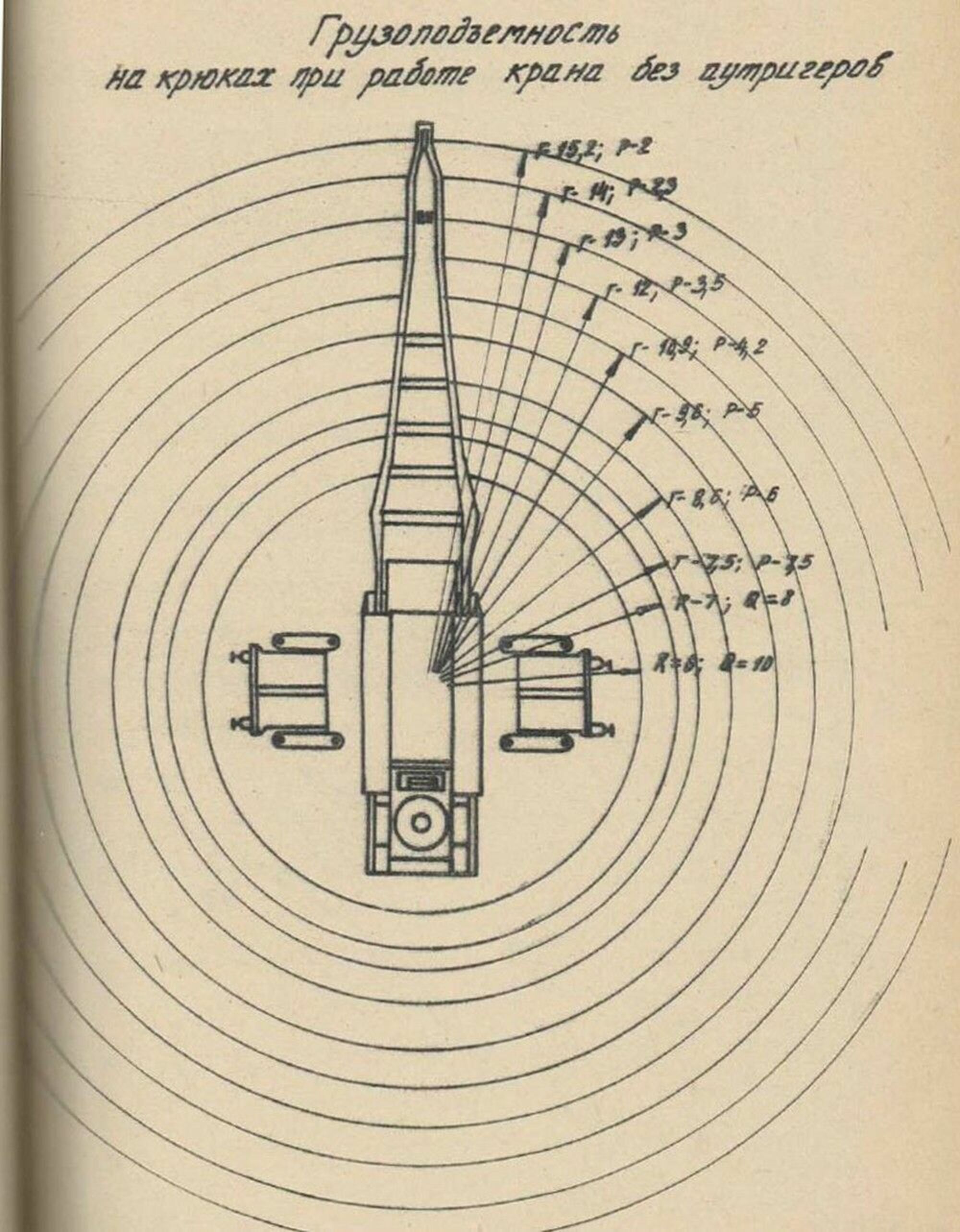
Drawings
and diagrams

History

Chronology

  1. 1863 The Odessa Heavy Crane Plant named after the January Uprising is a large heavy engineering enterprise in the USSR. It was founded in 1863 as the main railway workshops of the Odessa-Baltic Railway, which was still under construction. The road was opened for regular traffic on December 4, 1865. Subsequently, it changed names, owners, and in 1870 it became Odessa, and in 1878 it became part of the Southwestern Railways. In 1895, it was bought out by the treasury from the Russian Society of Shipping, Trade and the Odessa Railway.
  2. 1895–1896 The workshops were engaged in the repair of locomotives and cars. At the same time, in 1895-1896, the workshops built 6 steam locomotives of the 2-2-0 type with a tandem-compound machine. They were built according to the design of the engineer of the Southwestern Railways A. P. Borodin.
  3. 1923 In November 1923, the main railway workshops were renamed the January Railway Workshops in honor of the 5th anniversary of the uprising in Odessa in January 1918.
  4. 1929–1940 During the pre-war five-year plans (1929–1940), the plant created and improved crane designs. During this time, they produced cranes with lifting capacities of 6, 15, 20, and 45 tons.
  5. 1930 In 1930, the workshops were transformed into a crane-building plant. In 1932, the "Yanvarets-1" was designed and manufactured - a steam 6-ton crane on a railway chassis. It became the first-born of serial domestic crane construction.
  6. 1933 From 1933 to 1937, the plant built about 2,500 units of two-axle broad-gauge motor locomotives with the "Stalinets-60" engine of the Chelyabinsk Tractor Plant. In 1934–1936, it built about 1,500 more units of narrow-gauge (750 mm) two-axle motor locomotives based on the SHTZ 15/30 tractor, as well as three-axle motor locomotives for a 750 mm gauge with a ChTZ Stalinets-60 engine.
  7. 1939 Similar cranes designated PZh-45 and DZh-45 were also produced at the Votkinsk and Kovrov plants. In 1939, production of all 45-ton cranes was stopped after the recovery trains were filled with them. In the 1950s and later, the "Yanvarets" were built with a lifting capacity of 25 tons.
  8. 1939 Railway crane PZh-45 "Yanvarets" manufactured in 1939. PZh-45 is a steam railway crane with a lifting capacity of 45 tons. It was converted from a steam crane to a diesel DZh-45 in 1966. It was received by the museum from the recovery train VP-3453 at Gatchina station in 1996.
  9. 1941 In July 1941, the plant was evacuated, and most of the equipment was sent by train to the 1 Maya Machine-Building Plant in Kirov and to the city of Kurgan. The restoration of the plant began after the city was liberated from the occupiers in 1944.