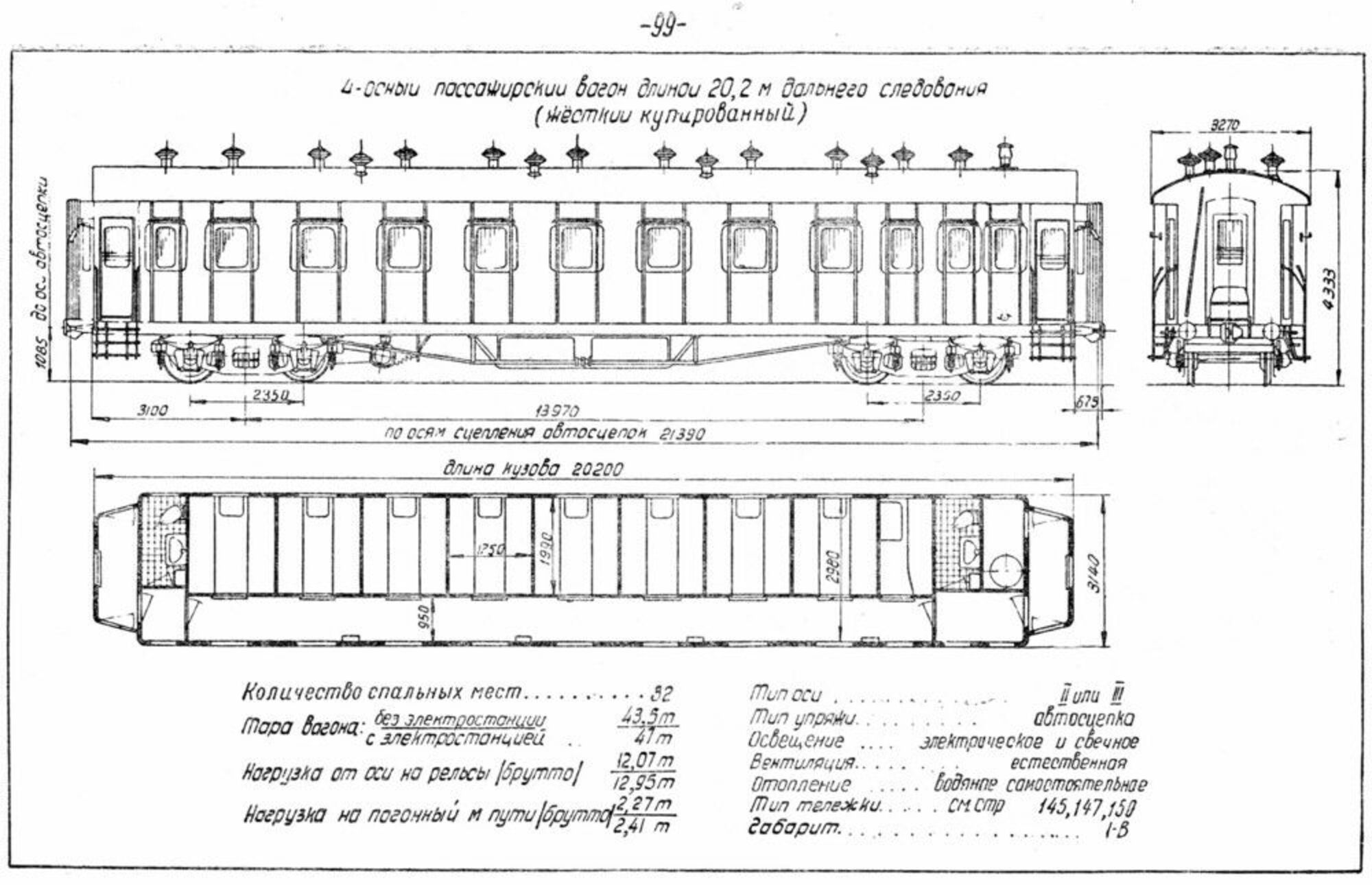
In 1928 the carriage-technical office of the Krasny Putilovets plant developed a project for a rigid compartment passenger carriage 20.2 m long, based on the 20 m long model of the state-owned railways.
At the same time, the length of the body without vestibules increased by 300 mm, the vestibules were slightly narrowed from 940 to 890 mm, and the frame was lengthened by 200 mm. These changes did not affect the width of the compartment, it remained 1,750 mm wide. The design of the carriage itself was typical for that time. The cars had a completely metal riveted frame (later welded), to prevent its deflection and increase strength, a truss was installed under the side channels. Unlike the car with a length of 20 m, the frame had two central ridge beams, which allowed the installation of an automatic coupling.
Brake .equipment —. manual (parking) and pneumatic Westinghouse systems. The body is classic wooden, covered with sheet iron. Heating of the car from an individual water boiler. The car had two toilets, a compartment for the conductor, a boiler room. To accommodate passengers in the car there were eight four-berth compartments, for a total of 32 passengers.
The front walls of the carriage housed a sliding door and a wide transition platform with vestibules for placing a transition canvas accordion. Natural ventilation was provided by deflectors designed by engineer Korshunov. This type of deflectors became very widespread and was subsequently installed on almost all passenger carriages built before the Great Patriotic War. Lighting was provided by electric ceiling lamps.
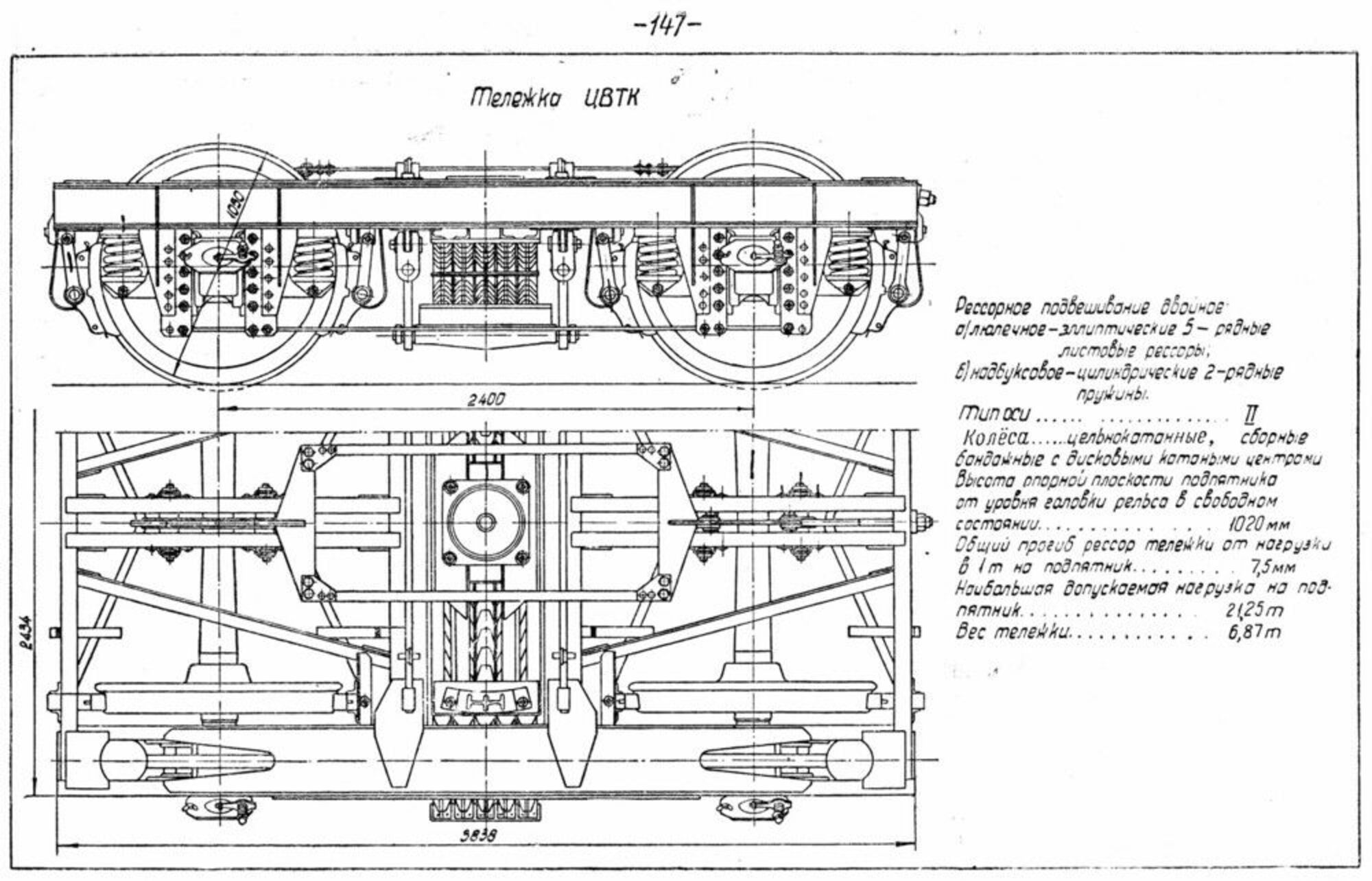
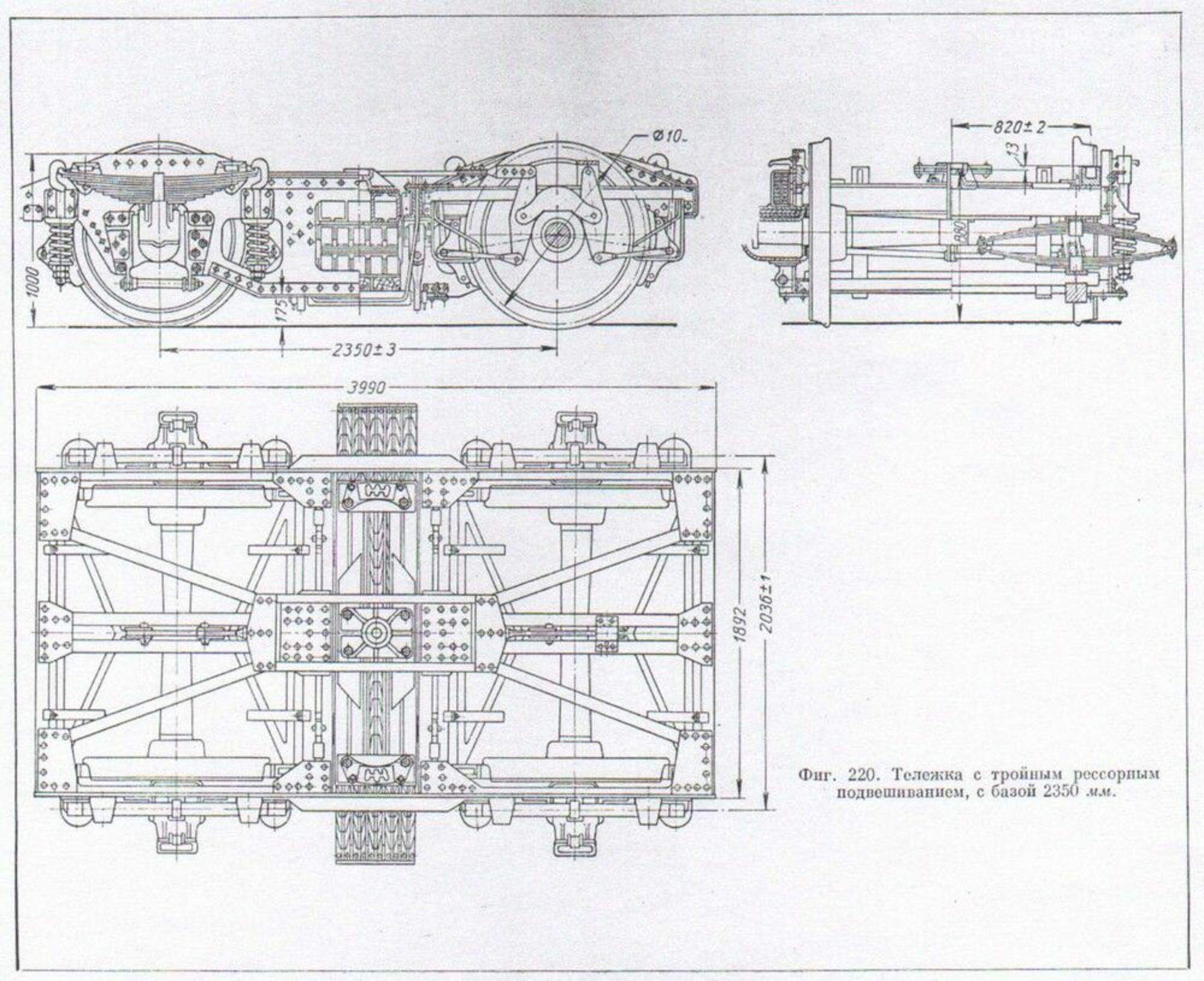
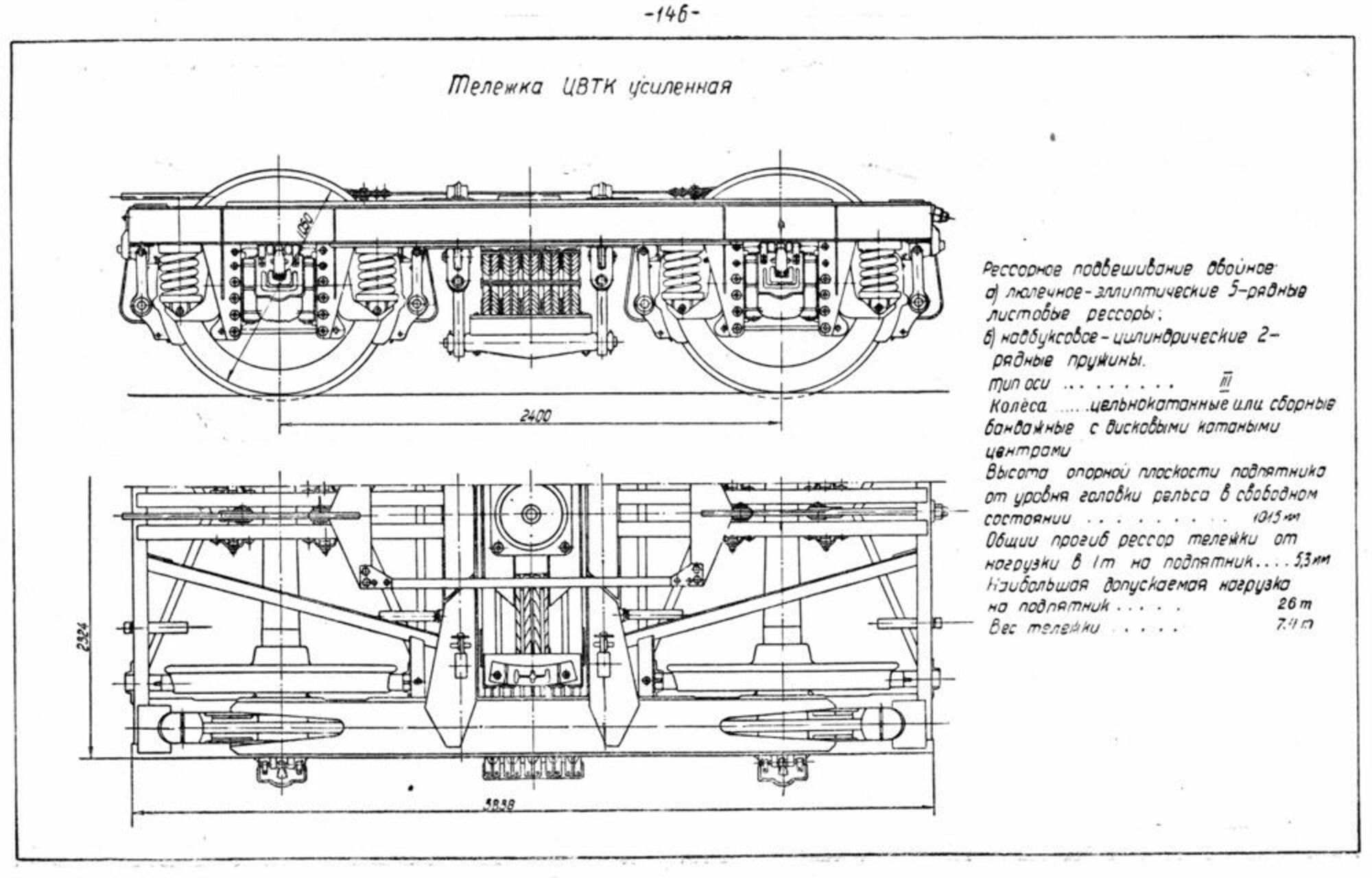
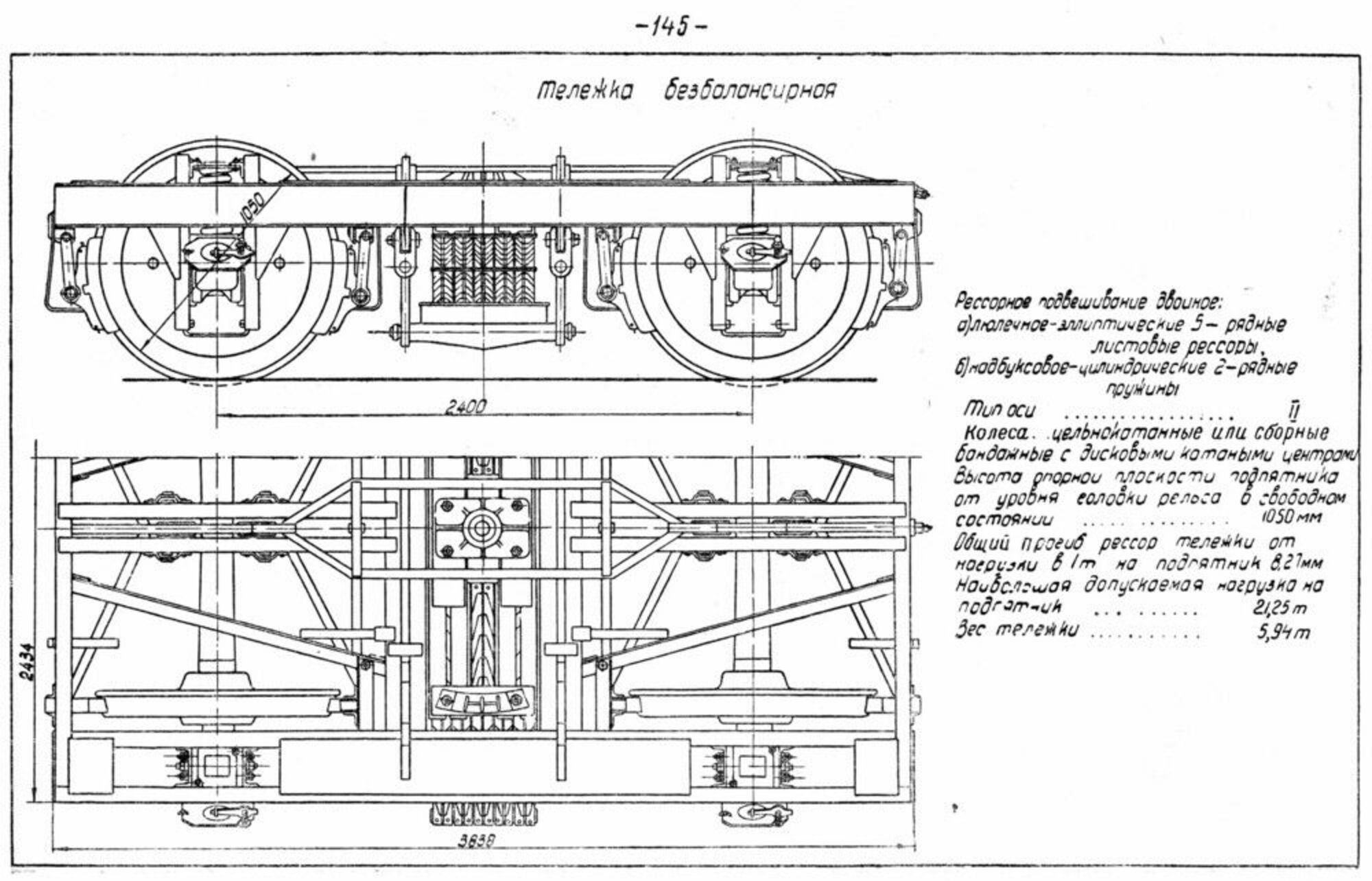
A newly developed triple-suspension bogie of the so-called resort type was initially rolled under the carriages. During the construction of the carriages, it was abandoned and, starting in 1936, a simplified balance-free bogie designed by the I.E. Egorov Plant was installed. Later, more advanced bogies of the TsVTK and reinforced TsVTK types were installed under the carriages.