Today the museum is open from 10:00 to 18:00

Map

Exhibit description

Special railway equipment № 971-7518

Conflict history

By the beginning of the Great Patriotic War, armored trains remained in service. Then, railway air defense batteries were deployed, and a number of new armored trains were built. In the first years of the war, they were used to cover the withdrawal of troops, protect bridge crossings, stations, etc.

Armored trains could no longer resist aviation forces; the presence of armored air defense platforms could not increase survivability due to poor mobility and maneuverability.

They had only two twin 7.62 mm Maxim machine guns on the locomotive tender and a quadruple mount on a SPU-BP platform. There were 28 such platforms in total.

In 1941–1942 armored trains suffered heavy losses, but the situation changed in 1943, when they began to be used to protect railway communications in the operational rear and they ceased to be one of the priority targets for enemy attacks.

The Bryansk Profintern Plant, the only one that produced armored trains before the war, had to be evacuated to Krasnoyarsk. Therefore, construction of new ones began at locomotive and carriage repair plants and at railway depots.

As a result of the evacuation of the plants, the production of air defense armored platforms had to be moved to the Kanash Carriage Works. As a result, due to a lack of materials, production began at the Stalmost plant in Ramenskoye. Until the end of the war, this plant remained the main enterprise for the production of air defense platforms.

Two 37-mm automatic cannons were installed on the platforms. There were other options, depending on the availability of weapons. Due to the acute shortage of air defense sites, they were built by their own efforts, they could be equipped with 25-mm and 37-mm guns, 12.7-mm DShK machine guns and the same quadruple systems with Maxim machine guns.

Museum exhibit

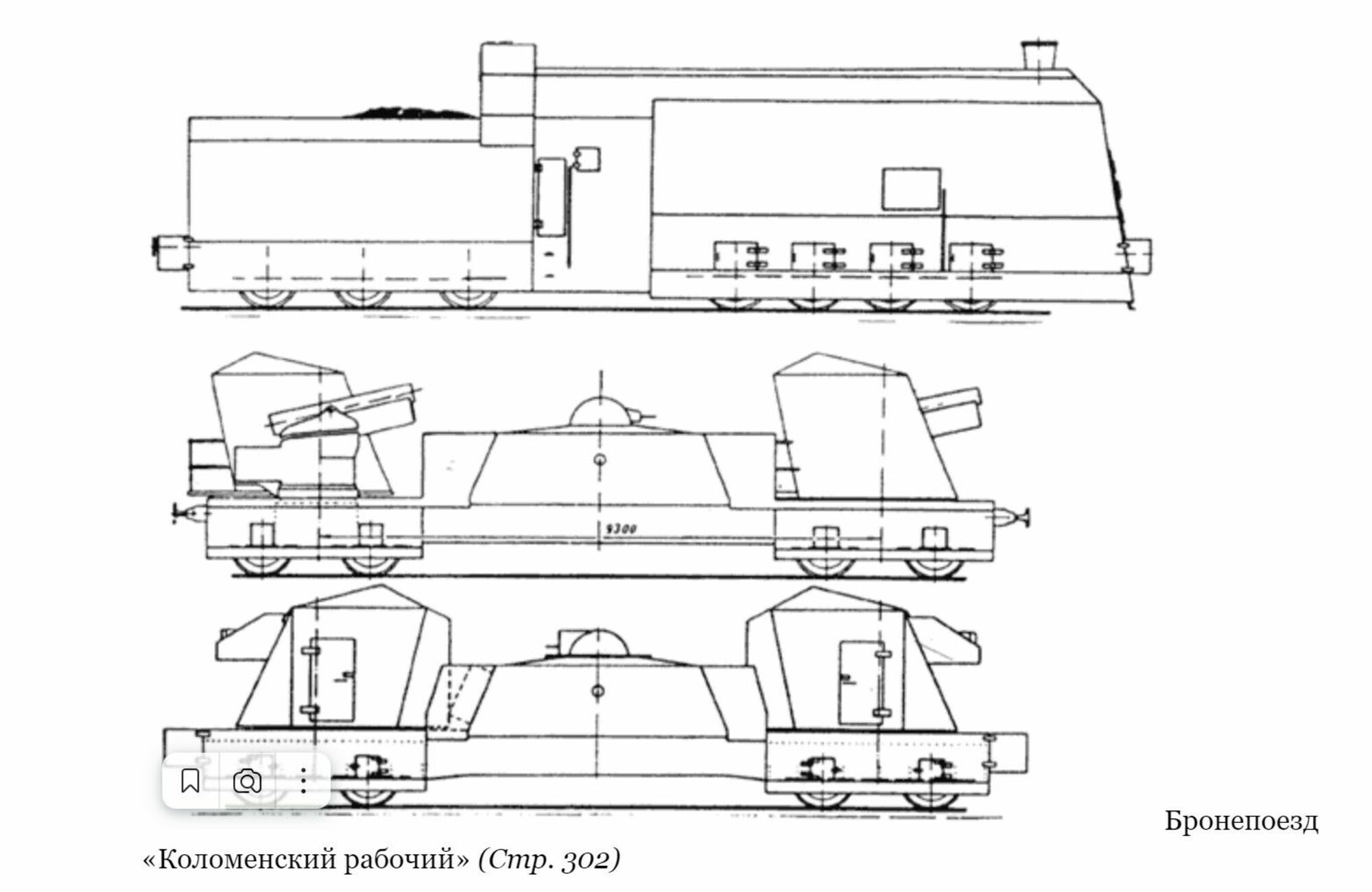
The four-axle anti-aircraft armored platform, located in the museum, was manufactured in 1941–1942 at the Kolomensky Plant on the basis of a four-axle platform built at the Pravda Carriage Works in Dneprodzerzhinsk in 1939

It was part of the Kolomensky Rabochy armored train. It was armed with two anti-aircraft guns and a machine gun. It was received by the museum from the Pereletnaya station of the Far Eastern Railway in 1992.

By the beginning of the Great Patriotic War, armored trains remained in service. On the Soviet-German front, armored trains were used by both warring parties.

After the start of the war, a number of new armored trains were built and railway anti-aircraft defense batteries were deployed. In the first years of the Great Patriotic War, armored trains were used to cover the retreat of troops, guard bridges and stations. Armored trains could no longer resist aviation forces. The presence of armored anti-aircraft defense platforms could not increase their survivability due to their poor mobility and maneuverability. The armored trains had only 2 twin 7.62 mm Maxim machine guns on the locomotive tender and a quadruple mount on a platform of the SPU-BP type. In total, 28 such platforms were available.

The only plant that produced armored trains before the war, the Bryansk Profintern Plant, had to be evacuated to Krasnoyarsk. Therefore, the construction of new armored trains began at locomotive and wagon repair plants, as well as at railway depots.

Parameters

Technical
specifications

Years of construction
1941–1942
Number of axles
4
Armor thickness, mm
30
Tara, t
36

Drawings
and diagrams

History

Chronology

  1. 1941–1942 The four-axle anti-aircraft armored platform presented in the museum was manufactured in 1941-1942 at the Kolomna Machine-Building Plant on the basis of a four-axle platform. It was part of the Kolomensky Rabochy armored train. The platform was built at the Wagon Building Plant named after newspaper "Pravda" in Dneprodzerzhinsk in 1939. It was armed with two anti-aircraft guns and a machine gun. It was received by the museum from the Pereletnaya station of the Far Eastern Railway in 1992.
  2. 1943 The doctrine of the superiority of Soviet aviation did not come true. In the first two years of the war, armored trains suffered heavy losses. But from 1943, their role was to protect the railway communications of the operational rear, and the losses stopped.