Today the museum is open from 10:00 to 18:00

Map

Exhibit description

Suburban passenger car No. 3906

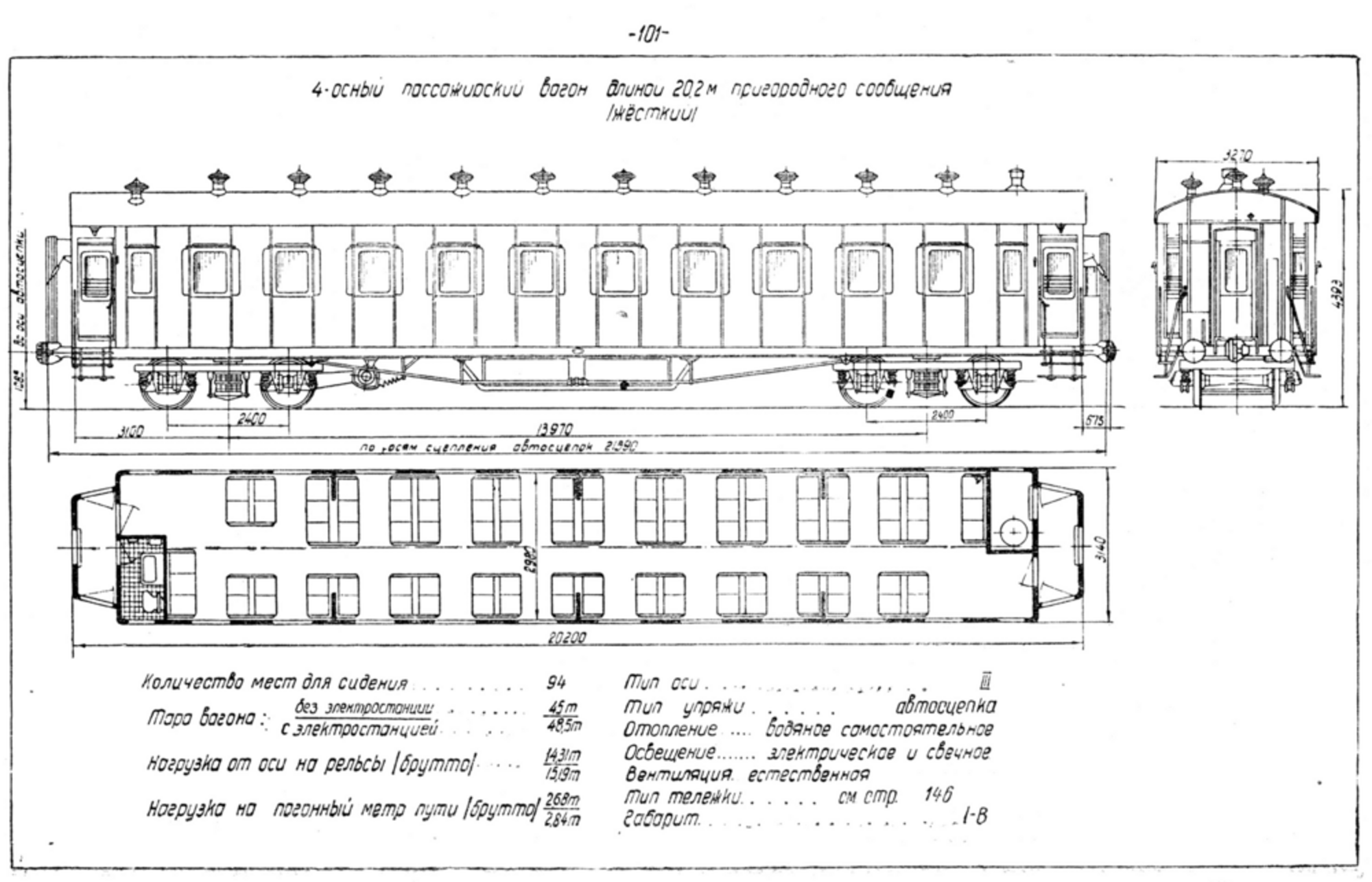
Cars with a body length of 20.2 m were built from 1927 to 1941 by the Tver (Kalinin) Carriage Works and the I.E. Egorov Carriage Works in various versions and were the most common pre-war passenger cars.

Commuter cars were the most common pre-war passenger cars.

Long-distance cars (soft-seated compartment cars, hard-seated compartment cars of the resort type, hard-seated compartment cars, hard-seated open-top cars), commuter cars, restaurant cars, baggage and mail cars, saloon cars, and prisoner transport cars were developed.

Four-axle commuter cars of Soviet design, along with some two-axle cars, were constructed to allow easy conversion for transporting the seriously wounded. During the mobilisation period, the People’s Commissariat of Communication Routes was tasked with transferring a pre-determined number of cars of various types to the People’s Commissariat of Defence for the formation of military hospital trains.

Four-axle commuter cars of Soviet design were easily convertible for transporting the seriously wounded.

Museum Exhibit

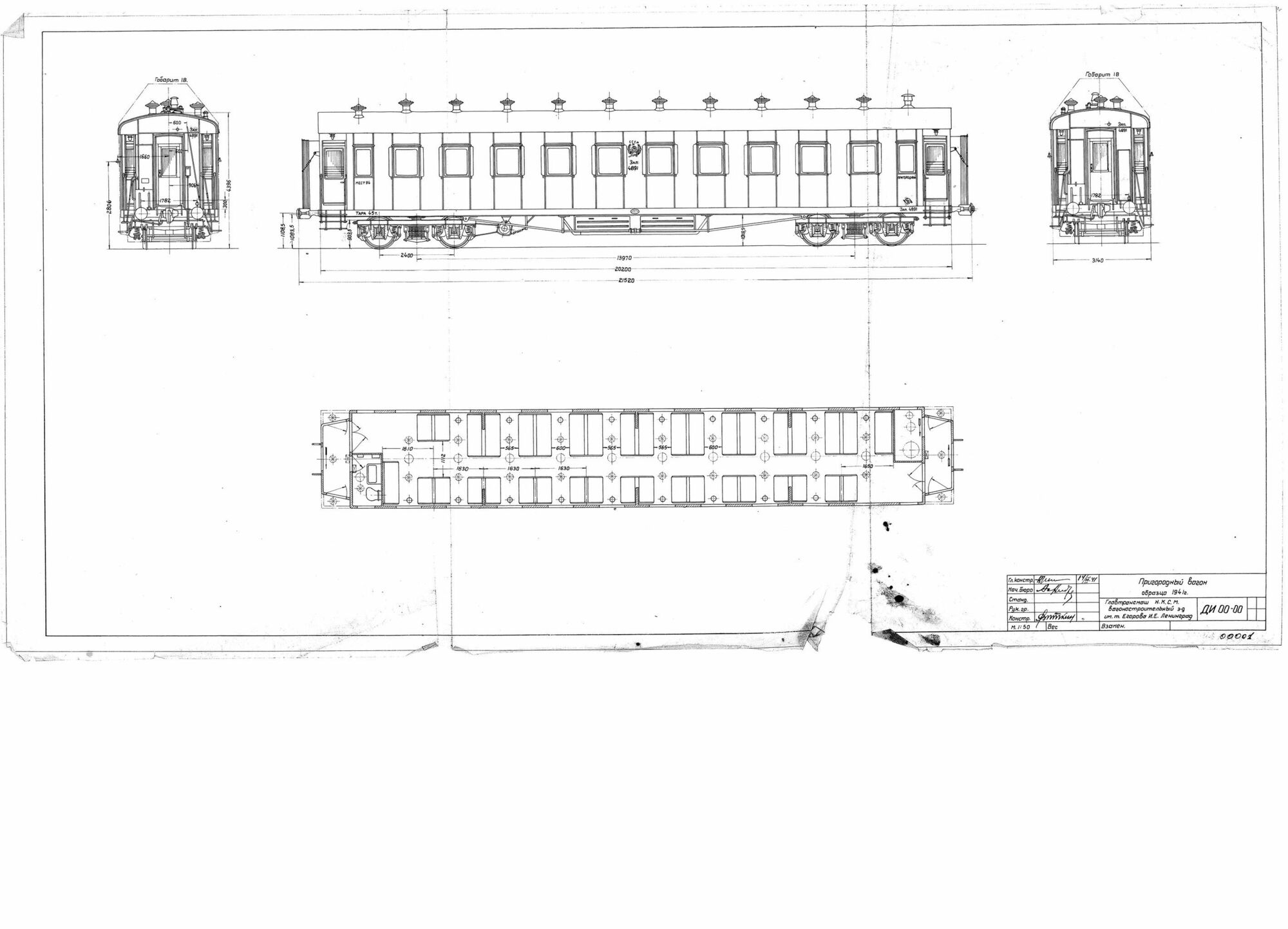
The car with serial number 9151 was built in 1940 at the I.E. Egorov Plant in Leningrad (later Vagonmash in St. Petersburg). During this period, numerous changes were made to the design of commuter cars with a body length of 20.2 m, resulting in the creation of the so-called commuter car of the 1941 model — the last and most advanced Soviet commuter car with a wooden body.

In 1951, commuter car No. 3906 was assigned to the Moscow Railway Car Section of the Oktyabrskaya Railway, and in 1973, it was transferred to the Kalinin Wagon Depot.

Parameters

Technical
specifications

Plant
Leningrad Carriage Building named after I.E. Egorov
Year of construction
1940
Number of axles
4
Length of the body with vestibules, m
20 200
Number of seats
94
Body
Wooden
Distance between the centers of the kingpins of the kingpin beams, m
13 970
Tara, t
45
Тара, t
45
Lighting type
Electric, candlestick
Ventilation type
Natural
Frame
Metal, wood
Autonomous heating
Water
Main heating
Steam
Base
Double suspension
Trolley type
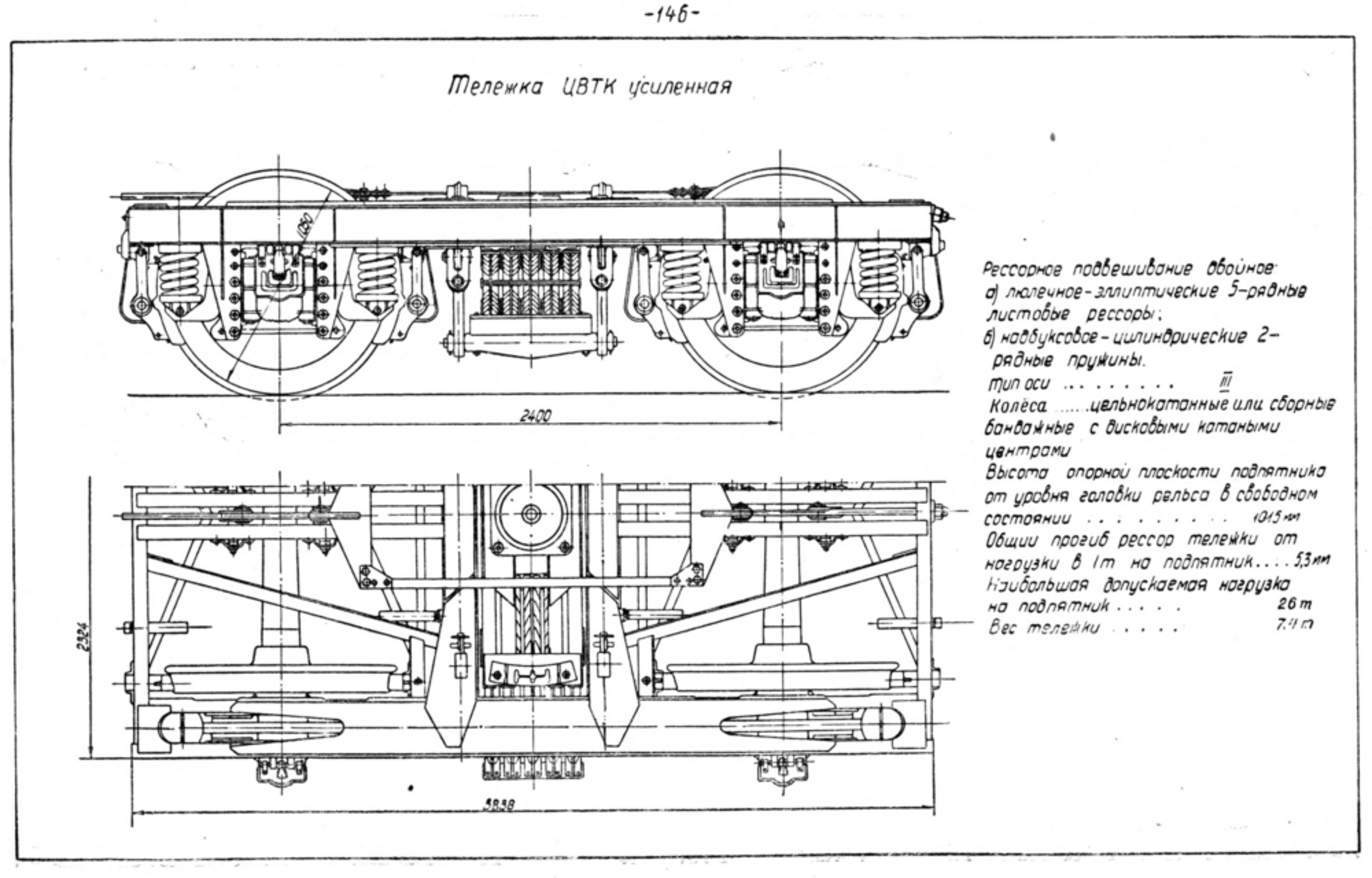
TsVTK reinforced

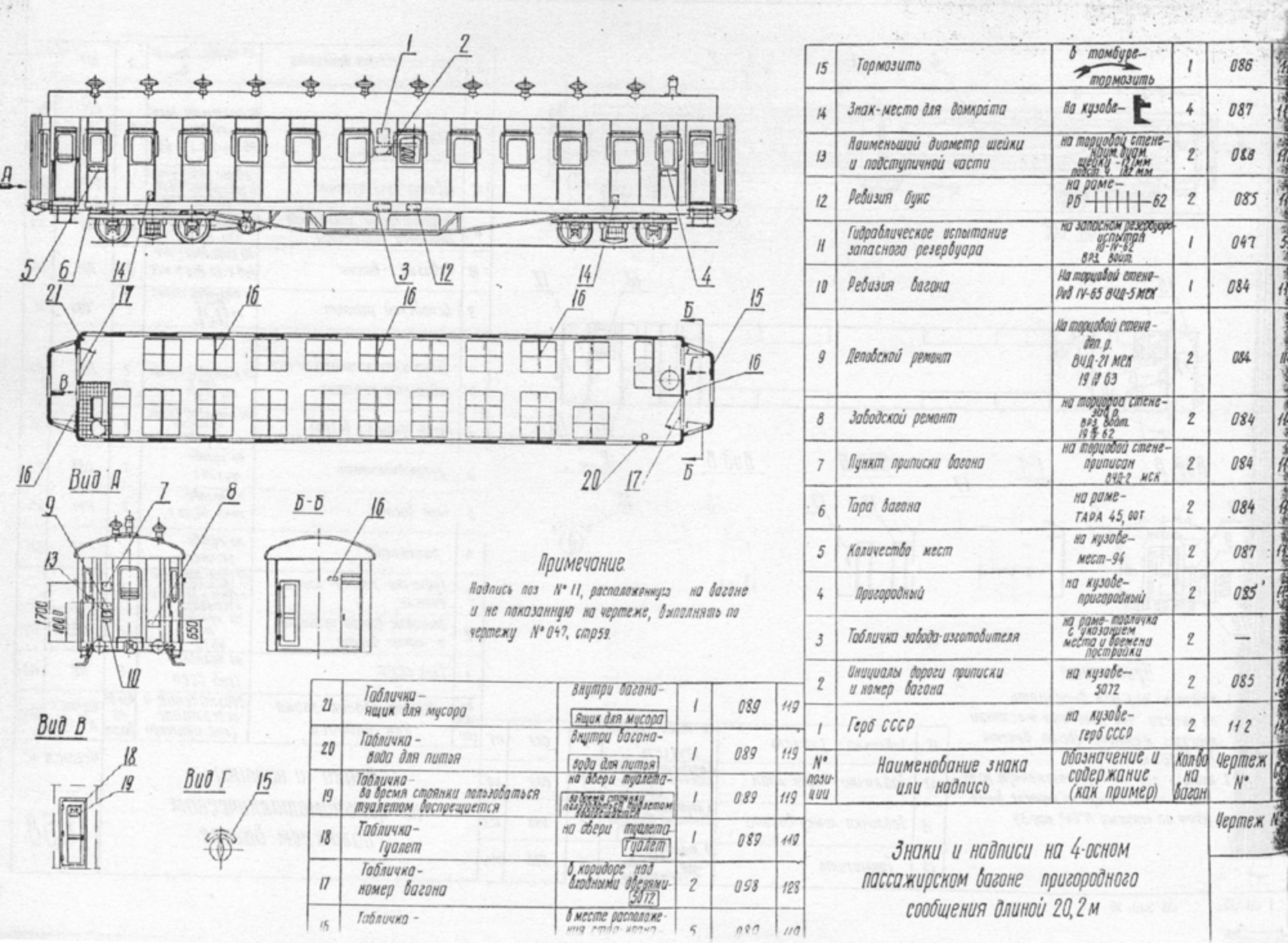
Drawings
and diagrams

History

Chronology

  1. 1918 A decision is made to suspend the construction of passenger cars due to the difficult situation in the country and the shortage of goods wagons.
  2. 1925 The program for the restoration and renewal of the rolling stock service include a decision to build new passenger cars.
  3. 1928 The wagon and engineering office of the Krasny Putilovets Plant develops a project for a 20.2 m long hard-seated compartment passenger car.
  4. 1928–1941 Commuter cars are built at the Kalinin Carriage Works and the I.E. Egorov Carriage Works in Leningrad.
  5. 1940 Commuter cars are built at the Kalinin Carriage Works and the I.E. Egorov Carriage Works in Leningrad.
  6. 1995 The car is brought to the museum from the Experimental Track Laying Machine Station No. 1 (Reshetnikovo).
  7. 2013–2014 The car is restored during repair work.