Today the museum is open from 10:00 to 18:00

Map

Exhibit description

Tank Car for Transporting Petroleum Products No. 168 044

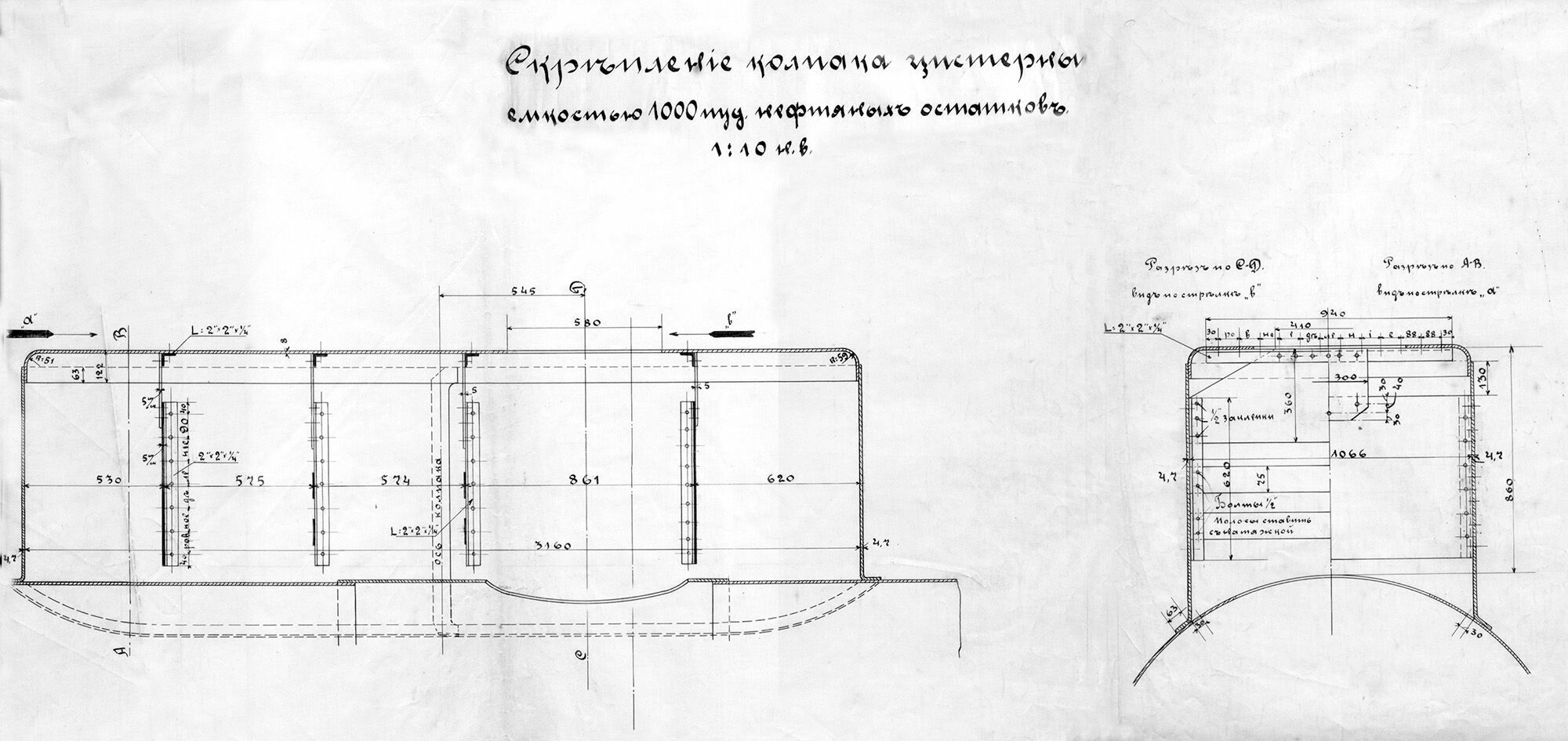
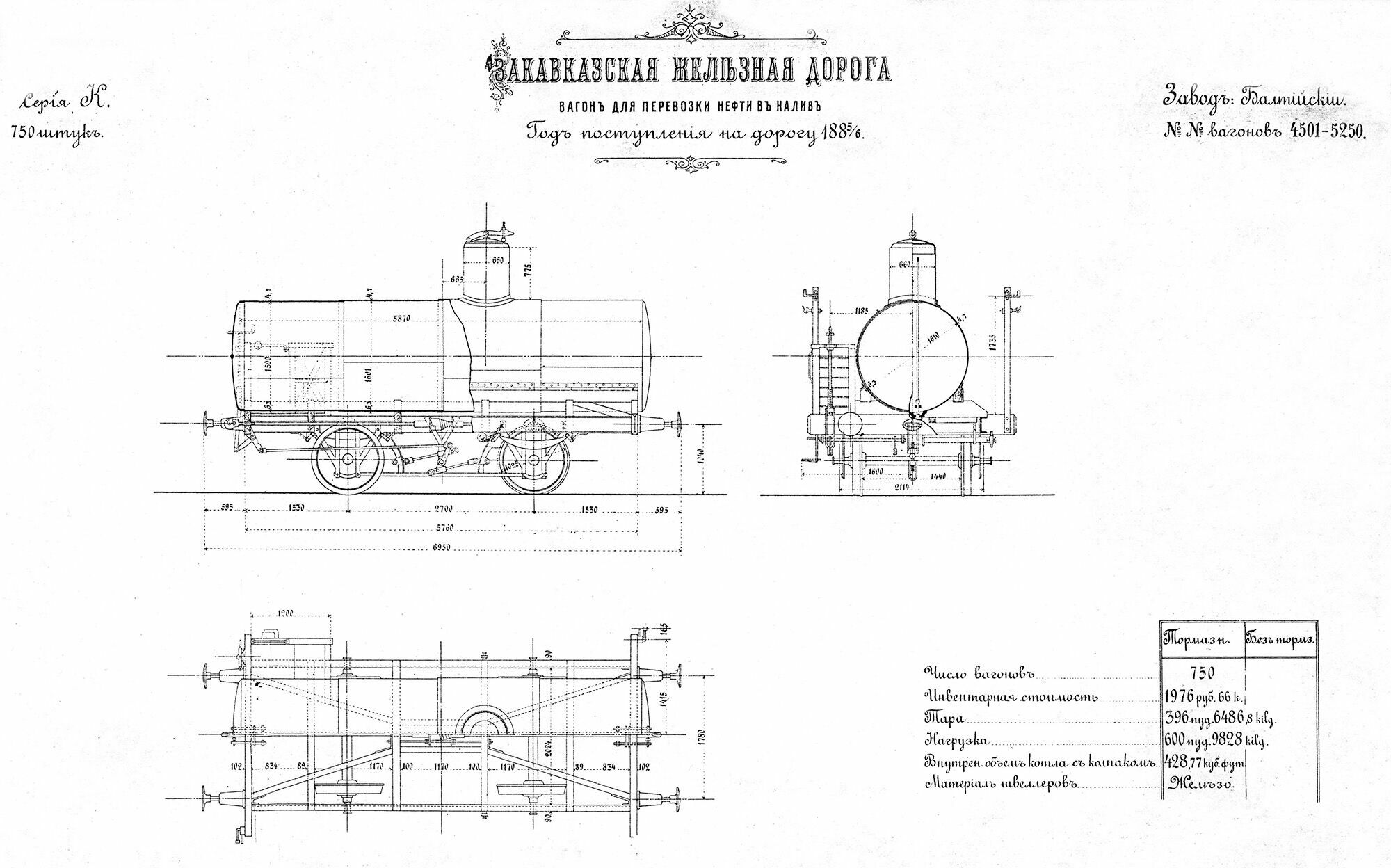
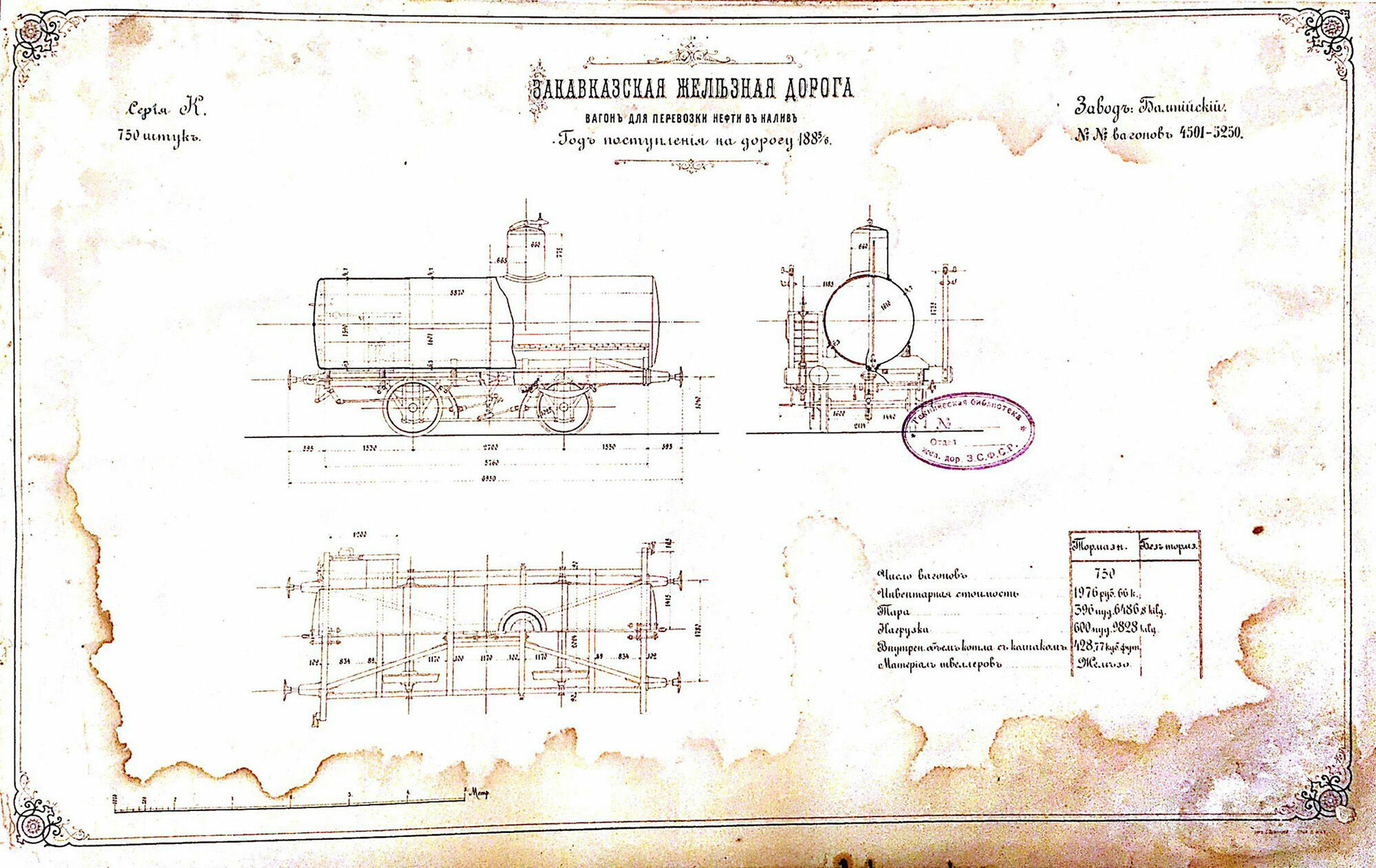
This type of tank wagon with a shell was built by the Russo-Baltic, the Bryansk and the Putilov Works for the South Caucasus Railway from 1885.

The installation of an additional reservoir container increased the tank car’s carrying capacity from 10 to 15 t.

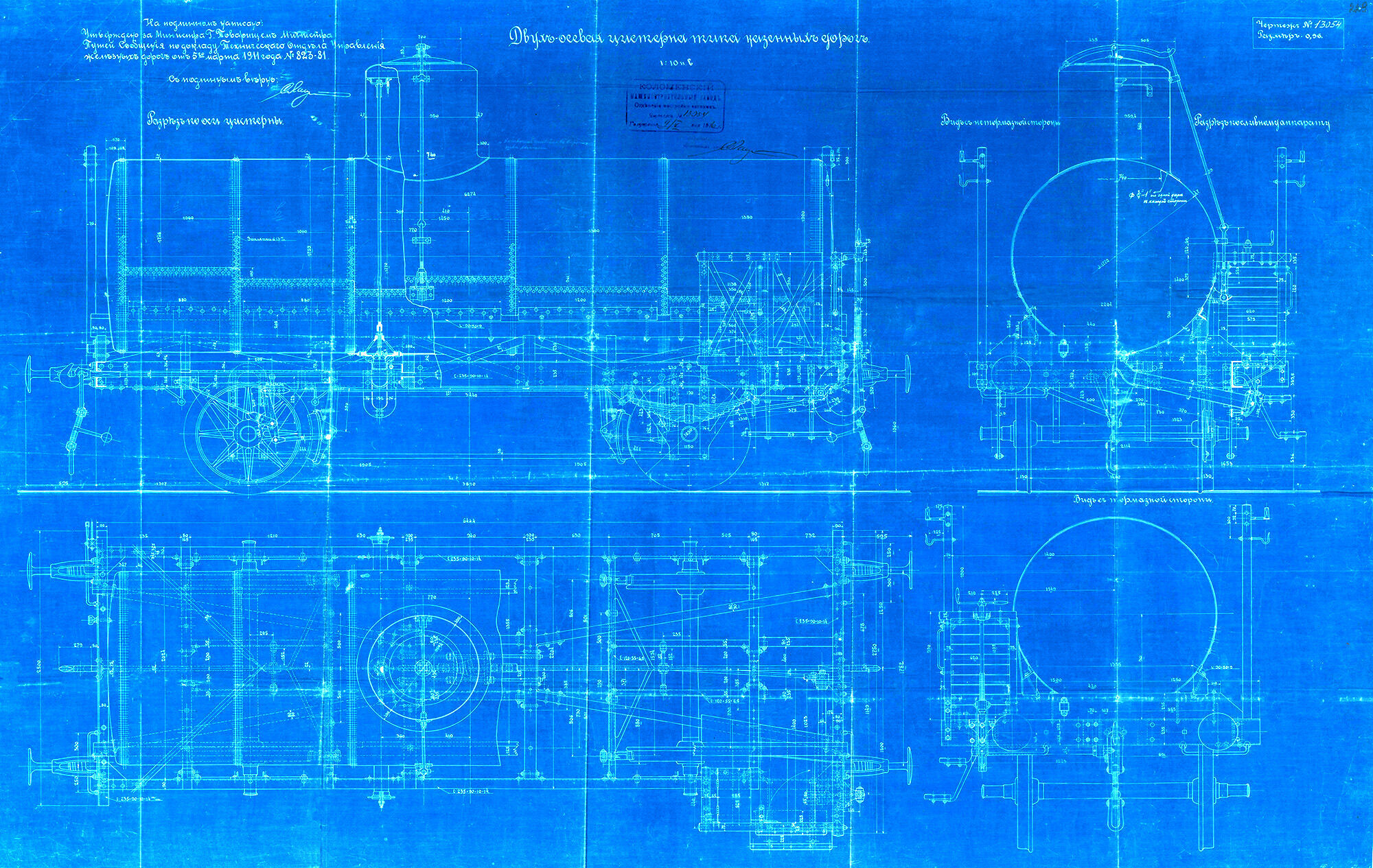
Initially, the carrying capacity of a tank car was under 10 t of oil (600 poods — an old Russian unit of measure). Later, the shells of many tank cars on the South Caucasus Railway were increased installing an additional reservoir container, and the class name was changed from K to Kr. This modification increased the carrying capacity to 15–16 t, which required the crew section to be reinforced. In particular, the tank was moved onto the frame of a normal freight car, built by wagon works of Fēnikss Joint-Stock Company in Riga.

Museum Exhibit

In the 1930s, when calibrating the shells of rail tank cars, shells of this type were given the designation 217. By 1940, there were fewer than 50 of these cars in the People’s Commissariat of Communication Routes’ fleet inventory. In the 1950s, calibration types 217 and 216 were merged into calibration type 166.

Parameters

Technical
specifications

Years of construction
1885–1902
Number of axes
2
Frame length, m
6,444
Load capacity, t
15–16
Base, m
3 810
Tara, t
7,95
Frame
Metal, wood
Boiler
Gauge type
217
Drum
Riveted
Superstructure
Rectangular
Type
Four-reel

Drawings
and diagrams

History

Chronology

  1. 1885–1902 Tank cars for transporting petroleum products are built.
  2. 1940 There are fewer than 50 of these cars in the People’s Commissariat of Communication Routes’ fleet inventory.
  3. 1987 Tank car no. 168 044 is transferred to the Russian Railway Museum in St. Petersburg.