Today the museum is closed

Map

Exhibit description

Museum display Depot

For maintenance

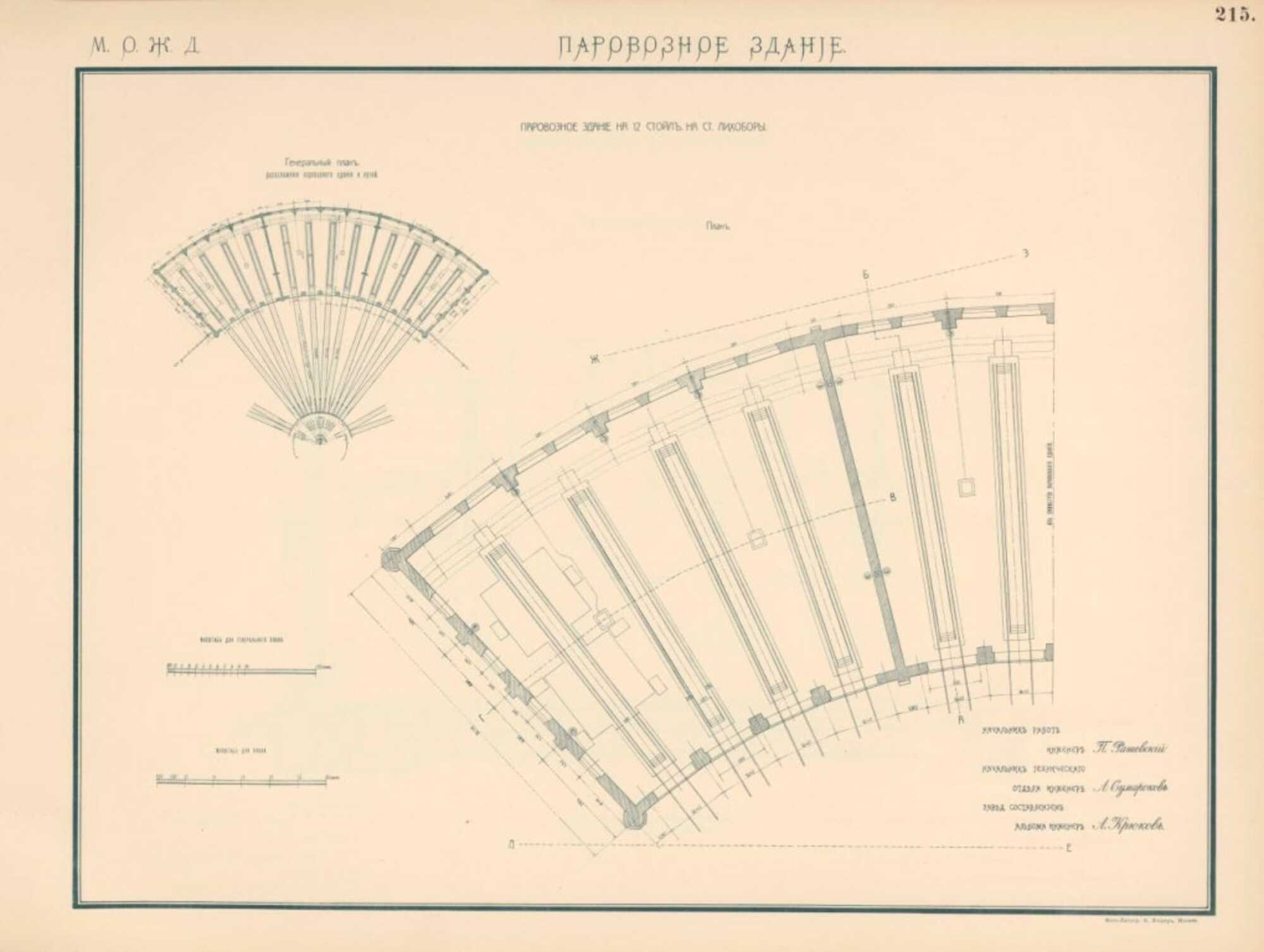
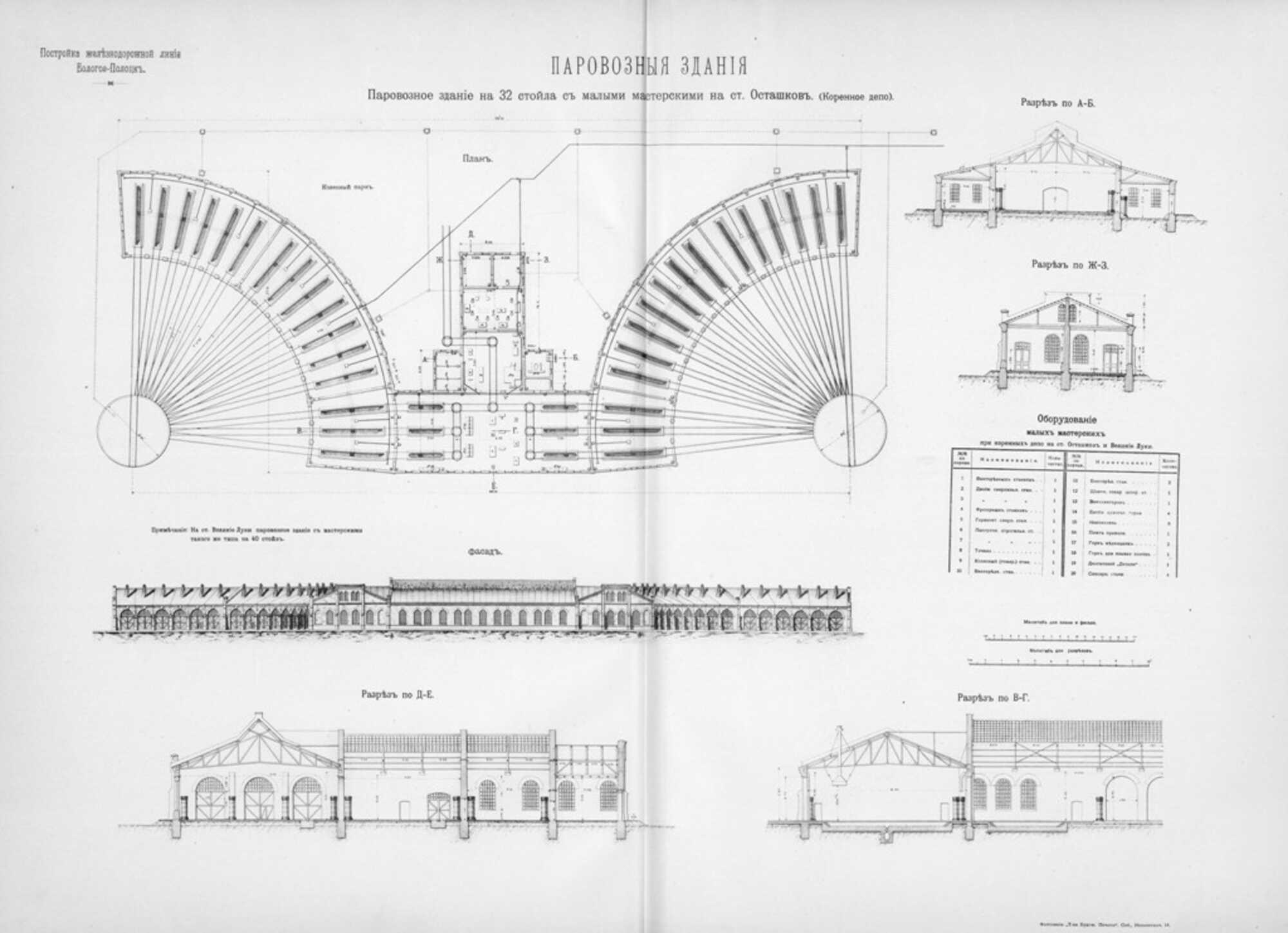
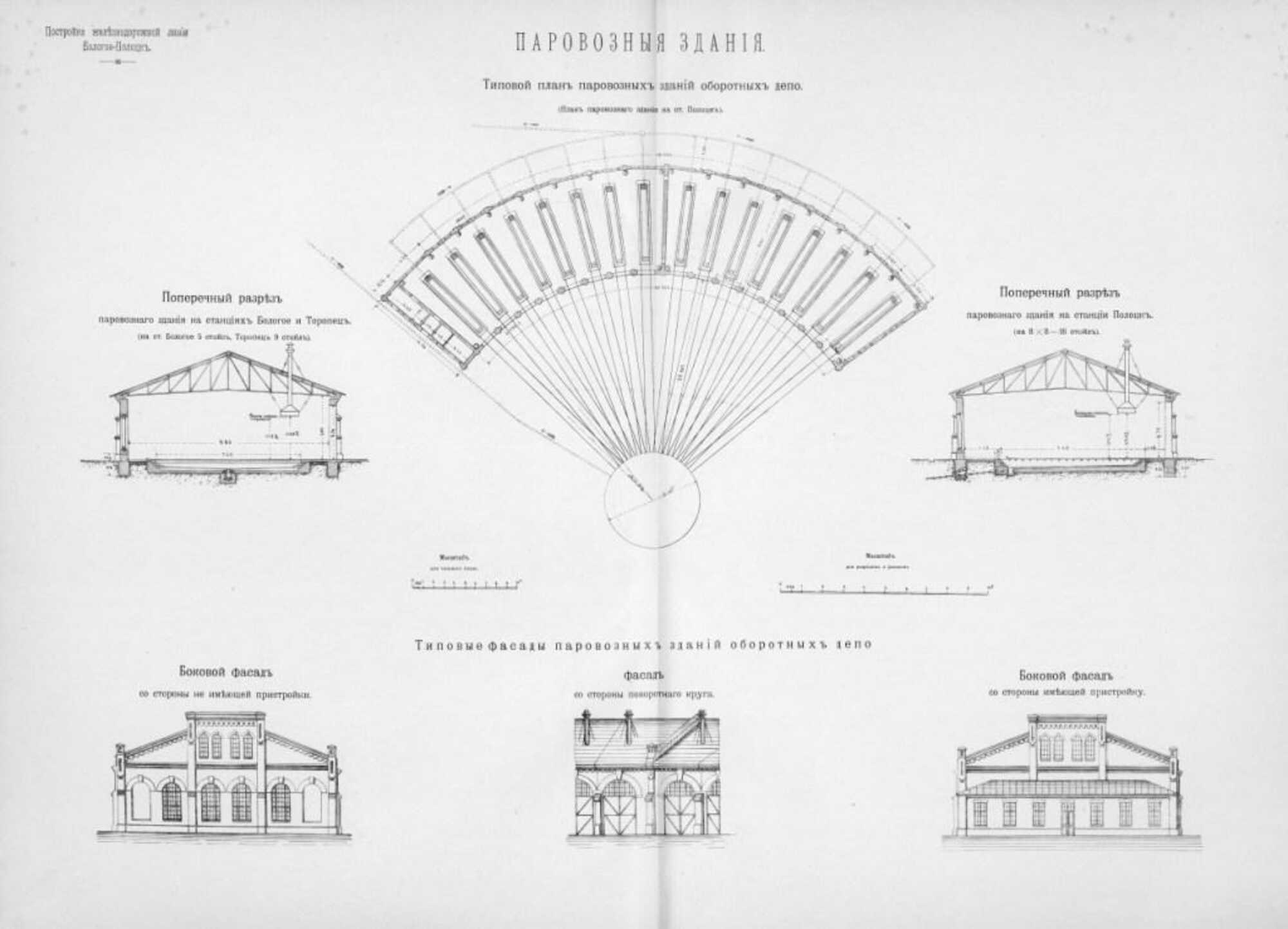
Locomotive depot (traction unit, TC) — a railway depot where maintenance or repair of locomotives is carried out. By type, they are divided into main ones, which serve as the home base for locomotives, and turnaround ones, where locomotives are prepared to travel with trains in the direction of the main depot.

The history of the development of locomotive depots in Russia is connected with the construction of the first railways in the 1830–1840s. Despite the fact that the first locomotive depots appeared on the Tsarskoye Selo Railway — in St. Petersburg and Tsarskoye Selo, the foundations of the organization of traction facilities and the operation of locomotives were laid in 1851 with the opening of the St. Petersburg — Moscow railway.

Considering that before the Great Patriotic War 1941–1945 the main locomotives were steam locomotives, the depots were called steam locomotive depots. Initially, wagons were repaired in locomotive depots, but by the 1860s the first wagon repair depots and workshops began to appear as independent units.

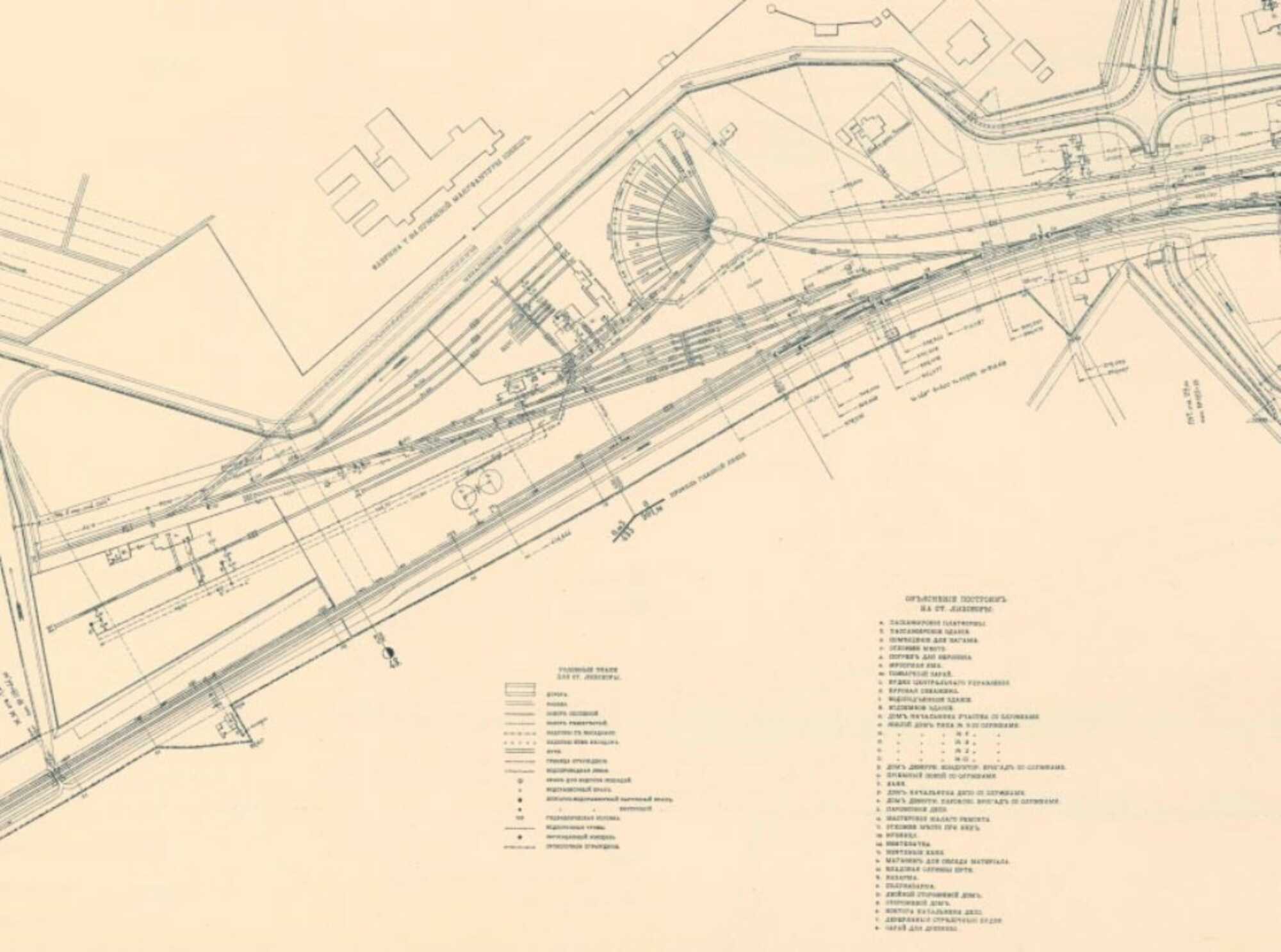
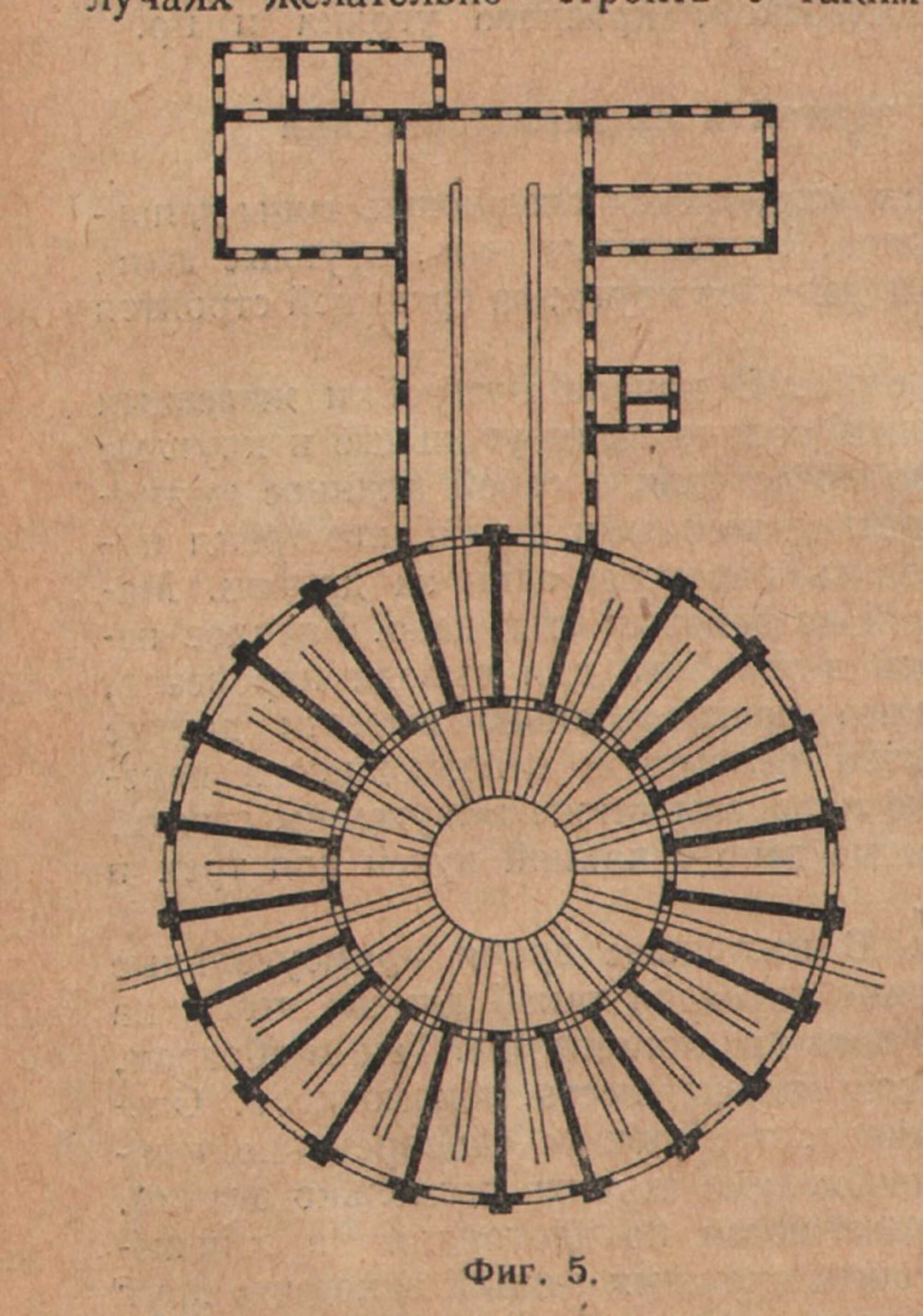
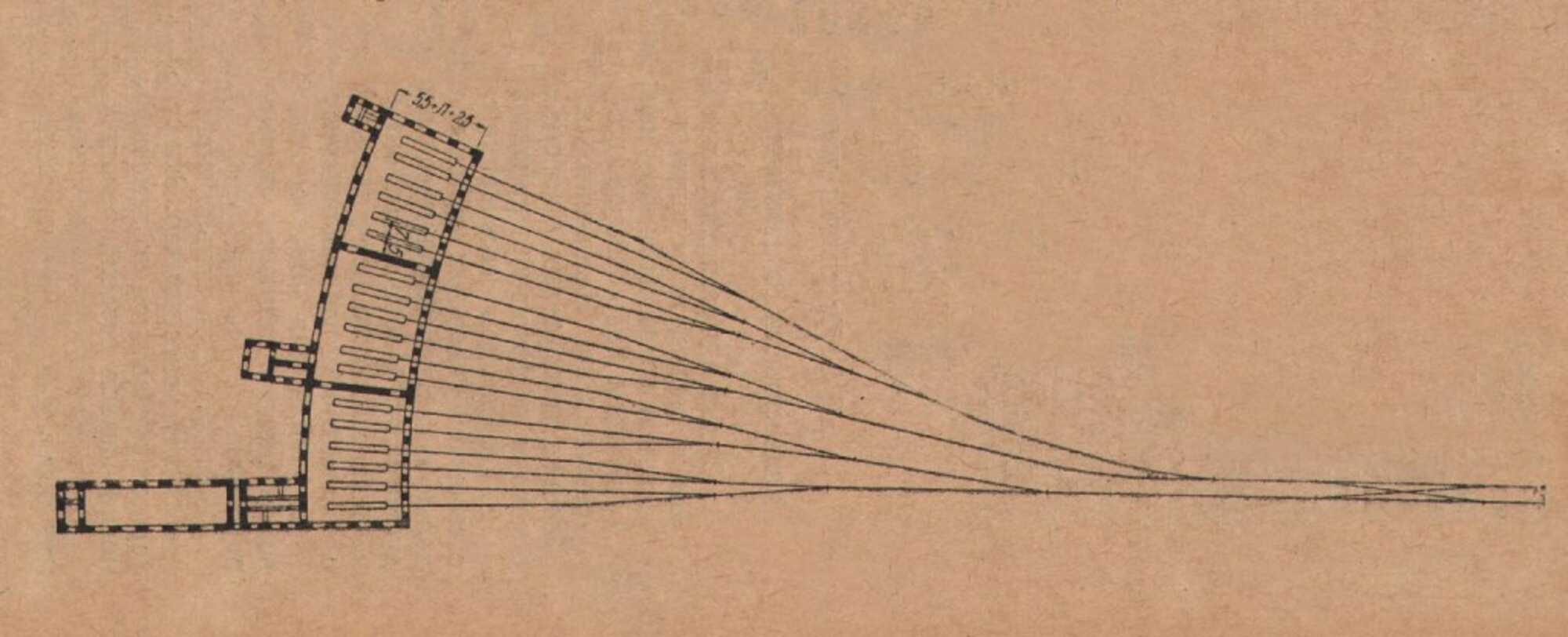
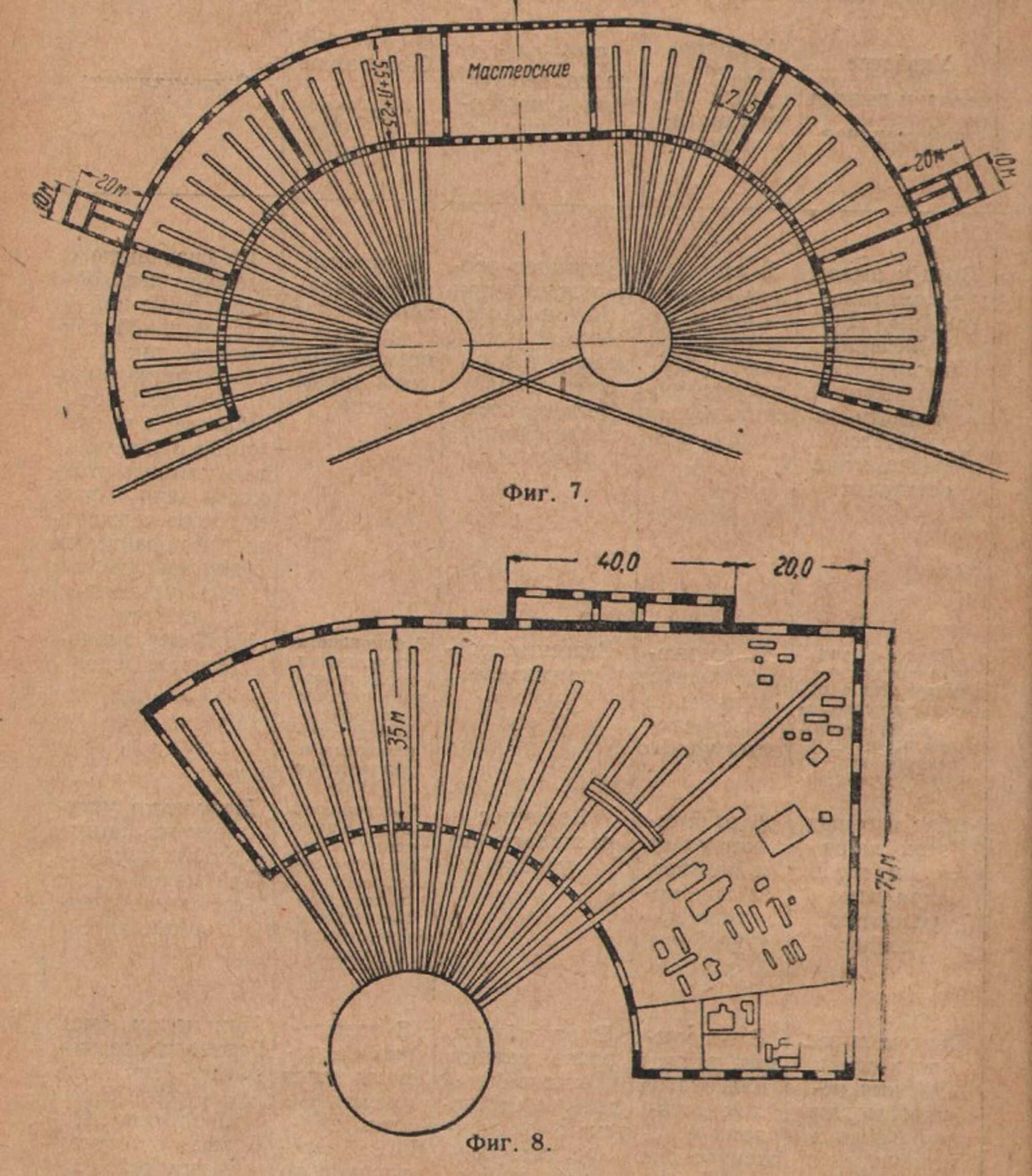
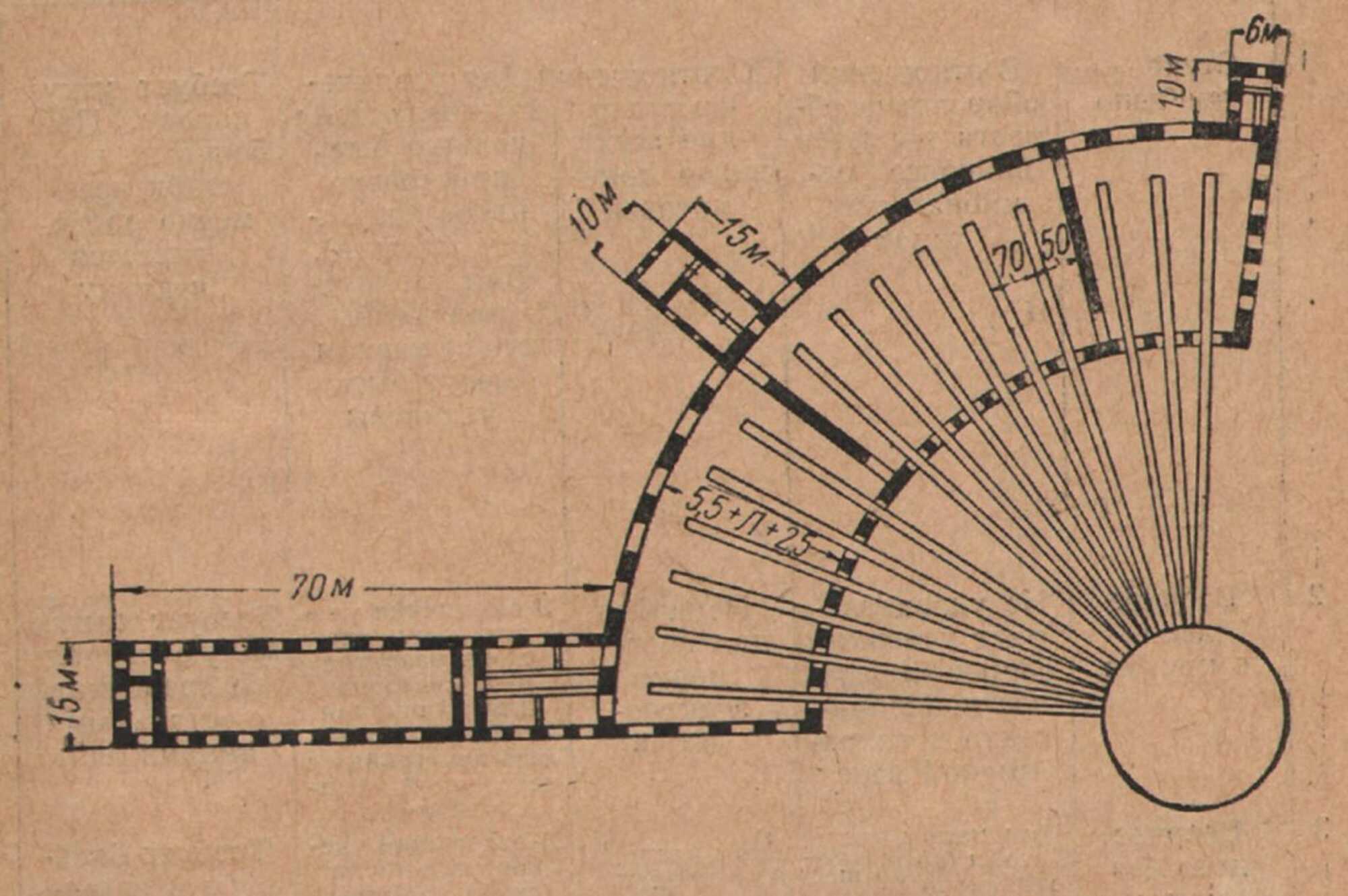
The first locomotive depots built on the St. Petersburg - Moscow line had round locomotive sheds. The placement of locomotives in these depots was carried out by moving the locomotive along one of the through tracks and then placing it on the desired ditch with the help of a turntable arranged in the center of the shed. Later, a fan-shaped layout was used.

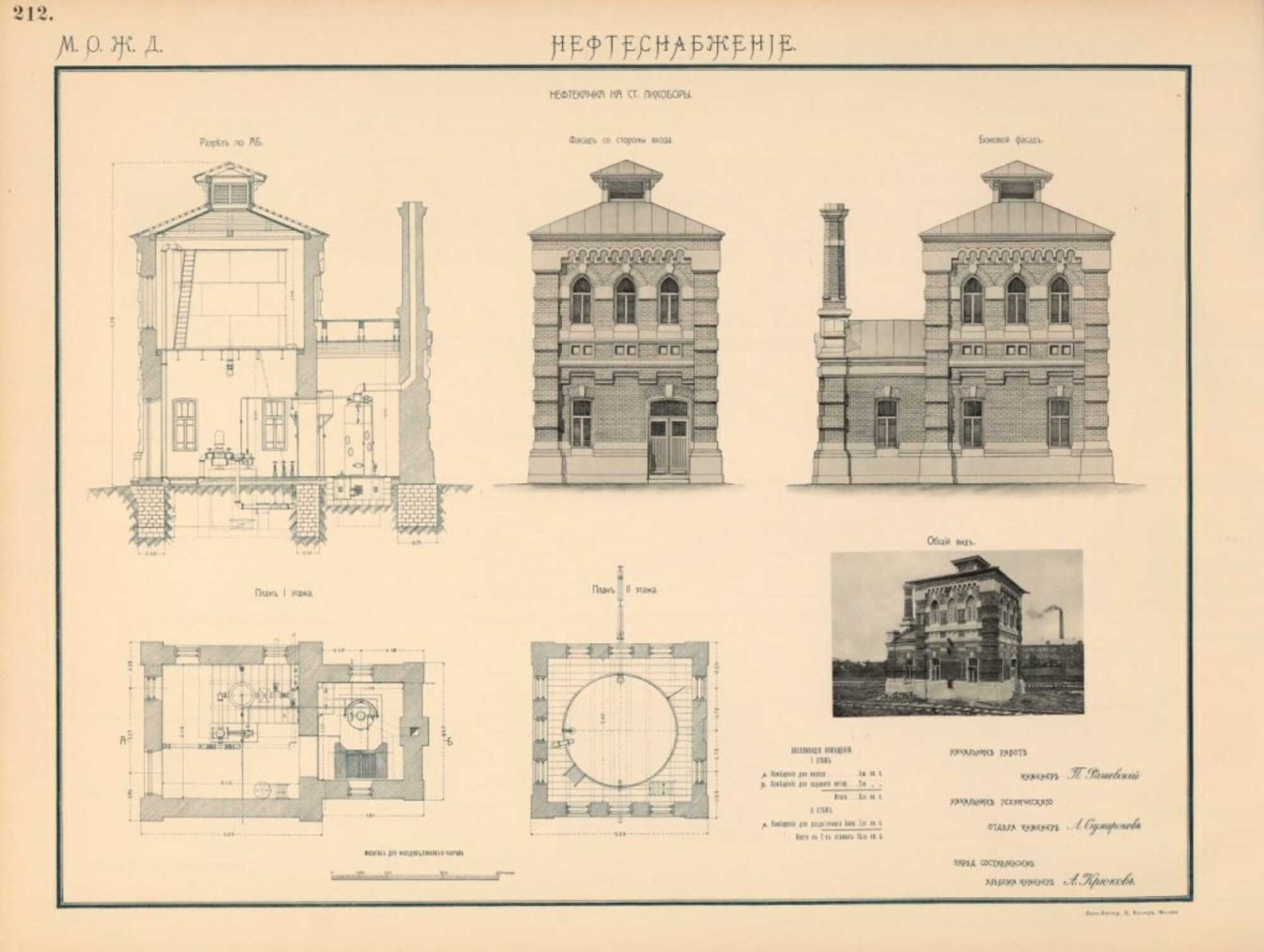
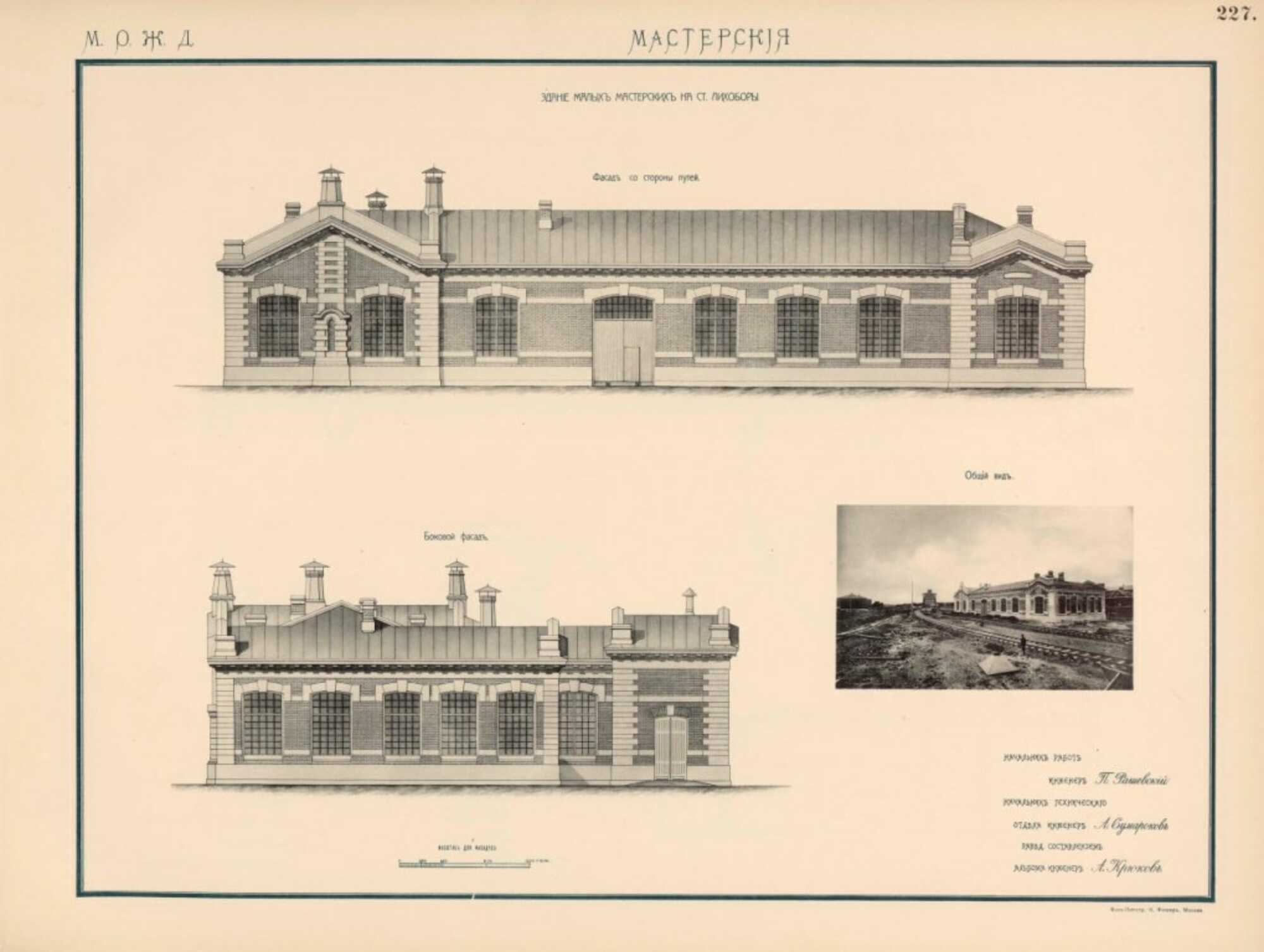
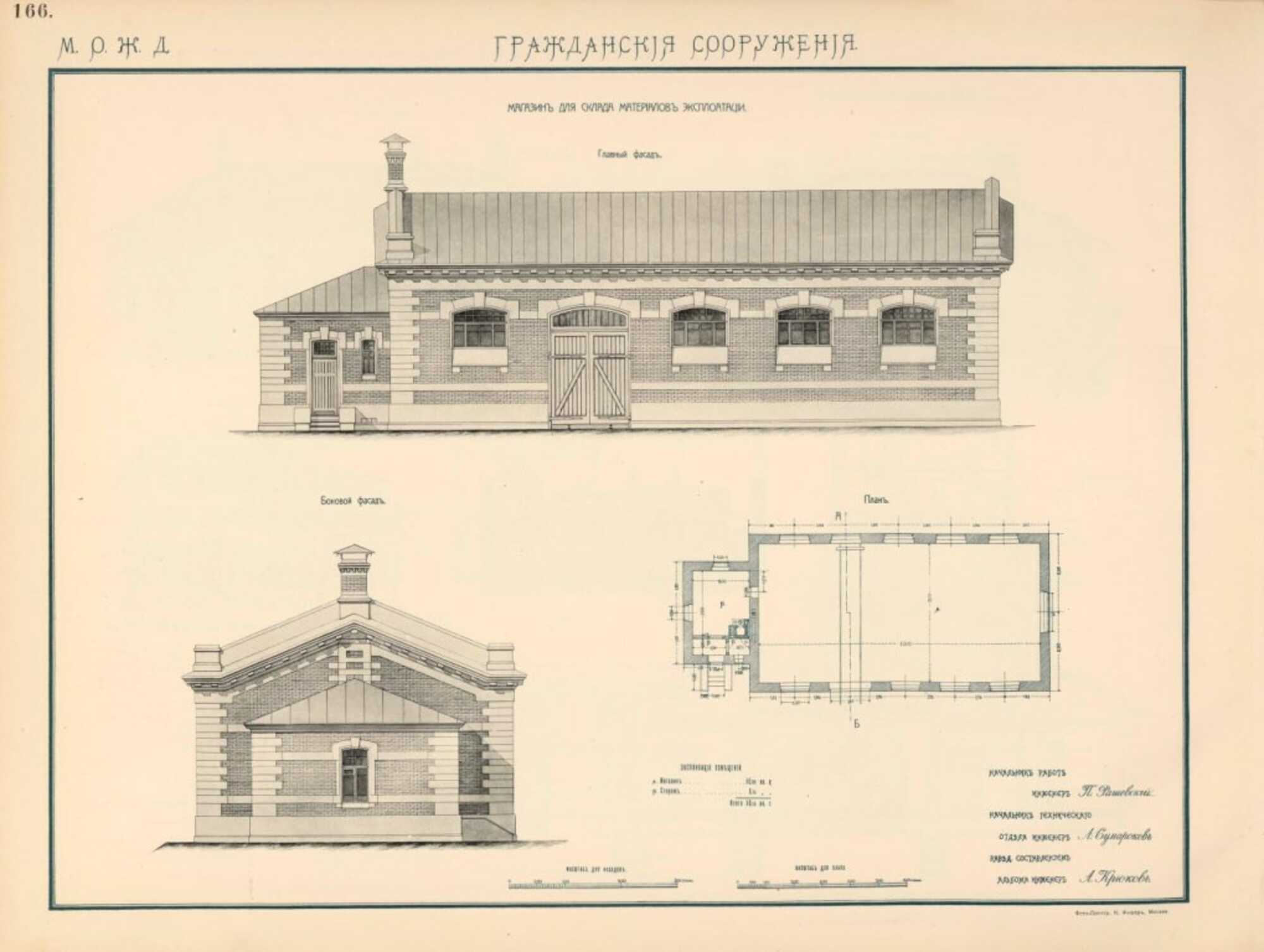
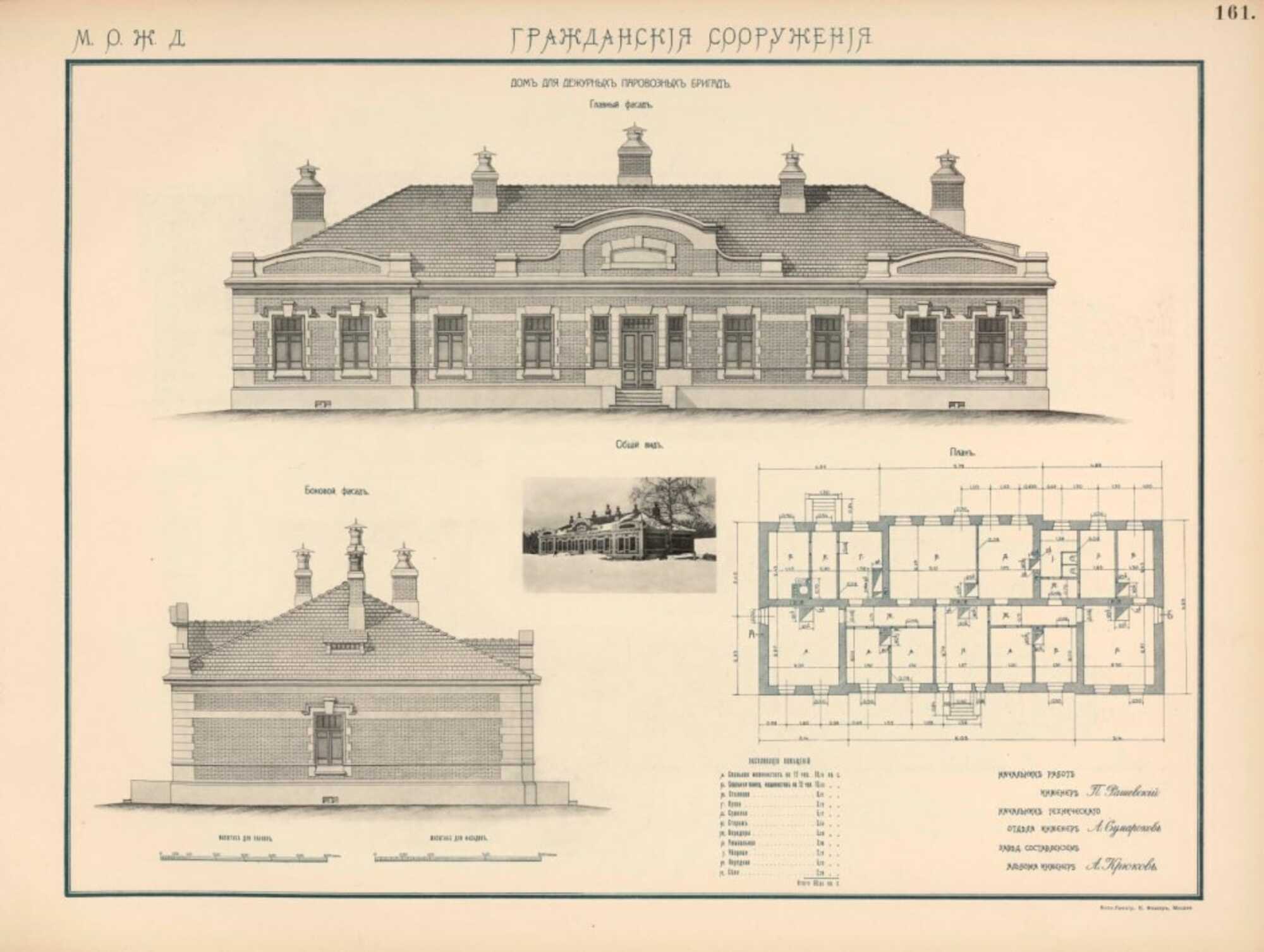
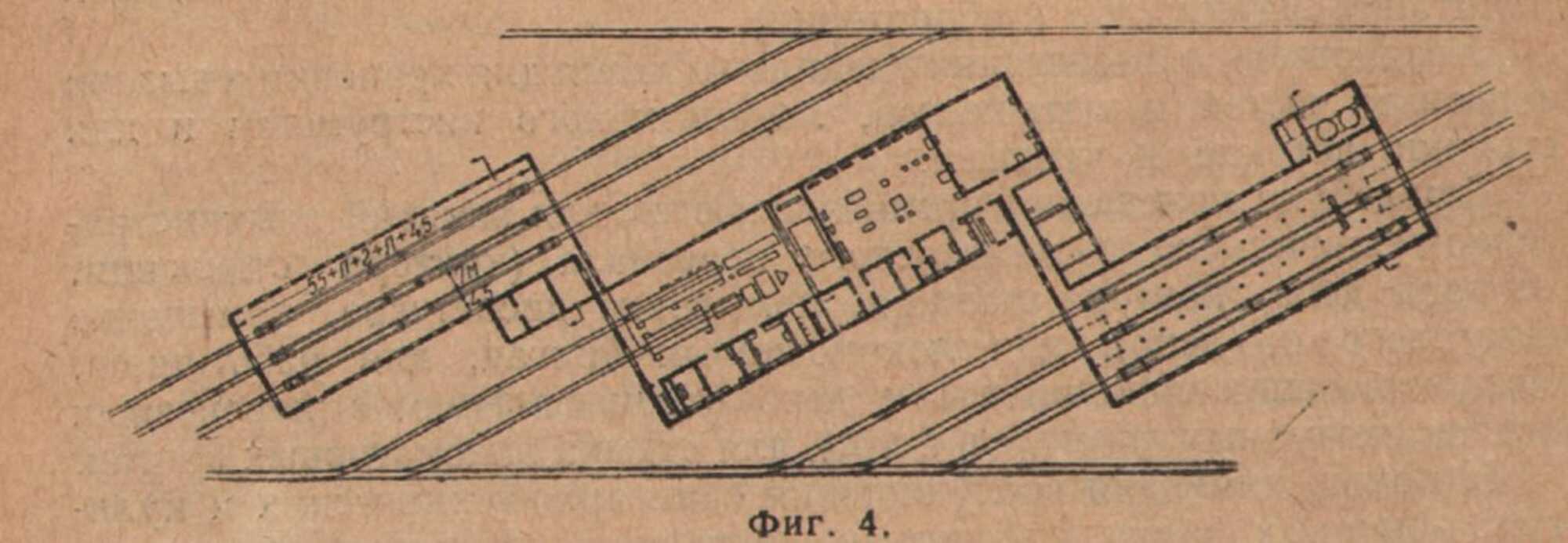
The locomotive depot area shall include a turntable or a turning triangle for turning the locomotive (not preserved everywhere at present), a locomotive maintenance point, and locomotive repair shops. In addition to the above buildings and facilities, locomotive depots may also house boiler houses, treatment facilities, locomotive washing points, and other production facilities.

Transition from steam locomotives

In 1933 the locomotives and carriages that had previously been part of the rolling stock service were divided into independent units.

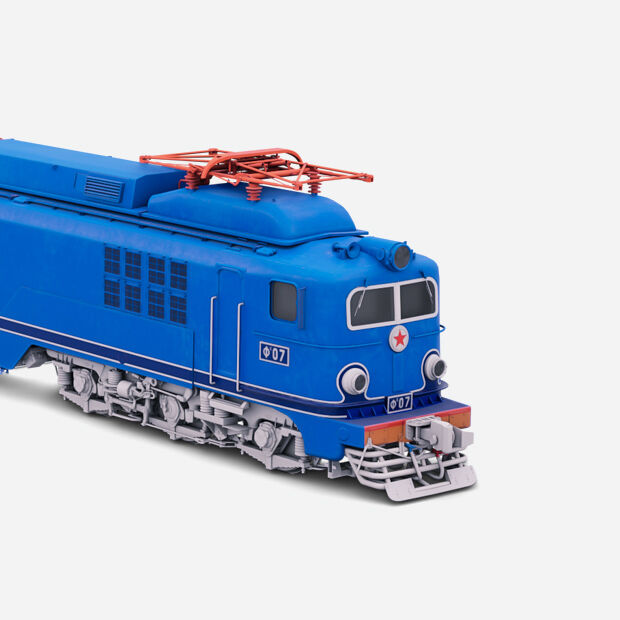
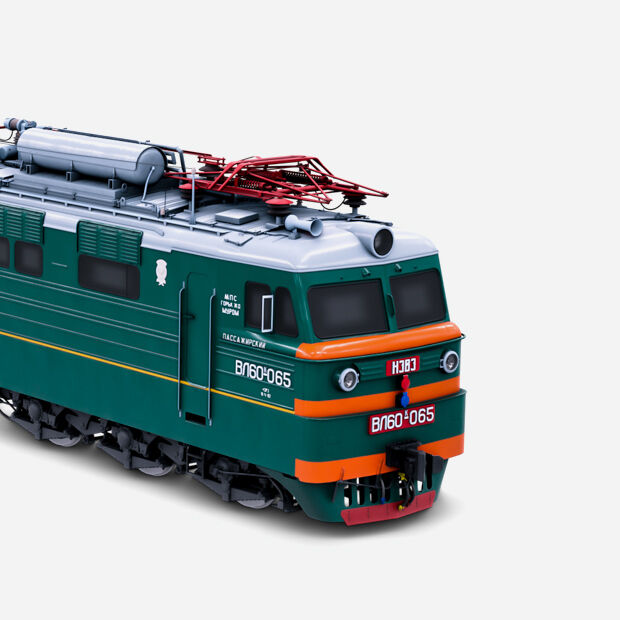
With the start of the mass transition to electric and diesel traction, depots servicing diesel or electric locomotives began to be called locomotive depots, and those servicing electric trains and diesel trains — multiple-unit depots (they usually have several shunting diesel locomotives) or electric depots. Depots also began to be divided by purpose into freight (at large junction and marshalling stations), passenger (at large passenger stations), multiple-unit depots, and shunting depots.

As of 2023 in Russia, 146 locomotive depots are part of the regional traction directorates of the JSC Russian Railways branch.

With the advent of the first railways, the question of where and how to maintain, repair, and equip locomotives immediately arose.

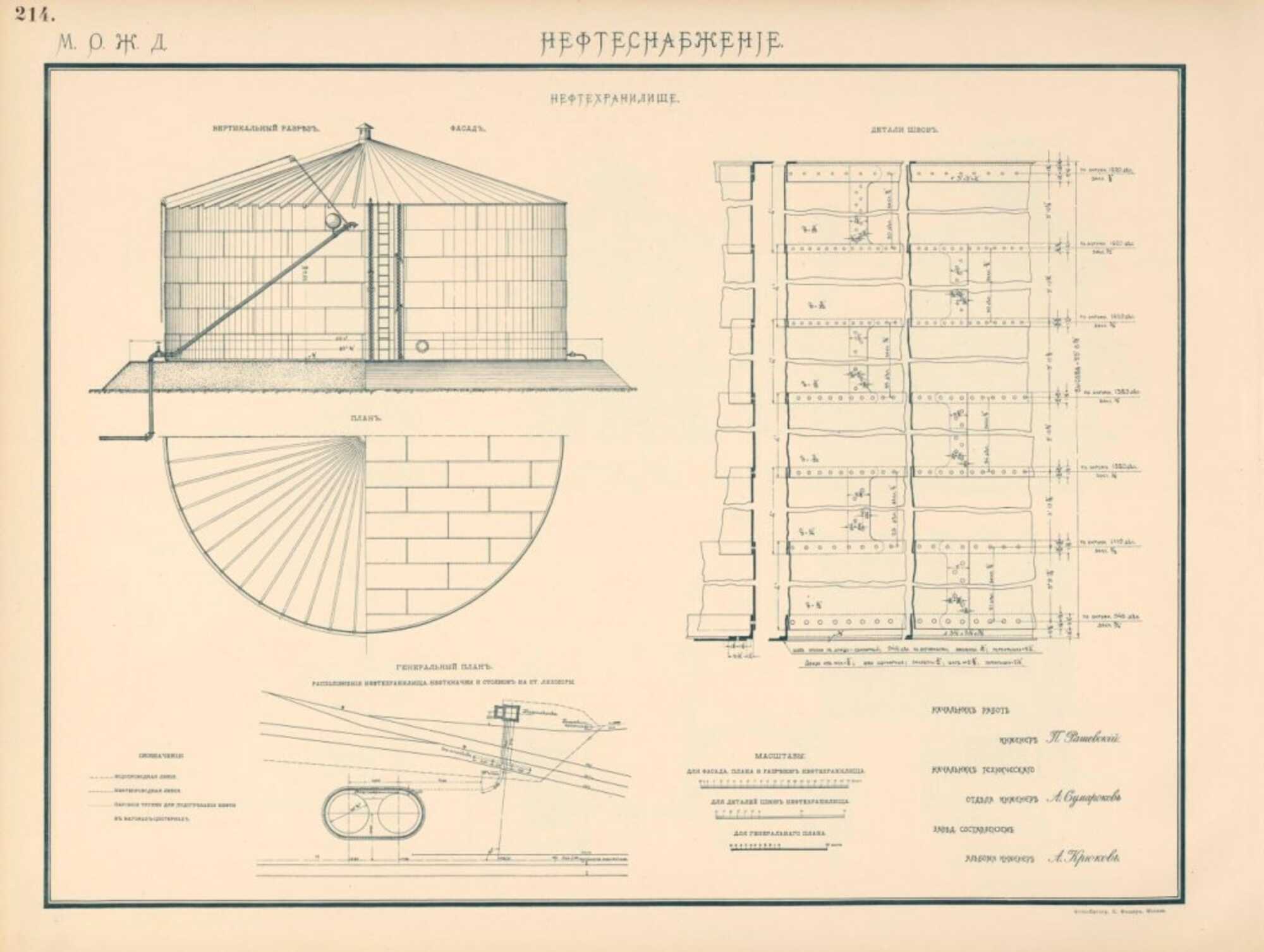
Different types of traction make their own adjustments to the structure of this locomotive economy. If steam and diesel locomotives need fuel, then electric locomotives do not, but sand is needed by all. It helps with starting and braking, and is used by all types of locomotives.

Parameters

Technical
specifications

Drawings
and diagrams