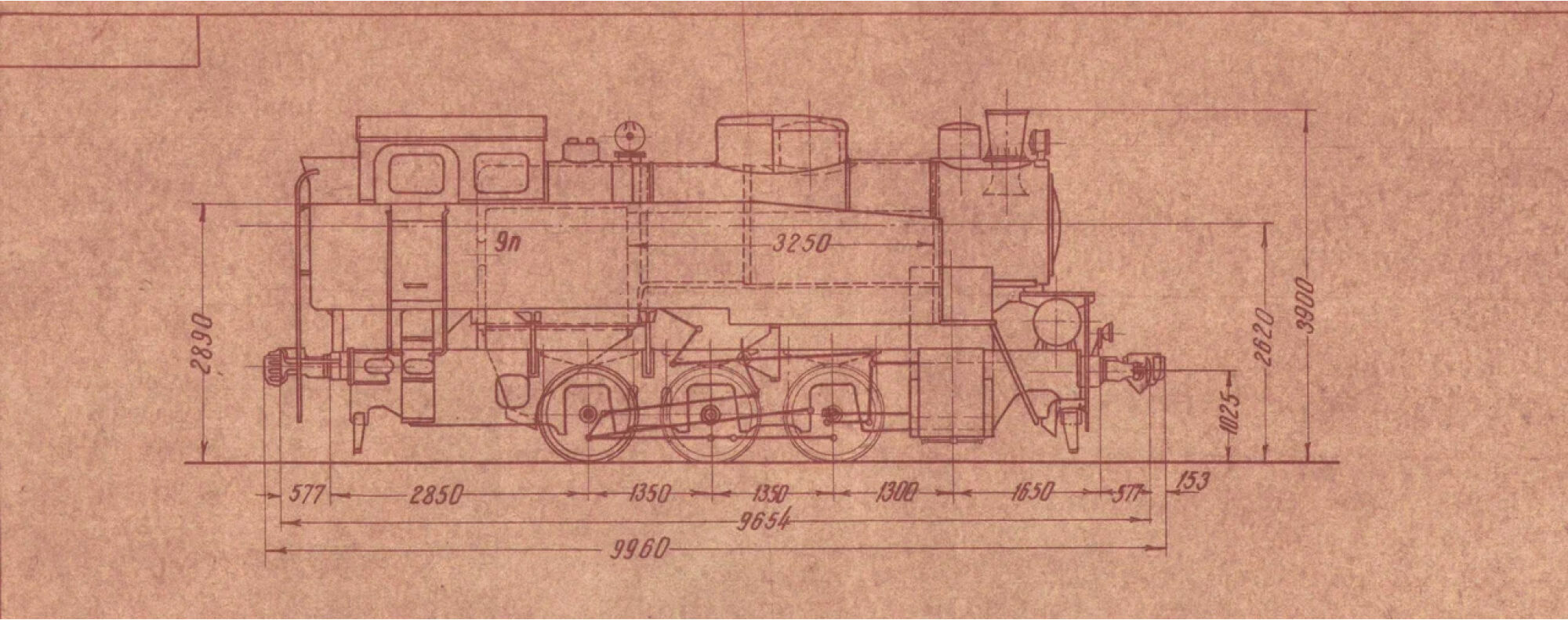
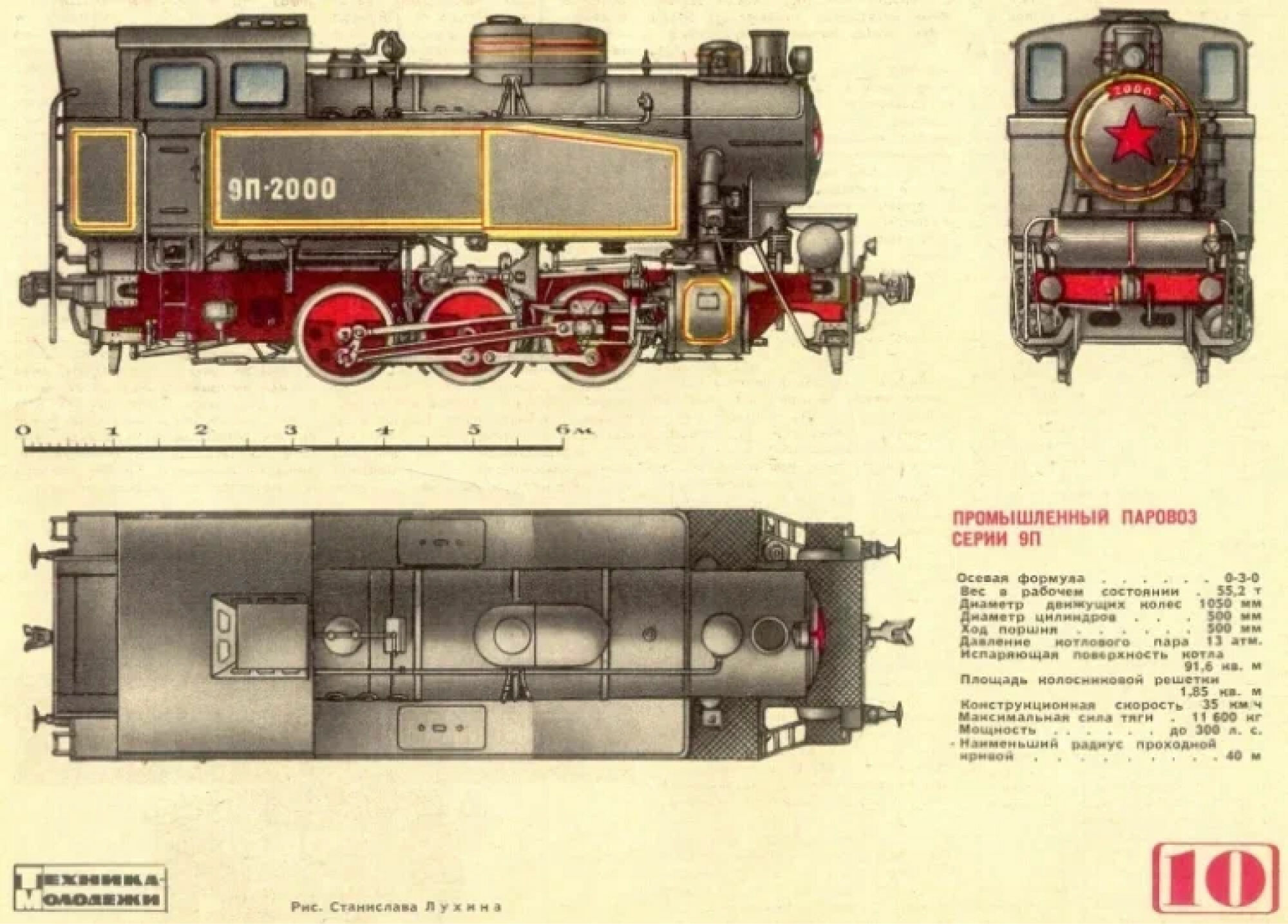
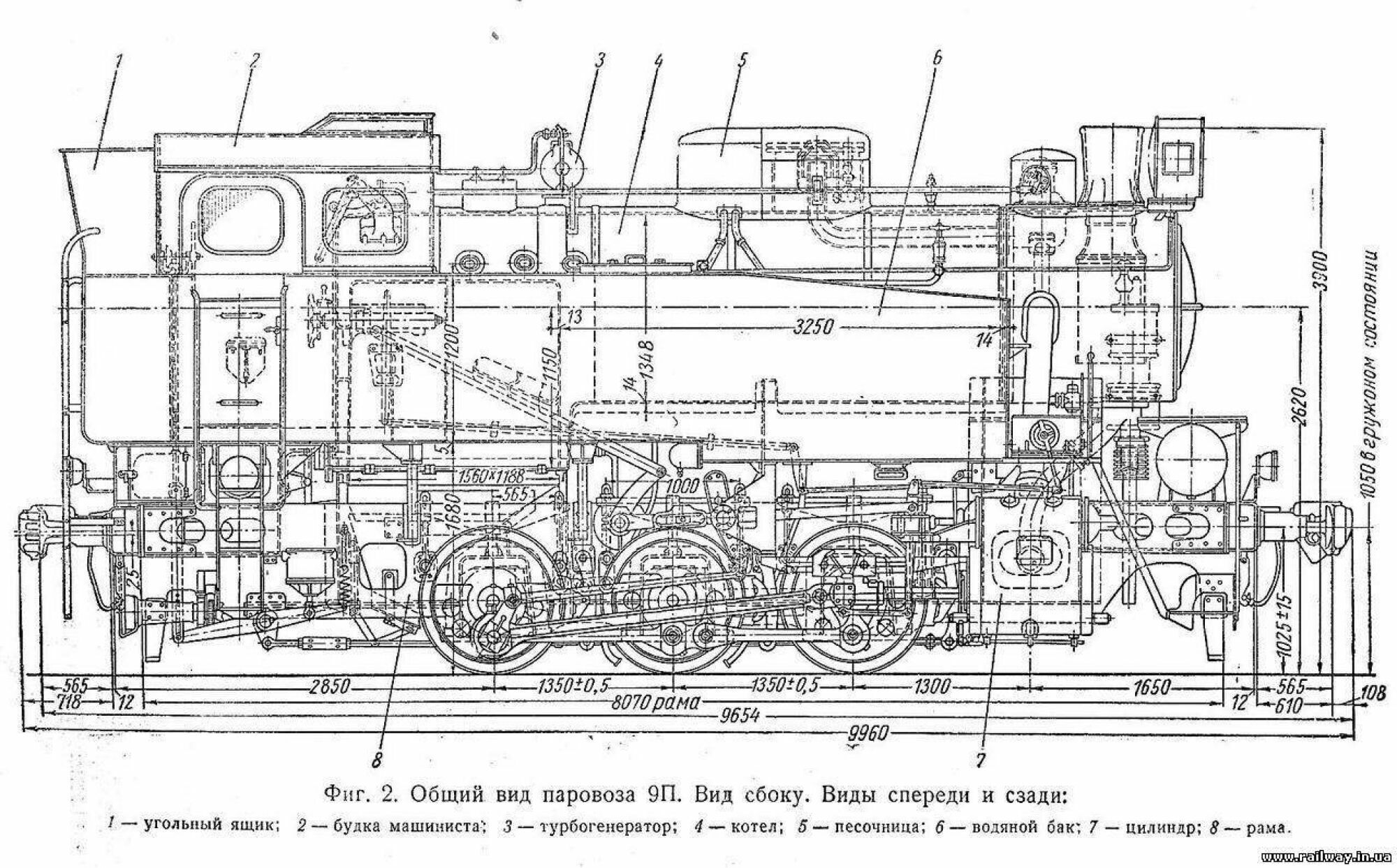
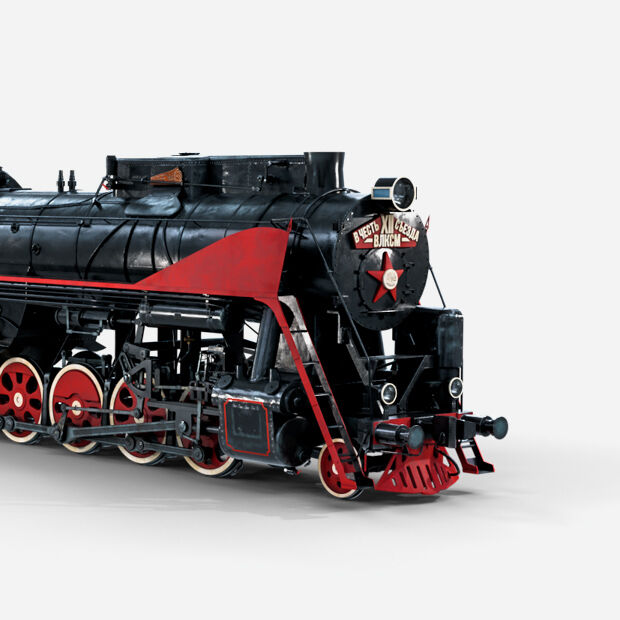
9P locomotives operated across the Soviet Union, from Vladivostok to Brest and from Norilsk to Central Asia. These locomotives could be found on the tracks of large metallurgical enterprises in the Urals and Kuzbass, where several dozen 9Ps were in service, as well as at small enterprises, where the entire locomotive fleet often consisted of just one or two 9P steam locomotives.
The operation of the “nines”, as the 9P was affectionately called by railway workers, largely ended in the 1970s when industrial enterprises acquired enough diesel locomotives to replace them. In some places, these steam locomotives remained in operation into the early 1980s. For instance, the 9P-19489 locomotive was still in service at TPP-5 “Red October” in Leningrad until 1981.
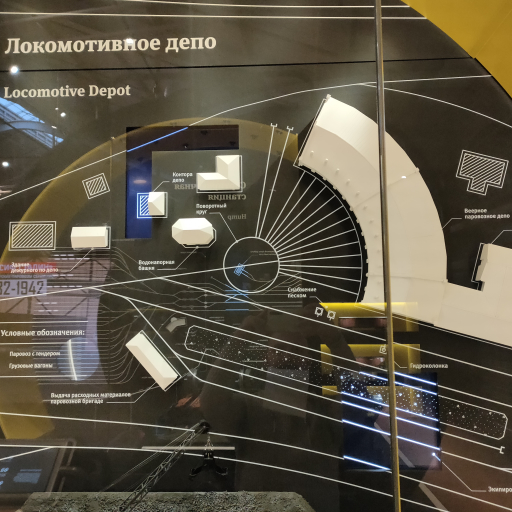
Another notable chapter in the history of the 9Ps was their use in locomotive depots of the Ministry of Railways network. While most steam locomotives were transferred from the Ministry of Railways network to industrial enterprises, the 9Ps, on the contrary, were often sent to the Ministry of Railways network after working in industry.
This was due to the need to replace obsolete tank locomotives used for shunting operations mainly in roundhouses. The compact dimensions of the 9P made it particularly well-suited for these tasks. The transfer of 9P locomotives to the Ministry of Railways tracks began in the 1960s, coinciding with the gradual transition from steam to diesel traction on industrial railway lines.
In the locomotive depots of the Ministry of Railways, the 9P and 9PM locomotives remained in use until the early 1990s. As of 1st January 1992, the inventory of the USSR Ministry of Railways included 15 9P and 9PM steam locomotives. The last depots to operate the “nines” were Yaroslavl-Moskovsky, Troitsk, Zlatoust, and Sharya.