Today the museum is open from 10:00 to 18:00

Map

Exhibit description

Direct Current Passenger Electric Locomotive CHS2 023

ChS1 electric locomotives supplied from Czechoslovakia successfully operated on the railways of the USSR. However, as passenger transportation volumes continued to grow, the need for more powerful locomotives became increasingly apparent. As a result, a Soviet order was placed with the Škoda Plant for the production of a six-axle DC passenger electric locomotive.

The volume of passenger transportation continued to grow, creating a need for more powerful locomotives.

New Class

In 1958, the Škoda Plant built and delivered to the USSR two prototypes of such a locomotive of factory type 25E0. During tests on the Moscow-Kursk-Donbas Railway, a number of design shortcomings were identified. In 1961, the plant developed a new six-axle 34Е electric locomotive for the Soviet Union’s railways. This model represented a further evolution of the type 25E0, featuring a significantly redesigned structure.

Starting in 1962, the Škoda Plant commenced mass production of these machines, which were designated as the ChS2 class (Czechoslovakian, second type) in the USSR. The mass production of the ChS2 electric locomotives continued for a decade, from 1962 to 1972. Over this period, various changes and improvements were continuously made to their design, reflected in the evolution of factory model designations from 34E0 to 34E4 in 1962–1964 and from 53E0 to 53E9 in 1964–1972.

Starting in 1962, the Škoda Plant began mass production of ChS2 electric locomotives.

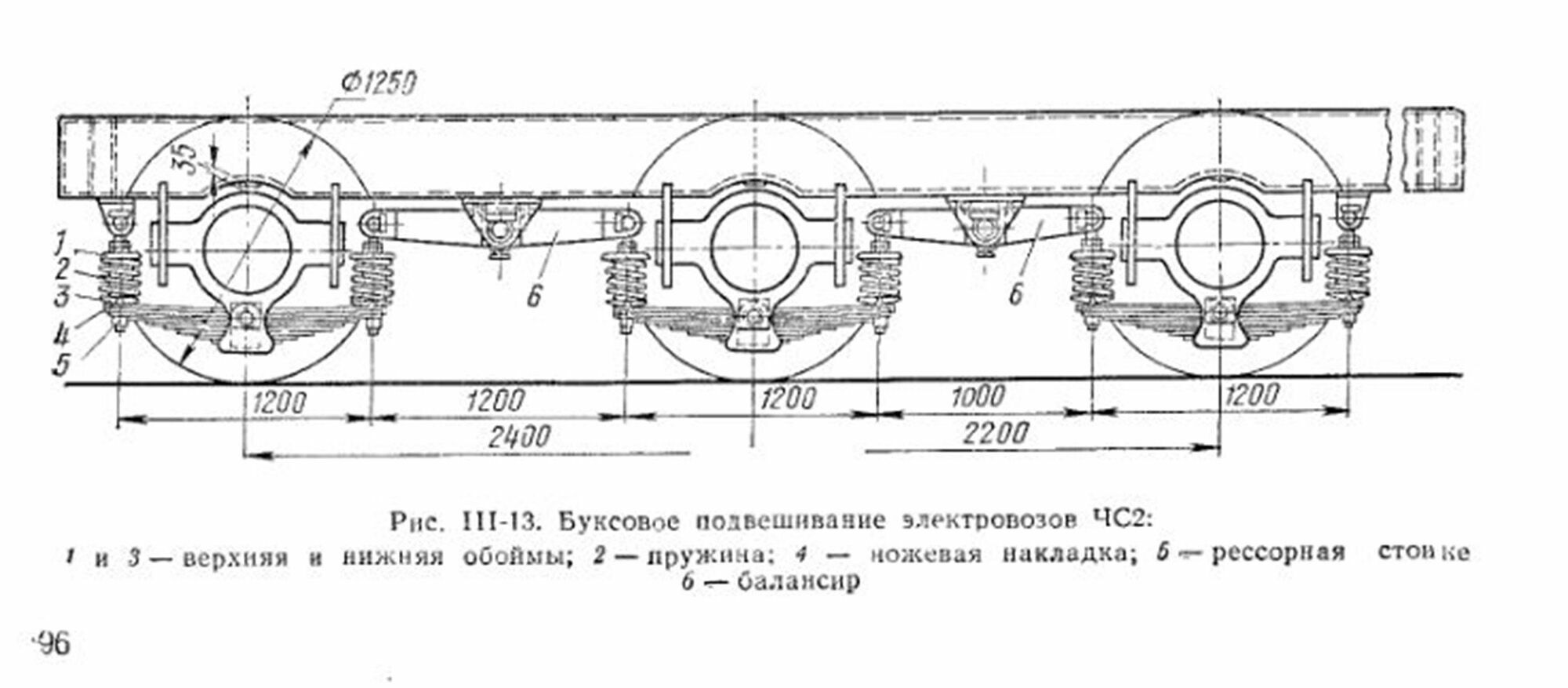
The ChS2 class electric locomotives use a support-frame suspension of traction electric motors, implemented according to a scheme similar to that of the ChS1 and ChS3. Torque from the engine to the axle gearbox was transmitted through elastic crossings and a shaft (Secheron system drive). The electric locomotive’s control system was a rheostat-contactor system, with three possible engine connections: serial, serial-parallel, and parallel.

The body also housed two motor-compressors and two motor-fans. Some electric locomotives (ChS2T factory type 53E) featured resistace braking equipment. The class also included two experimental electric locomotives, designated ChS2M (Nos. 565 and 566, factory type 53E3), with a design speed of 180 km/h.

Between 1962 and 1972, the plant built and delivered 942 ChS2 electric locomotives to the USSR.

In total, between 1962 and 1972, the Škoda Plant built and delivered to the USSR 942 ChS2 electric locomotives Nos. 003–944. These locomotives operated on many railways and in the 1970s–1990s were the most common passenger electric locomotives on the USSR railway network.

Operation

They operated on the Oktyabrskaya Railway (Leningrad-Passazhirsky-Moskovsky, Moscow-Oktyabrskaya, and Murmansk Depots), the Moscow Railway (Moscow-Passazhirskaya-Kurskaya, Moscow-Sortirovochnaya, Moscow-Kievskaya, Moscow-3, Imeni Ilyicha, Lobnya, Orel Depots), the Southern Railway (October Depot), the Kuibyshev Railway (Kuibyshev Depot), the Sverdlovsk Railway (Sverdlovsk-Passazhirsky Depot), the West Siberian Railway (Barabinsk Depot), the South Ural Railway (Petropavlovsk Depot), the Donets Railway (Sloviansk, Yasynuvata Depots), and the Prydnipro Railway (Dnipropetrovsk, Melitopol, Simferopol, Nikopol, and Kryvyi Rih Depots).

The operation of these locomotives on the Russian Railways network ended in the 21st century. However, on Ukrainian railways, these electric locomotives, having undergone major repairs and modernisation, continue to be used to this day.

On the main Leningrad-Moscow line of the Oktyabrskaya Railway, these locomotives were previously used with high-speed passenger trains, reaching speeds of up to 160 km/h. In 1963, individual trains on the Leningrad-Moscow route took 5 hours and 27 minutes. During test runs in 1965, ChS2 electric locomotives completed the same route in just 4 hours and 59 minutes.

The ChS2 023 electric locomotive displayed in the museum was built in 1962 (factory type 34E1, serial number 4377), and was sent from the plant to the Prydnipro Railway. In 1977, it was transferred to the West Siberian Railway.

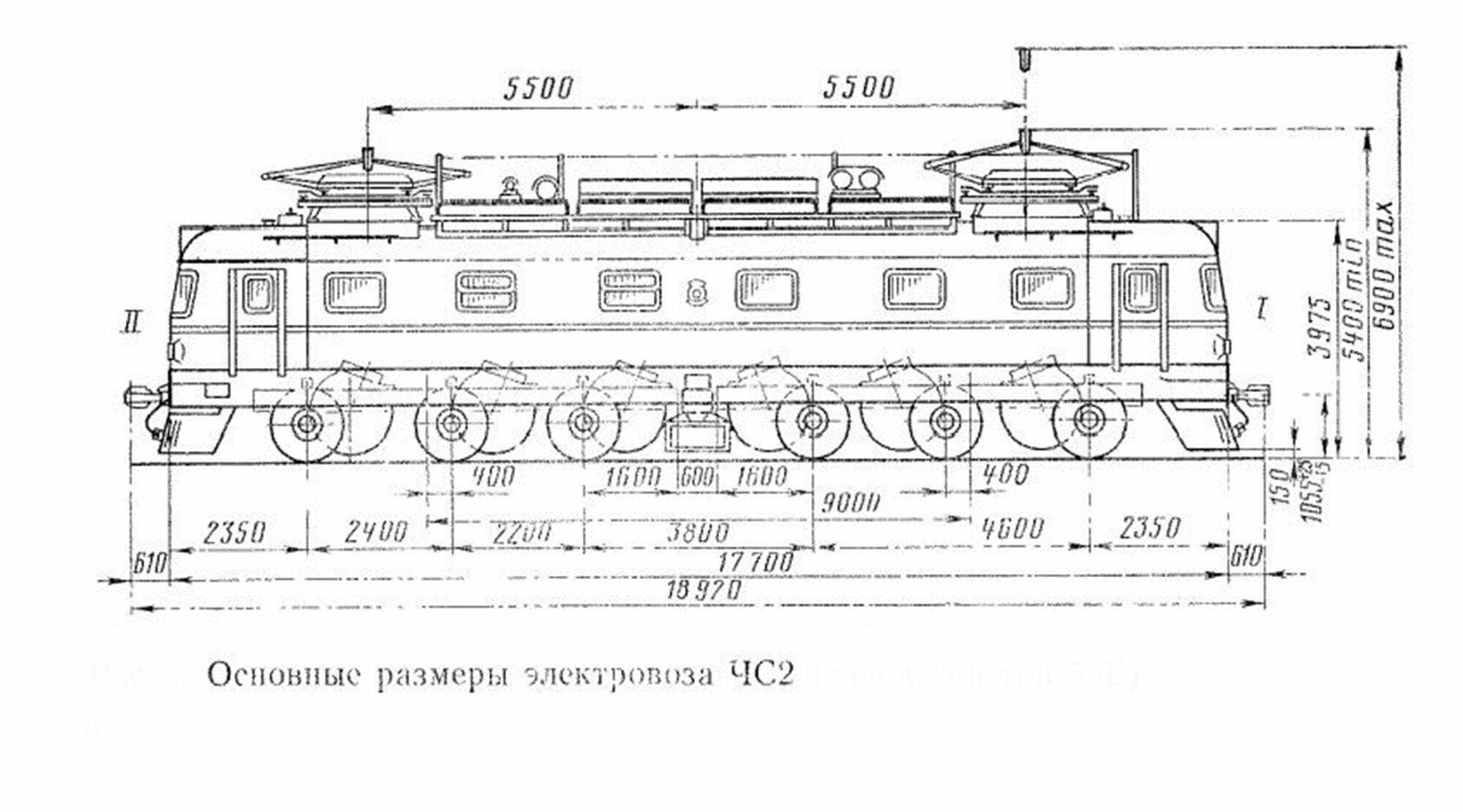
Parameters

Technical
specifications

Factory type
34Е2
Plant
Skoda, Czechoslovakia
Axial formula
30–30
Maximum speed, km/h
160
Wheel diameter, mm
1 250
Length between axles of automatic couplings, mm
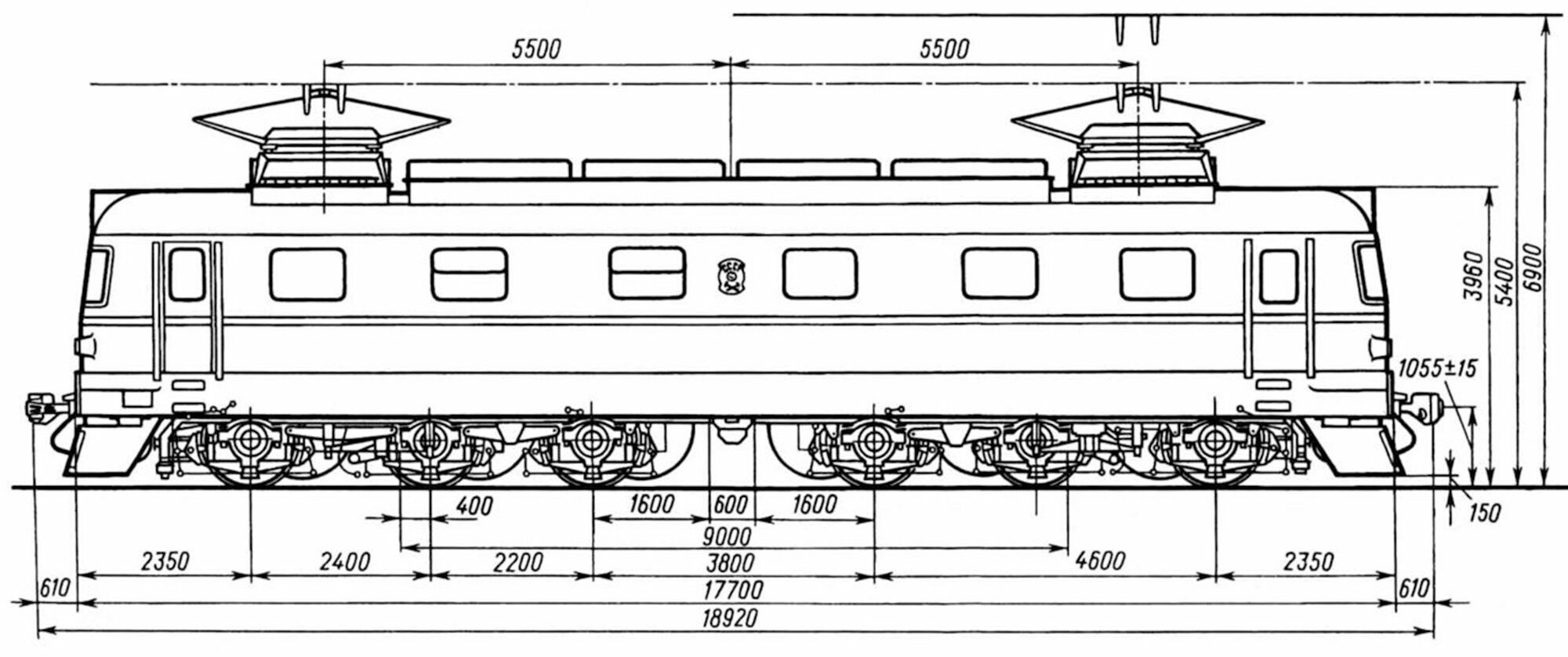
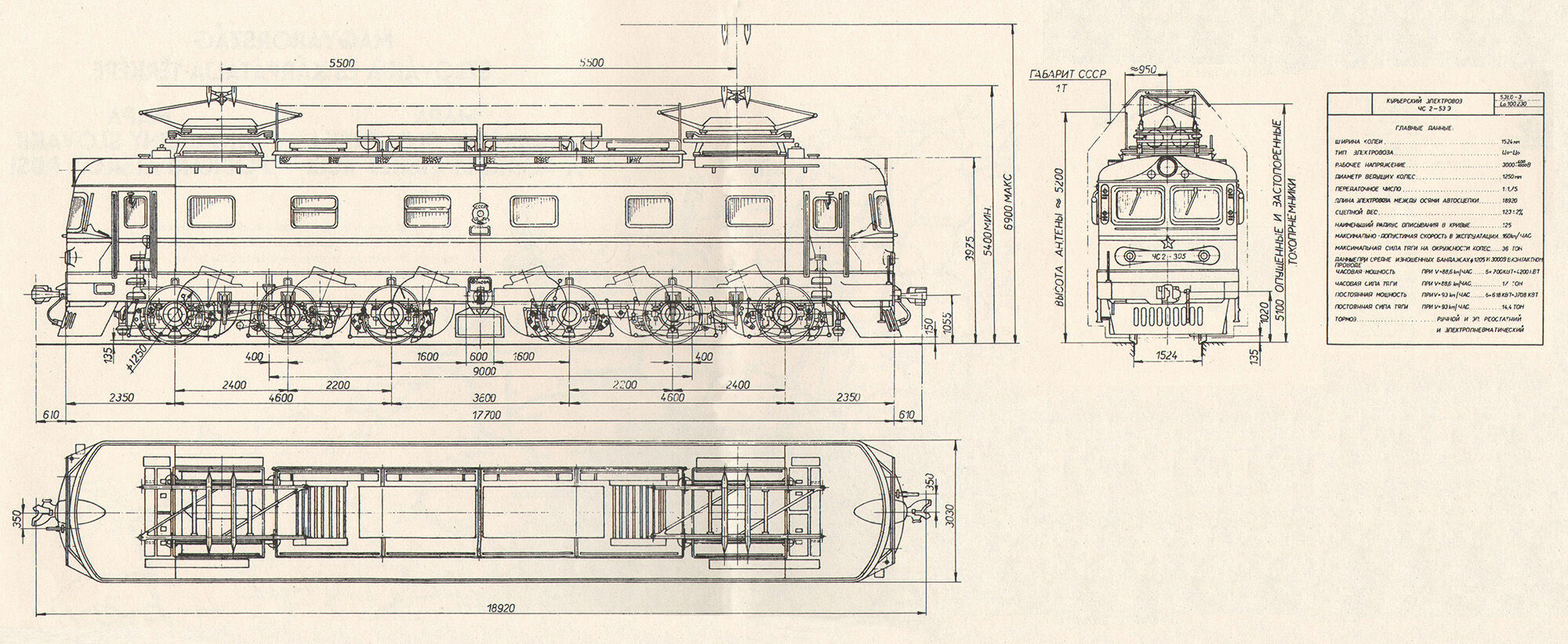
18,970
Height with pantograph lowered, mm
5,400
Width, mm
3,030
Minimum radius in curves (at a speed of 90 km/h), m
125
Power of hourly mode on the shaft of traction electric motors, kW
4,400
Continuous power on the shaft of traction electric motors, kW
3 708
Hourly mode thrust force, kgf
16,500
Continuous traction force, kgf
13,700
Clock mode speed, km/h
91.5
Continuous mode speed, km/h
96.9
Number of traction motors
6
Type of traction motors, T
АL-484е
Hourly power of traction motor, kW
700
Continuous power of traction motor, kW
618
Gear ratio of a gear reducer
44 : 77 = 1 : 1,75
Voltage in the contact wire, V
3000
Type of current, t
Constan

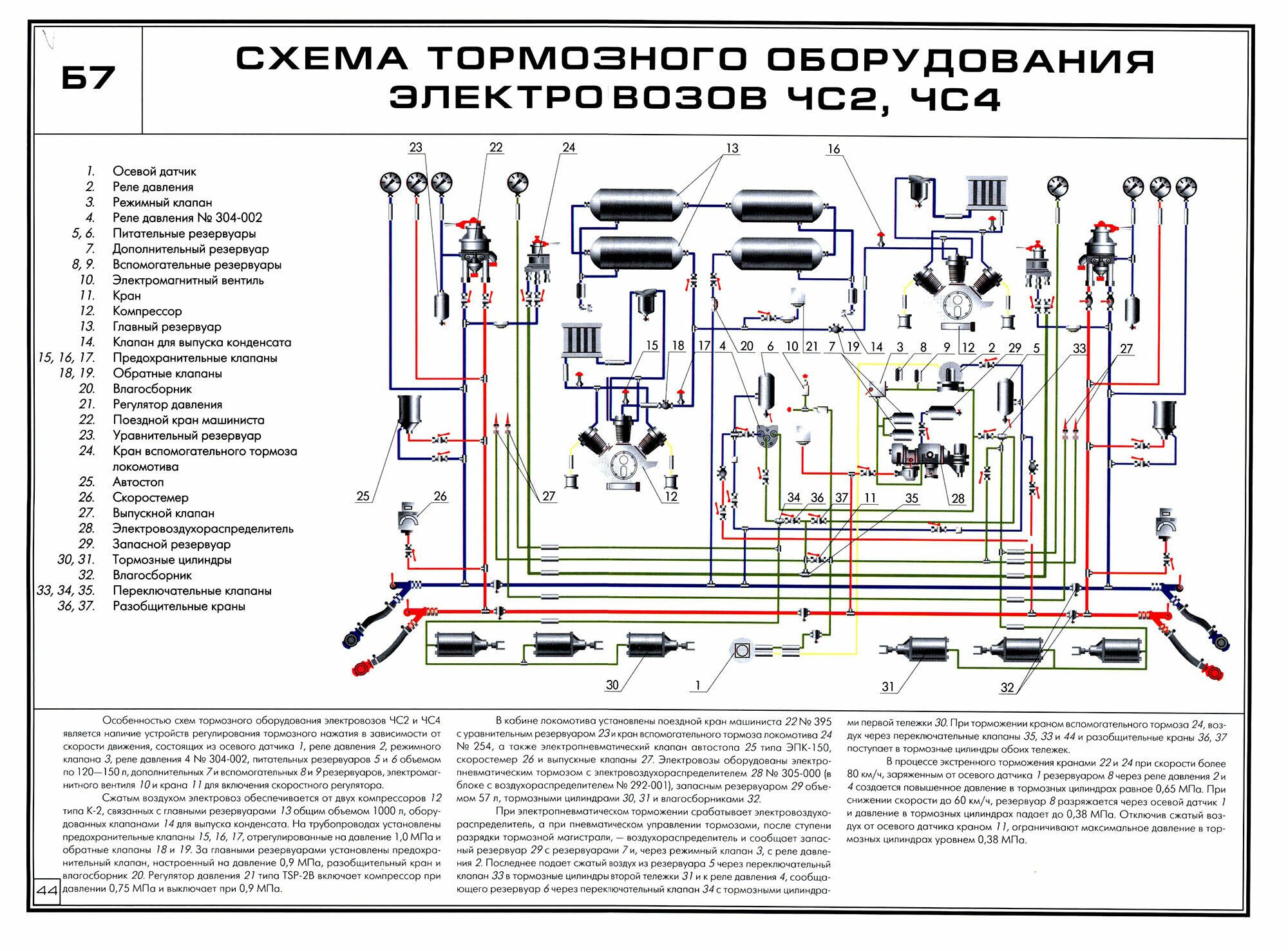
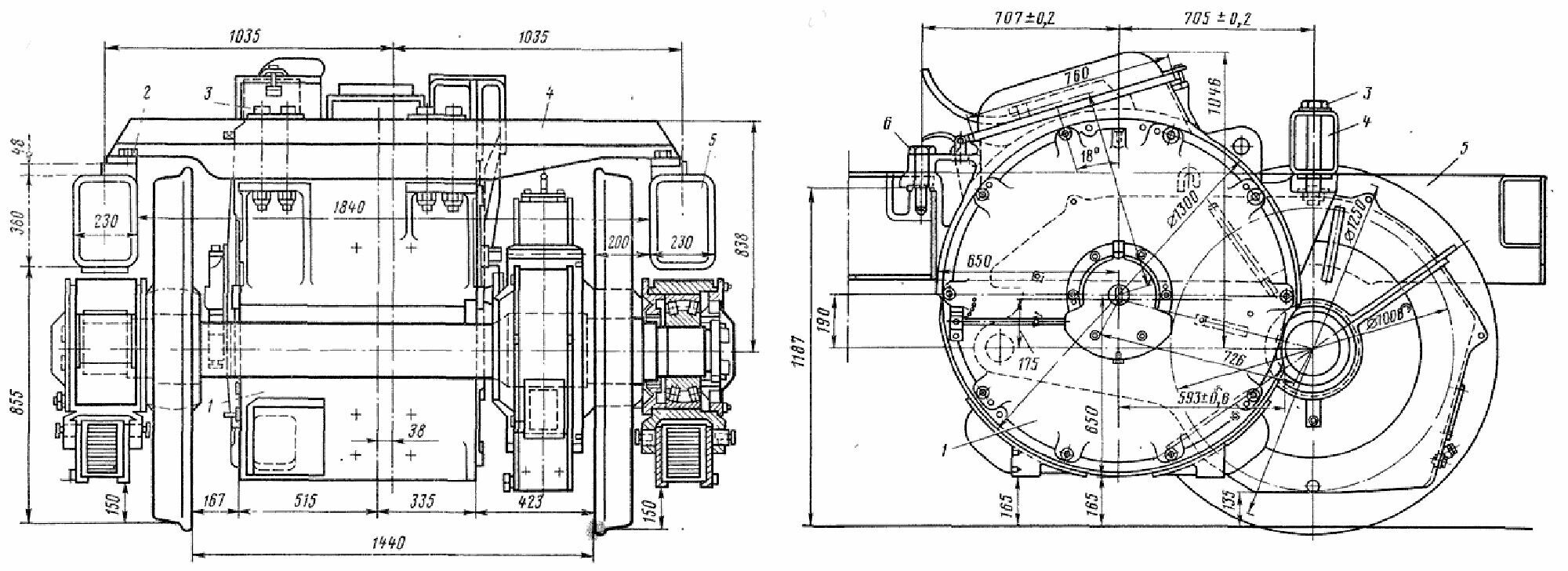
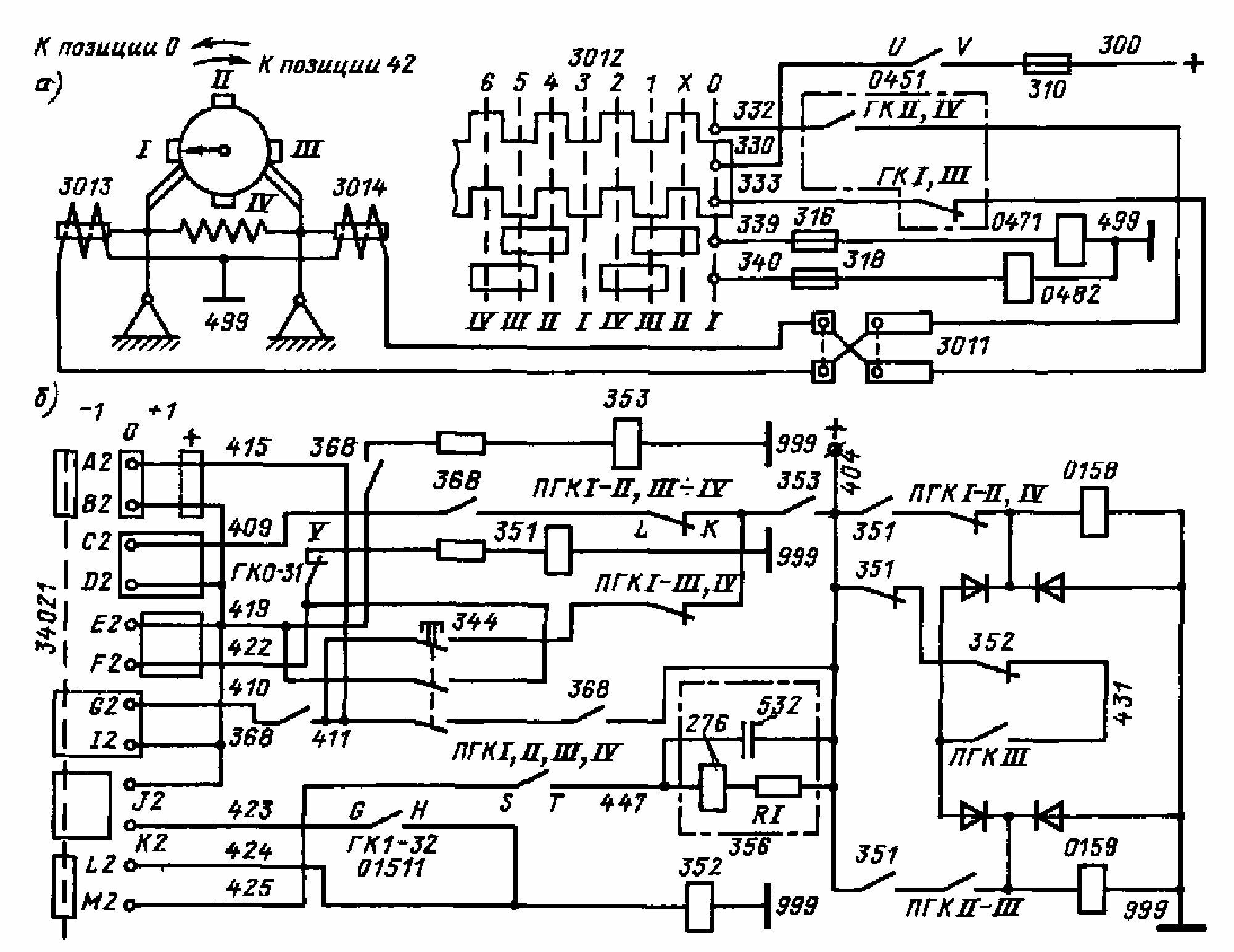
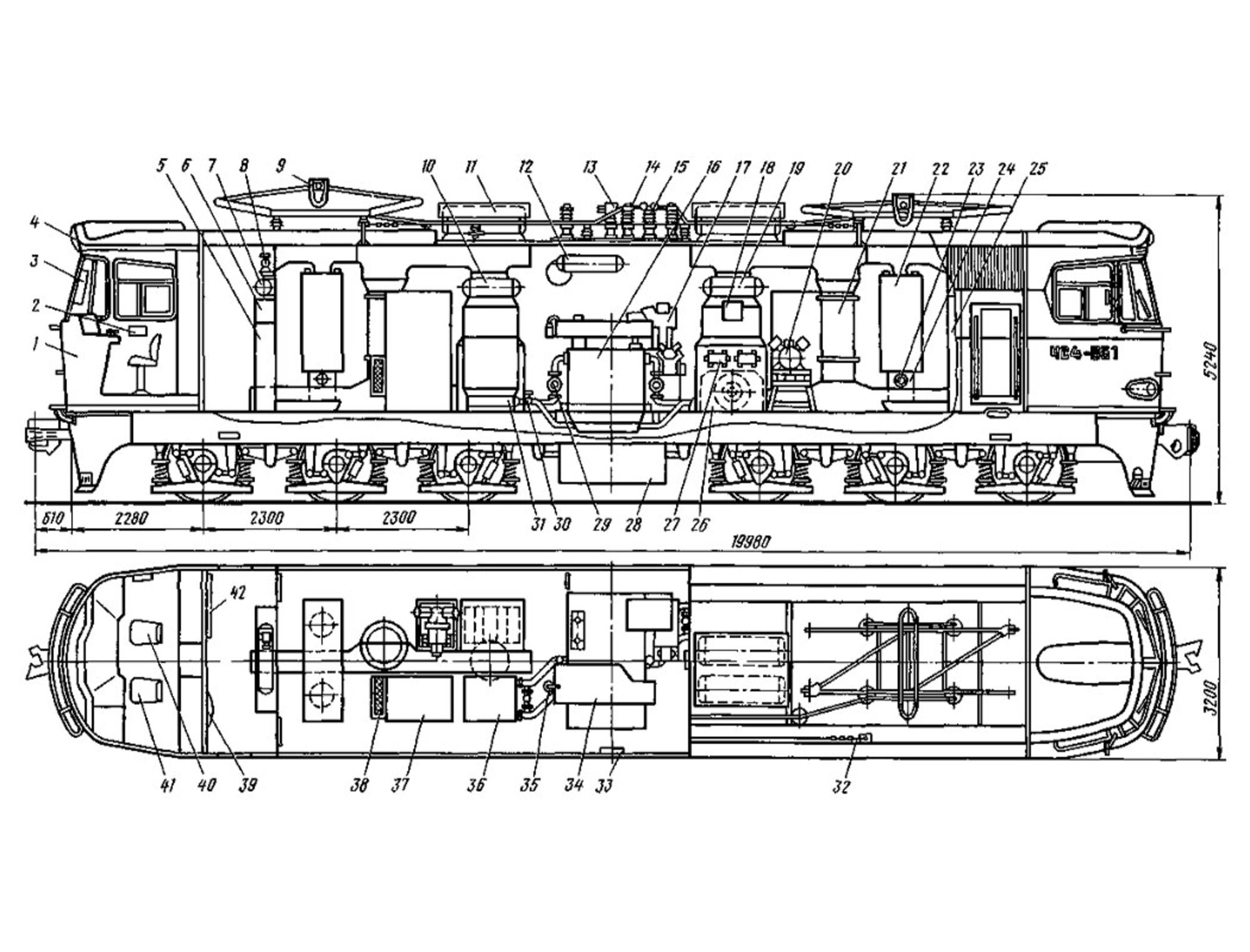
Drawings
and diagrams

History

Chronology

  1. 1958 The Škoda Plant built and delivered two experimental models of the ChS locomotive to the USSR.
  2. 1961 The Škoda Plant designed a new six-axle electric locomotive for the railways of the Soviet Union.
  3. 1962 Start of production of ChS2 electric locomotives.
  4. 1962–1972 Mass production of ChS2 electric locomotives.
  5. 1963 Individual trains hauled by the ChS2 electric locomotive took 5 hours and 27 minutes to travel between Leningrad and Moscow.
  6. 1965 During test runs, ChS2 class electric locomotives completed the journey from Leningrad to Moscow in 4 hours and 59 minutes.
  7. 1970–1990 The ChS2 electric locomotives were the most common passenger locomotives on the USSR railway network.
  8. 2001 ChS2 023 electric locomotive was delivered to the Russian Railway Museum in Saint Petersburg.